The ENVS Experience

Blake Slattengren's Student Site

  • Courses
    • ENVS 160
      • Synthesis Posts
      • All Posts
    • ENVS 220
      • Synthesis Posts
      • Lab Posts
      • All Posts
    • ENVS 330
      • Goal Posts
      • Normative Research Project
      • Research Proposals
      • All Posts
    • ENVS 499
      • All Posts
    • SOAN 110
      • All Posts
  • Projects
    • Unsettling Sustainability
    • Urban Green Spaces and Development in Portland
    • Second Hand Stores in Portland: An Analysis of Consumer Values on Yelp
  • Concentration
  • Capstone
    • Portfolio
    • Actor Network Map
    • Annotated Sources
  • All Posts
  • About
You are here: Home / Posts / ENVS 220 / 220 Synthesis Posts / The World Without Us Reflections

The World Without Us Reflections

October 13, 2015 By Blake Slattengren

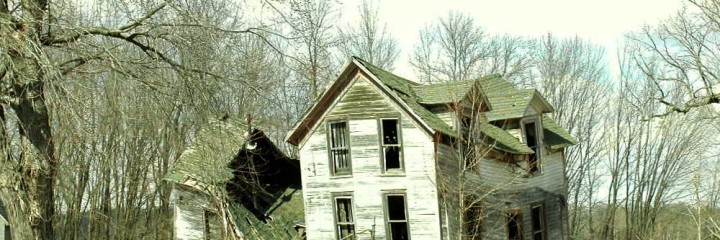
Skimming Alan Weisman’s The World Without Us, I found it it to be a fascinating yet problematic book. Its premise is incredibly intriguing; it asks, what would the world look like if humans suddenly disappeared? And Weisman’s answer? The world would, more or less, be better off without us. This is a depressing sounding conclusion, and it is interesting to see that this became as popular as it did. This book certainly plays to a tendency think of a dystopian future and aligns with Jim’s hypothesis that popular literature tends to see local situations as utopian and global issues as dystopian. This particular case also seems to appeal to the sense that we, as a human race, a merely a part of the circle of life and will one day disappear.

Why does this idea appeal to us though? I hypothesize that it is in some sense comforting to be humbled by our inevitable demise. Maybe it is because of a sense of justice that we die off like many of the species that we are responsible for the death of. But I think the most likely reason is that it positions ourselves as a part of a greater picture. It puts everything we have ever done as serving some unknown force of life that will keep on tumbling on long after we disappear. While it is dystopian and depressing, there is definitely a layer of hope lining our demise.

However, is this a dangerous way to think? Weisman suggest through this book that eventually, nature conquers all, an idea not uncommon in environmental literature (i.e. Jack London, Jon Krakauer). This puts nature on a pedestal as something ‘pure’ when, as explored in Richard White’s The Problem With Purity, nature is merely a cultural construction.

Additionally, although Weisman does mention ways in which we have changed the world, the inevitability of nature seems to completely discount the power of the Anthropocene. As a human race, we have a lot of power in this new epoch to change the world. When we leave this world, whether dead or for another world, we can leave the world and the human race in a better place. We have the power to change and better our environment, and it can be dangerous to think otherwise.

Share this:

  • Click to share on Facebook (Opens in new window)
  • Click to share on Twitter (Opens in new window)
  • Click to share on Google+ (Opens in new window)

Related

Filed Under: 220 Synthesis Posts Tagged With: Anthropocene, Nature, Purity, The World Without Us

About Me

I am an undergrad student at Lewis and Clark college majoring in Environmental Studies and minoring in Chemistry. You can read all about my studies and adventures here.

View My Blog Posts
Mt Rainer, WA
Seattle, WA
Portland, OR
Portland, OR
Mt Defiance, WA
Lookout Mt, WA
Mt Dickerman, WA
Seattle, WA
Portland, OR
Pendelton, OR
Canyonlands, UT
Delicate Arch, UT
Flower in Moab, UT
Parma, ID
Alpine Lakes Wilderness, WA
Seattle, WA

Post Categories

  • Posts (97)
    • Concentration (15)
    • ENVS 160 (13)
    • ENVS 220 (30)
      • 220 Synthesis Posts (19)
      • ENVS Lab (8)
      • PDX Project (6)
    • ENVS 330 (14)
      • Goal Posts (6)
      • Normative Research Project (2)
      • Research Proposals (3)
    • ENVS 400 (12)
    • ENVS 499 (6)
    • Other (12)
    • SOAN 110 (5)

Old Posts

  • December 2017 (3)
  • November 2017 (4)
  • October 2017 (5)
  • September 2017 (2)
  • January 2017 (3)
  • December 2016 (2)
  • October 2016 (1)
  • May 2016 (4)
  • April 2016 (6)
  • March 2016 (7)
  • February 2016 (6)
  • January 2016 (4)
  • December 2015 (5)
  • November 2015 (11)
  • October 2015 (14)
  • September 2015 (7)
  • April 2015 (5)
  • March 2015 (4)
  • February 2015 (4)

Tags

Agriculture AgTech Anthropocene anthropology Autonomous Technology Big Data brainstorming California Capstone Concentration Conducting Research Environment Across Boundaries Environmental Literature Environmental Theory ENVX Equity Food Framing Question GIS GMOs Interviews Kale Lab Report Lewis and Clark Midterm Reflections Nature PDX place Precision Farming Purity Questions Research Outline scale Startups statistics Sustainability Assessment Sustainability in Higher Education Symposium Technology Tech of the Future The World Without Us Urban Greenspaces urbanization western apache Wilderness

Digital Scholarship Multisite © 2018 · Lewis & Clark College · Log in