The ENVS Experience

Blake Slattengren's Student Site

  • Courses
    • ENVS 160
      • Synthesis Posts
      • All Posts
    • ENVS 220
      • Synthesis Posts
      • Lab Posts
      • All Posts
    • ENVS 330
      • Goal Posts
      • Normative Research Project
      • Research Proposals
      • All Posts
    • ENVS 499
      • All Posts
    • SOAN 110
      • All Posts
  • Projects
    • Unsettling Sustainability
    • Urban Green Spaces and Development in Portland
    • Second Hand Stores in Portland: An Analysis of Consumer Values on Yelp
  • Concentration
  • Capstone
    • Portfolio
    • Actor Network Map
    • Annotated Sources
  • All Posts
  • About
You are here: Home / Posts / ENVS 220 / PDX Project / Understand Urban Greenspace

Understand Urban Greenspace

November 16, 2015 By Audrey Stuart

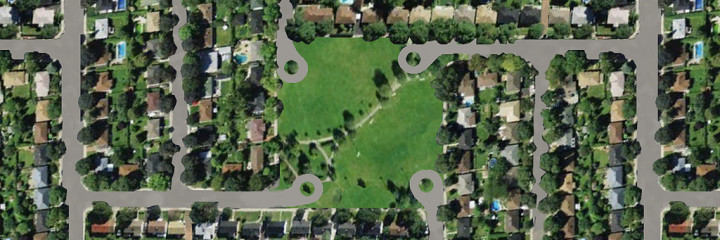
When researching urban green spaces it is important to keep an eye on the bigger picture and ask how this may benefit different models of cities. Portland is unique in its proximity and attachment to nature, so it is interesting to read studies on how green spaces are perceived in other cities.

A study from 2010 examines the effect that green spaces have on real estate property values in Los Angeles. This study was valuable both because the data was good and because many of their methods could be copied in our own project. For example the researchers used GIS spatial analysis tools to find a relation between property values and location of green spaces. This study looked at green spaces from an economic perspective but still linked it to issues of environmental justice. This is exactly what we are aiming to do in our own work. Adding green spaces to urban areas may reduce air pollution, build a sense of community, and reduce childhood obesity.

The topic of urban green spaces is extremely pertinent to Portland right now because of the housing crisis. The study done in Los Angeles also noted the fact that few people are willing to sacrifice affordable housing for the creation of more open green space. The conclusion they reached was that the most efficient solution was to increase green cover in densely populated areas. They propose that small-scale efforts of ‘community greening’ would increase green spaces, and therefore property values, without requiring any demolition. If this true, creating urban green spaces in depressed areas could bring both environmental and social benefits.

Share this:

  • Click to share on Facebook (Opens in new window)
  • Click to share on Twitter (Opens in new window)
  • Click to share on Google+ (Opens in new window)

Related

Filed Under: PDX Project

About Me

I am an undergrad student at Lewis and Clark college majoring in Environmental Studies and minoring in Chemistry. You can read all about my studies and adventures here.

View My Blog Posts
Mt Rainer, WA
Seattle, WA
Portland, OR
Portland, OR
Mt Defiance, WA
Lookout Mt, WA
Mt Dickerman, WA
Seattle, WA
Portland, OR
Pendelton, OR
Canyonlands, UT
Delicate Arch, UT
Flower in Moab, UT
Parma, ID
Alpine Lakes Wilderness, WA
Seattle, WA

Post Categories

  • Posts (97)
    • Concentration (15)
    • ENVS 160 (13)
    • ENVS 220 (30)
      • 220 Synthesis Posts (19)
      • ENVS Lab (8)
      • PDX Project (6)
    • ENVS 330 (14)
      • Goal Posts (6)
      • Normative Research Project (2)
      • Research Proposals (3)
    • ENVS 400 (12)
    • ENVS 499 (6)
    • Other (12)
    • SOAN 110 (5)

Old Posts

  • December 2017 (3)
  • November 2017 (4)
  • October 2017 (5)
  • September 2017 (2)
  • January 2017 (3)
  • December 2016 (2)
  • October 2016 (1)
  • May 2016 (4)
  • April 2016 (6)
  • March 2016 (7)
  • February 2016 (6)
  • January 2016 (4)
  • December 2015 (5)
  • November 2015 (11)
  • October 2015 (14)
  • September 2015 (7)
  • April 2015 (5)
  • March 2015 (4)
  • February 2015 (4)

Tags

Agriculture AgTech Anthropocene anthropology Autonomous Technology Big Data brainstorming California Capstone Concentration Conducting Research Environment Across Boundaries Environmental Literature Environmental Theory ENVX Equity Food Framing Question GIS GMOs Interviews Kale Lab Report Lewis and Clark Midterm Reflections Nature PDX place Precision Farming Purity Questions Research Outline scale Startups statistics Sustainability Assessment Sustainability in Higher Education Symposium Technology Tech of the Future The World Without Us Urban Greenspaces urbanization western apache Wilderness

Digital Scholarship Multisite © 2018 · Lewis & Clark College · Log in