
Background Framing: How effective are place-based education techniques in schools? John Dewey (1902), widely known as the father of progressive education, argues that many times in education, “facts are torn away from their original place in experience and rearranged with reference to some general principle.” This is the accepted form of schooling currently, as seen in […]
ENVS 330 Research Proposals
Here are three research proposals as a final outcome for ENVS 330.
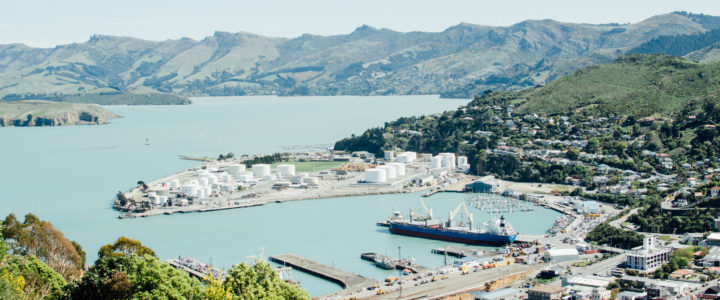
Utopian and Dystopian Senses of Place
Background Framing: To what extent can a shared sense of place help build a resilient community that can withstand disaster? In the face of climate change and a world composed of increasing natural disasters, building resilient communities with strong networks of people and resources could be the difference between a community that thrives and one that […]

Social Capital in Disaster-Affected Areas
Background Framing Question: To what extent can social capital create concrete connections that could be utilized in a disaster? Social capital, or the resources available to people through their social networks, is argued to be “the strongest and most robust predictor of population recovery after catastrophe” (Aldrige 2011). Social capital, especially when organized with a community […]