• Skip to content

Main navigation

  • About
  • Thesis
    • Environmental Studies
    • Economics
  • Projects
    • Ross Island Land Use
    • Portland’s UGB
    • The City Shape of Portland’s Tree Canopy
    • Concentration
  • Courses
    • Situating Environmental Problems & Approaches
    • Global Environmental History
    • First- and Second-Year ENVS Scholarship
  • Posts
  • Contact

Designing Environment

The Stories and Scholarship of Aaron Fellows

“TED Talk”: Urban Design

February 1, 2015 By Aaron Fellows

“TED Talk”: Urban Design

On 2/2/2015, I gave a very brief (3 minute) talk on Urban Design, my professional interest, to the ENVS 330 course. Here is a rough transcript:

We now live in a world where more people live in cities than do not. This happened at the end of 2008, when the UN announced that, for the first time ever, 50% of the world’s population was now living in cities. This might not seem so remarkable to you, though, because we live in a country where eighty-one percent (and growing) of the population lives in a metropolitan urban environment. Throughout most of the industrialized world, the statistic is similar.

Worldwide Urbanization Rates

In this climate, it is the role of Urban Designers to approach the issues that pop up when so many people are concentrated in a small area. These issues run the gamut from citywide emissions standards to problems of congestion, and can include such ambitious projects as urban albedo enhancement— using a city’s reflectivity to combat global warming.
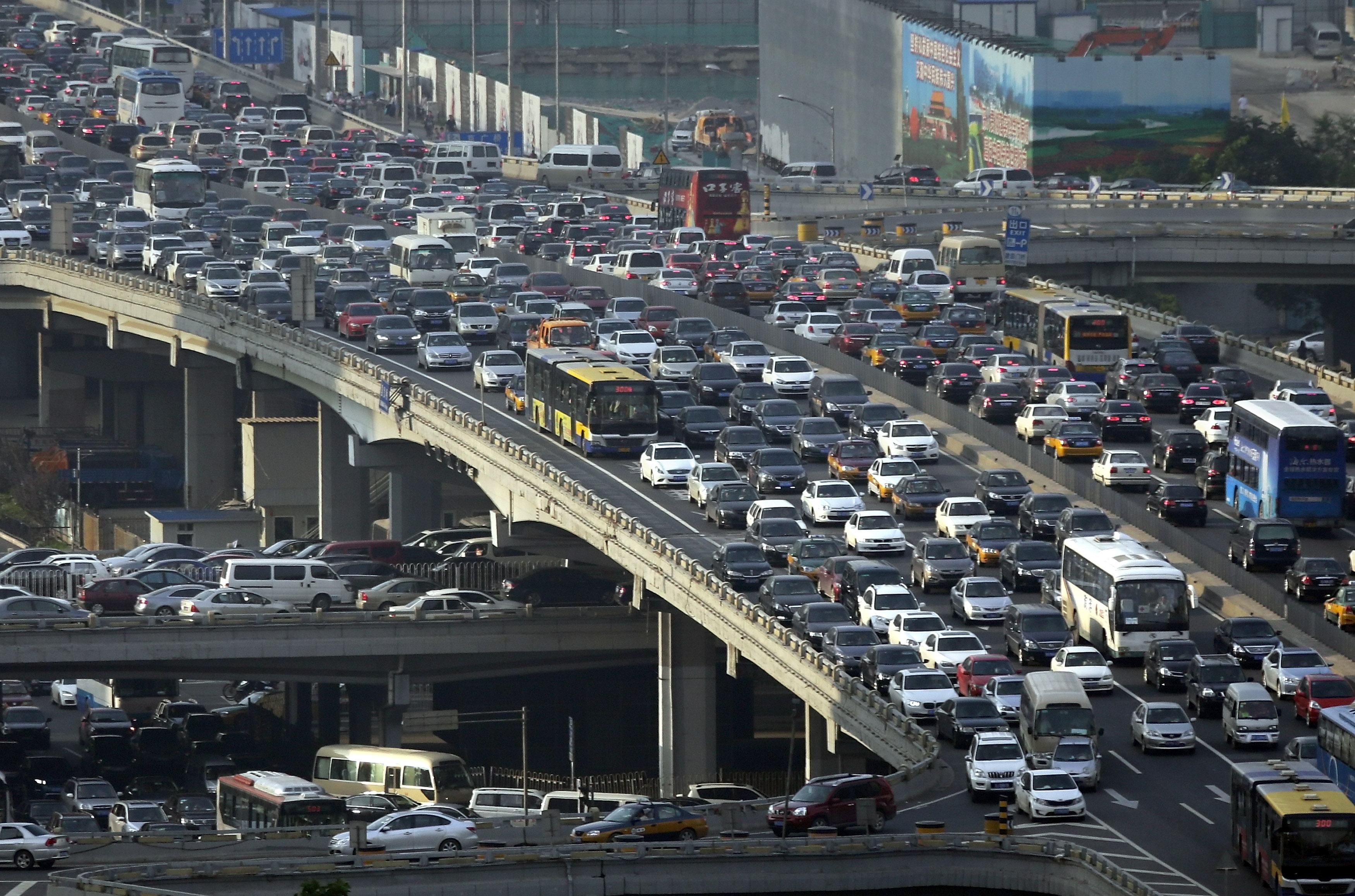
Congestion in Industrial Cities

On the other hand, in countries like Nigeria, closer to 45% of the population lives in cities— but this number has grown one and a half times in the last twenty-five years. Lagos, the largest city in Nigeria, is the seventh fastest growing city in the world. Cities such as Lagos have boomed with regard to population and industry, but have not been so fast to develop infrastructure such as utilities and public health systems. Many residents of Lagos live in shantytowns on the edge of the city, with no access to electricity, clean water, or waste disposal. Makoko, a slum of over 100,000 residents, sits on a lagoon, with houses built on stilts above the water. Reputedly, it’s one of the liveliest neighborhoods of the city. Most recently, Lagos made headlines when it was unable to control the spread of the Ebola virus, resulting in infections in fifteen countries.
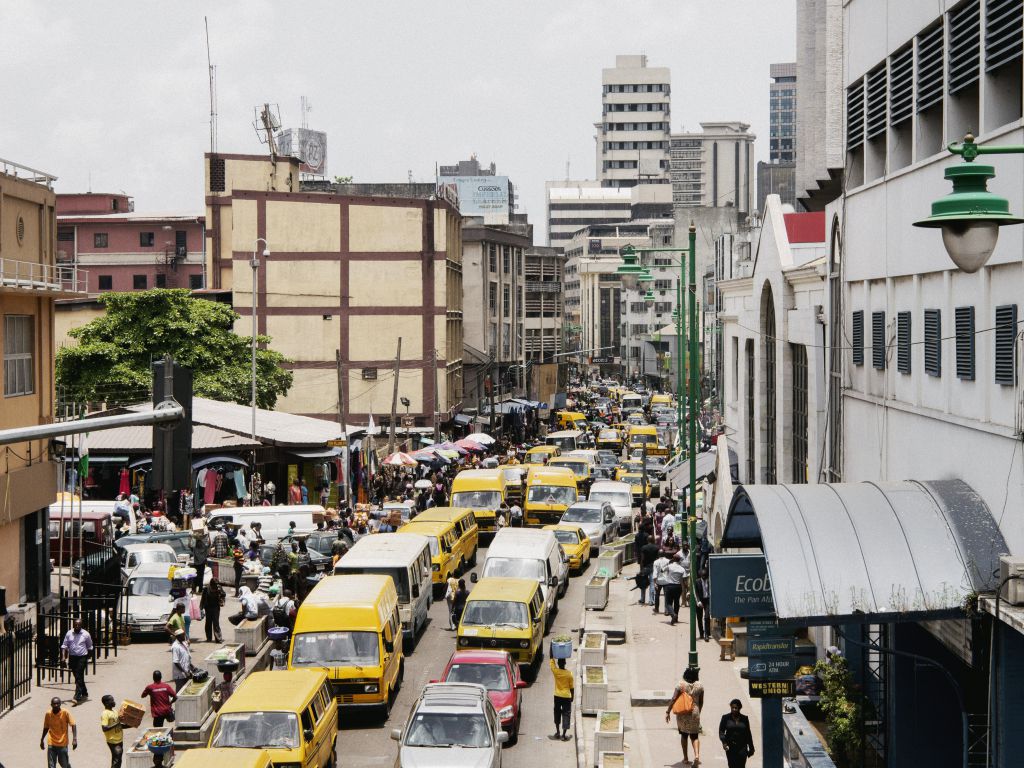
Lagos, Nigeria
Lagos, Nigeria

So it should be clear that the task of Urban Design is fairly different in industrialized cities which have had a long time to get to their size than it does in younger, faster-growing cities. There is a balancing act involved in a city’s development— the growth of business, industry, and population should coincide with the growth of infrastructure and public services. In cities that have grown over a long period of time, this has tended to happen as a matter of course, and the problems that Urban Design addresses are more related to the sheer size and concentration of the city. In “boomer” cities, however, addressing the need for this balancing act is a real concern.
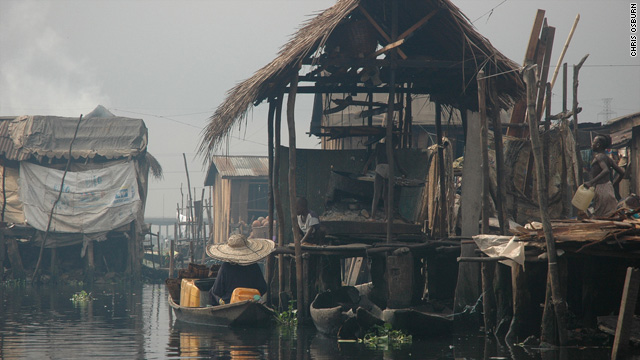
Makoko, a slum on Lagos Lagoon

I should stress that the reason people come to cities is typically because cities generate wealth and prosperity— the world over, people who live in cities enjoy a higher standard of living than those who do not. Urbanization is not itself a problem, but it creates a unique set of problems along with a unique set of benefits. The function of Urban Design is, by managing the space that so many of us share, to mitigate those problems and help realize the benefits.


Filed Under: ENVS 330, Posts

About Me

I am a student of Environmental Studies and Economics at Lewis & Clark College, with a background in design. I am interested in cities as systems and the role of urban amenities in their development. In particular, my thesis research considers the multifaceted role of the urban forest in shaping cities. I am extremely enthusiastic about data and the perspectives contributed by different ways to analyze it.

Aaron Fellows: View My Blog Posts

Post Categories

  • Concentration (3)
  • Econ Thesis (4)
  • ENVS 330 (5)
  • GIS (5)
  • HIST 261 (5)
  • Posts (27)
  • Thesis (13)

Recent Posts

  • Making Ends Meet May 4, 2016
  • The Value of the Scientific Method February 19, 2016
  • The Value of the Scientific Method February 19, 2016
  • A New Hourglass February 10, 2016
  • Constructing a Portland Tree Narrative January 27, 2016

Reader Interactions

Comments

  1. Libby Bissen says

    February 2, 2015 at 3:12 pm

    You were so confident and clearly passionate about your topic it was very impressive, clearly very well prepared and practiced. Also, super interesting topic that I had never really heard about, good luck in your future explorations in this field.

  2. Peter Nocka says

    February 2, 2015 at 3:12 pm

    Good use of a case study to give more specific urbanization issues some good context. Great job presenting as well. Look forward to talking more with you about this topic throughout the semester

  3. Samson Harman says

    February 2, 2015 at 3:13 pm

    Great introduction with the map of urban centers and overall use of examples! You have a very natural presence and I’ve always envied your incredible technological knowledge. As I study urban design, I’ll be sure to send relevant articles your way.

  4. Ian Christie says

    February 2, 2015 at 3:13 pm

    Good way to tie in other peoples concentrations, seems like a promising field for further study.

  5. Max Haworth says

    February 2, 2015 at 3:13 pm

    Very interesting subject of looking at cities outside of post-industrialized countries. Definitely a subject most people do not look at when analyzing cities.

  6. Jhana Taylor Valentine says

    February 2, 2015 at 3:13 pm

    Nice! Very concise and informative – I also liked you’re pictures.

  7. Sara Goldstein says

    February 2, 2015 at 3:13 pm

    Very nice presentation, you were very well prepared. I liked how you framed the importance of urban design. I’ll definitely send anything I read that is interesting your way.

  8. Jacob Weiss says

    February 2, 2015 at 3:13 pm

    Urban design is a field that I also find very interesting. Are you more interested in urban design for developed cities or rapidly developing cities like Lagos?

    • Aaron Fellows says

      February 2, 2015 at 4:07 pm

      Still figuring that out! Urban Design ties together several of my interests, but the field itself is relatively new to me. I’m hoping to figure out more about that in this class. Of course, urban design in developed cities is definitely much more accessible to me here in the US, so that’s a factor.

  9. Susan Heinselman says

    February 2, 2015 at 3:13 pm

    I’m curious what comparisons you can draw between urbanization in western countries which have been headed this way for a long time, and developing countries that are just now rapidly urbanizing. This is a very interesting line of study, and I’m sure you’ll find compelling research on both sides of the picture. Urban design is very much an area that will need more attention moving forward. I’ll be sure to forward you anything I find!

  10. Michaela Koke says

    February 2, 2015 at 3:13 pm

    You are very knowledgeable about your area of study and you speak very well. This is a very important area to be studying and if I see any pertinant articles, I’ll send them your way!

  11. Marielle Bossio says

    February 2, 2015 at 3:13 pm

    Thanks for sharing your interest with us! You gave a great overview yet in a situated context, and you seemed comfortable and knowledgeable. I look forward to hearing more about this from you in the future. Well said!

  12. AnaCapri Mauro says

    February 2, 2015 at 3:14 pm

    Your talk was extremely well thought out and intriguing! I had not heard your point about harnessing the reflectivity of cities to combat climate change before. Nicely done!

  13. Marlon Jiménez Oviedo says

    February 2, 2015 at 3:14 pm

    Nice images! I learned a lot about the role of urban designing, which I knew very little about. I am interested in how developing countries need different strategies or practices when it comes to urban planning, and if so why that is the case. Is it a historical reason?

    • Aaron Fellows says

      February 2, 2015 at 4:55 pm

      From what I’ve seen, what sets apart the problems of rapidly industrializing cities in developing countries from those of post-industrial cities is that, because the cities are growing so rapidly with regard to population and industry, there is not enough infrastructure to keep up, or policy to support it. Simply put, rapidly industrializing cities have problems that post-industrial cities don’t.

      The catch here is that, oftentimes and eventually, rapidly industrializing cities end up with many of the same problems that post-industrial cities experience: congestion, air quality, emissions standards, organization of public space and resources. So it’s not that these are not perfectly valid concerns to have in developing countries as well, its just that there is a whole separate set of problems that goes along with them.

  14. Sadie Smith says

    February 2, 2015 at 3:14 pm

    Aaron you’re an awesome speaker! I think that this topic is super duper interesting. Would you suggest the city movement as being detrimental to a successful society?

    • Aaron Fellows says

      February 2, 2015 at 4:29 pm

      Thanks for your praise! I 100% don’t mean to suggest that Urbanization is a detriment to society. As I said (in a rush, at the end), people move to cities because it increases their standard of living, increases their income, improves their access to resources– in short, improves their lives. The challenge that Urban Design faces is how to allow people to realize these benefits by mitigating the costs that come along with them.

  15. Ellen Howard says

    February 2, 2015 at 3:14 pm

    You had a really great stage presence! Good job maintaining eye contact, It really made your points salient. Urban design, sounds like you’ll have some things in common with Drew and Marielle?

  16. Esa Grigsby says

    February 2, 2015 at 3:14 pm

    Interesting topic and I liked how you brought in different disciplines. Also, just regarding your presentation, it was very smooth, well-thought out, and engaging. You could probably find common ground with Drew!

  17. Sofia Koutzoukis says

    February 2, 2015 at 3:14 pm

    As usual, extremely well prepared, researched, and executed presentation, Aaron! I like how you noted the other talks that intersect with your area of interest. Urban planning is such a wide and effective platform to bring about a wide range of solutions. Best of luck!

  18. Keith Morency says

    February 2, 2015 at 3:14 pm

    Obviously very well practiced. Your delivery was composed and clear, as always, and you explained your interests very effectively.

  19. Julia Revier says

    February 2, 2015 at 3:15 pm

    I really enjoyed your talk! I like how you situated you broad interest in urban planning in Lagos so you were able to go more in depth. You were very organized and your talk was well planned, good job!

  20. Rachel Tanzer says

    February 2, 2015 at 3:15 pm

    I was really interested in your thoughts on Urban Design–I think it is central to rapid urbanization, and I agree that it is especially relevant and challenging in ‘boomer’ cities. I would love to talk further about this sometime!

  21. Drew Williamson says

    February 2, 2015 at 3:16 pm

    I think you touched on many important aspects, it helps that this is very similar to my areas of interest! Are you interested in any one aspect of cities and urban design as a factor of livability, or are you more generalized? What do you think are the most important issues to address, both here in the US, where as you said, urbanism is more normal, or in places where rapid urbanization is occurring abroad? We should talk more! Thanks for your presentation!

    • Aaron Fellows says

      February 2, 2015 at 5:02 pm

      Thanks for your comments! Urban Design ties together several of my interests– public policy, spatial/architectural design, and issues of transportation, to name a few– but the field itself is still relatively new to me. So I’m still exploring to figure out how I want to use it. In this regard, I’m looking forward to hearing what you have to say about the topic as the semester progresses. Let’s absolutely talk as we move forward!

Digital Scholarship Multisite © 2018 · Lewis & Clark College · Log in

✖
  • Libby Bissen

    You were so confident and clearly passionate about your topic it was very impressive, clearly very well prepared and practiced. Also, super interesting topic that I had never really heard about, good luck in your future explorations in this field.

  • Peter Nocka

    Good use of a case study to give more specific urbanization issues some good context. Great job presenting as well. Look forward to talking more with you about this topic throughout the semester

  • Samson Harman

    Great introduction with the map of urban centers and overall use of examples! You have a very natural presence and I’ve always envied your incredible technological knowledge. As I study urban design, I’ll be sure to send relevant articles your way.

  • Ian Christie

    Good way to tie in other peoples concentrations, seems like a promising field for further study.

  • Max Haworth

    Very interesting subject of looking at cities outside of post-industrialized countries. Definitely a subject most people do not look at when analyzing cities.

  • Jhana Taylor Valentine

    Nice! Very concise and informative – I also liked you’re pictures.

  • Sara Goldstein

    Very nice presentation, you were very well prepared. I liked how you framed the importance of urban design. I’ll definitely send anything I read that is interesting your way.

  • Jacob Weiss

    Urban design is a field that I also find very interesting. Are you more interested in urban design for developed cities or rapidly developing cities like Lagos?

    • Aaron Fellows

      Still figuring that out! Urban Design ties together several of my interests, but the field itself is relatively new to me. I’m hoping to figure out more about that in this class. Of course, urban design in developed cities is definitely much more accessible to me here in the US, so that’s a factor.

  • Susan Heinselman

    I’m curious what comparisons you can draw between urbanization in western countries which have been headed this way for a long time, and developing countries that are just now rapidly urbanizing. This is a very interesting line of study, and I’m sure you’ll find compelling research on both sides of the picture. Urban design is very much an area that will need more attention moving forward. I’ll be sure to forward you anything I find!

  • Michaela Koke

    You are very knowledgeable about your area of study and you speak very well. This is a very important area to be studying and if I see any pertinant articles, I’ll send them your way!

  • Marielle Bossio

    Thanks for sharing your interest with us! You gave a great overview yet in a situated context, and you seemed comfortable and knowledgeable. I look forward to hearing more about this from you in the future. Well said!

  • AnaCapri Mauro

    Your talk was extremely well thought out and intriguing! I had not heard your point about harnessing the reflectivity of cities to combat climate change before. Nicely done!

  • Marlon Jiménez Oviedo

    Nice images! I learned a lot about the role of urban designing, which I knew very little about. I am interested in how developing countries need different strategies or practices when it comes to urban planning, and if so why that is the case. Is it a historical reason?

    • Aaron Fellows

      From what I’ve seen, what sets apart the problems of rapidly industrializing cities in developing countries from those of post-industrial cities is that, because the cities are growing so rapidly with regard to population and industry, there is not enough infrastructure to keep up, or policy to support it. Simply put, rapidly industrializing cities have problems that post-industrial cities don’t.

      The catch here is that, oftentimes and eventually, rapidly industrializing cities end up with many of the same problems that post-industrial cities experience: congestion, air quality, emissions standards, organization of public space and resources. So it’s not that these are not perfectly valid concerns to have in developing countries as well, its just that there is a whole separate set of problems that goes along with them.

  • Sadie Smith

    Aaron you’re an awesome speaker! I think that this topic is super duper interesting. Would you suggest the city movement as being detrimental to a successful society?

    • Aaron Fellows

      Thanks for your praise! I 100% don’t mean to suggest that Urbanization is a detriment to society. As I said (in a rush, at the end), people move to cities because it increases their standard of living, increases their income, improves their access to resources– in short, improves their lives. The challenge that Urban Design faces is how to allow people to realize these benefits by mitigating the costs that come along with them.

  • Ellen Howard

    You had a really great stage presence! Good job maintaining eye contact, It really made your points salient. Urban design, sounds like you’ll have some things in common with Drew and Marielle?

  • Esa Grigsby

    Interesting topic and I liked how you brought in different disciplines. Also, just regarding your presentation, it was very smooth, well-thought out, and engaging. You could probably find common ground with Drew!

  • Sofia Koutzoukis

    As usual, extremely well prepared, researched, and executed presentation, Aaron! I like how you noted the other talks that intersect with your area of interest. Urban planning is such a wide and effective platform to bring about a wide range of solutions. Best of luck!

  • Keith Morency

    Obviously very well practiced. Your delivery was composed and clear, as always, and you explained your interests very effectively.

  • Julia Revier

    I really enjoyed your talk! I like how you situated you broad interest in urban planning in Lagos so you were able to go more in depth. You were very organized and your talk was well planned, good job!

  • Rachel Tanzer

    I was really interested in your thoughts on Urban Design–I think it is central to rapid urbanization, and I agree that it is especially relevant and challenging in ‘boomer’ cities. I would love to talk further about this sometime!

  • Drew Williamson

    I think you touched on many important aspects, it helps that this is very similar to my areas of interest! Are you interested in any one aspect of cities and urban design as a factor of livability, or are you more generalized? What do you think are the most important issues to address, both here in the US, where as you said, urbanism is more normal, or in places where rapid urbanization is occurring abroad? We should talk more! Thanks for your presentation!

    • Aaron Fellows

      Thanks for your comments! Urban Design ties together several of my interests– public policy, spatial/architectural design, and issues of transportation, to name a few– but the field itself is still relatively new to me. So I’m still exploring to figure out how I want to use it. In this regard, I’m looking forward to hearing what you have to say about the topic as the semester progresses. Let’s absolutely talk as we move forward!