• Skip to content

Main navigation

  • About
  • Thesis
    • Environmental Studies
    • Economics
  • Projects
    • Ross Island Land Use
    • Portland’s UGB
    • The City Shape of Portland’s Tree Canopy
    • Concentration
  • Courses
    • Situating Environmental Problems & Approaches
    • Global Environmental History
    • First- and Second-Year ENVS Scholarship
  • Posts
  • Contact

Designing Environment

The Stories and Scholarship of Aaron Fellows

Posts

April 9, 2015 By Aaron Fellows

Personal Urban Growth

While Economics and Environmental Studies have tons of crossover and relate very well for me as a program of study, it was hard for me to define a definite area of interest for a long time. I knew that I had an interest in Public Policy— this was the reason I declared an Economics major to begin with. What clicked for me was when I realized that, to pursue a career in Public Policy, the city to be in was Washington, DC, where I spent my teenage years growing up. Once I accepted this, all sorts of associations came rushing in.

Moving from a rural-ish suburb of Boston to the big city of Washington, DC at the age of thirteen had come as a shock to me, to be sure, but I quickly grew to love it. In particular, I loved to observe the intricacy of how all the moving parts of the city interacted— the transportation networks where people took trains, buses, and cars from their homes to their workplaces, the housing developments that grew up around them, and the public works developed to suit their needs. And guiding it all was the ever-present, nearly-palpable political process that pervades our nation’s capital, nudging and assisting in the lives of the citizens that live there.

At this time in my life, I was being trained as a designer, and the urban scenes I saw around me inspired me in the painting and sculpture studios. When I returned to thinking about the city as an Economics and Environmental Studies student, however, I began to see how my notions of the city as a system have evolved since then. I am still a designer, but what I want to design now are approaches to the problems that arise when people and industry are concentrated in such a small space— problems such as congestion, pollution, and justice (which are definitely different degrees of difficult in addressing). For now, though, my near-term goal is to better understand how Urban Design and Planning functions as a discipline. I recently confirmed a summer internship in City and Regional Planning with the International Economic Development Council, right in my big city of Washington, DC. With a little luck and some concerted effort, I will come out of this experience with a direction to take in my pursuit of the urban.
Filed Under: ENVS 330, Posts

Spatial Analysis: Willapa Bay

March 15, 2015 By Aaron Fellows

Spatial Analysis: Willapa Bay

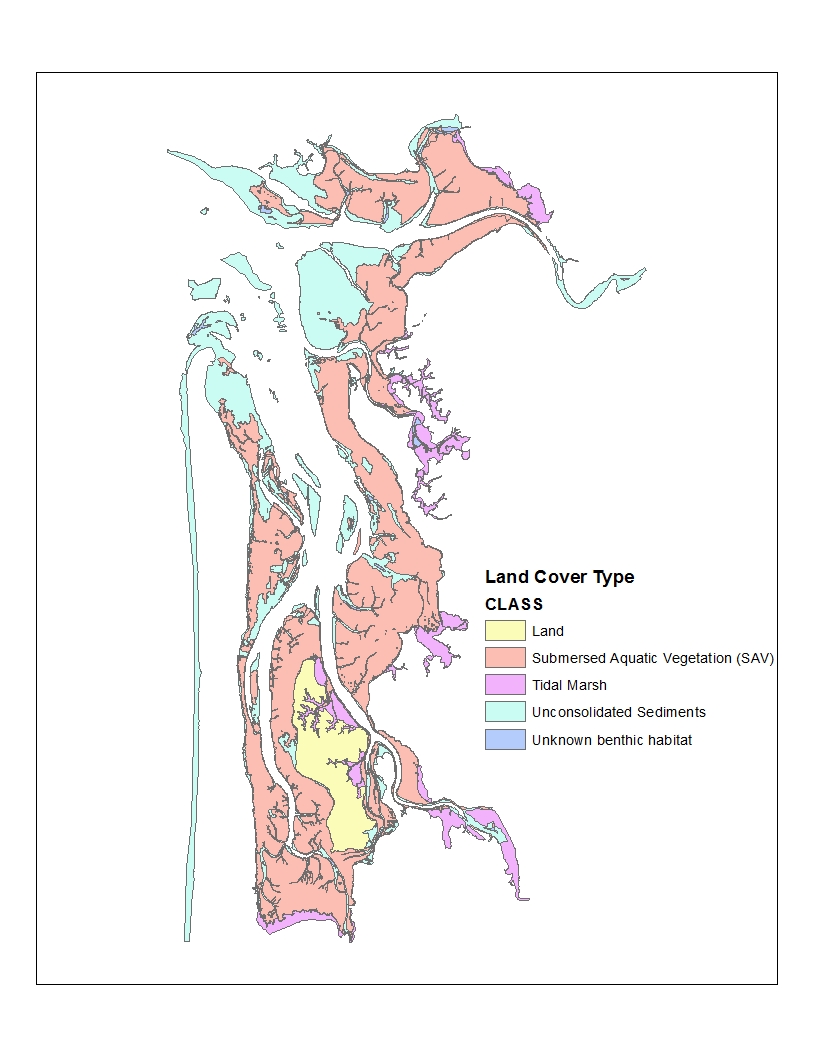
In preparation for a class trip to the Oyster capital of the US, Willapa Bay (which unfortunately I was unable to attend), I put together two spatial analyses of the land cover and bathymetry in the Willapa Bay estuary, in partnership with my colleague Marlon Jiménez Oviedo. The results were two mock reports, the first written as if reporting to the funding sources for an investigation on land cover: find it here. The second was written as a National Geographic article reporting on the bathymetry (depth and tidal analysis) of the bay: find it here.

GIS is one of my favorite methods of analysis, and lends itself particularly well to the spatial and distributive concerns that I am interested in when it comes to urban development. As such, it is always agreeable to have the opportunity to brush up on my GIS skills and learn a few more.

WBLandCover

Filed Under: ENVS 330, GIS, Posts

“TED Talk”: Urban Design

February 1, 2015 By Aaron Fellows

“TED Talk”: Urban Design

On 2/2/2015, I gave a very brief (3 minute) talk on Urban Design, my professional interest, to the ENVS 330 course. Here is a rough transcript:

We now live in a world where more people live in cities than do not. This happened at the end of 2008, when the UN announced that, for the first time ever, 50% of the world’s population was now living in cities. This might not seem so remarkable to you, though, because we live in a country where eighty-one percent (and growing) of the population lives in a metropolitan urban environment. Throughout most of the industrialized world, the statistic is similar.

Worldwide Urbanization Rates

In this climate, it is the role of Urban Designers to approach the issues that pop up when so many people are concentrated in a small area. These issues run the gamut from citywide emissions standards to problems of congestion, and can include such ambitious projects as urban albedo enhancement— using a city’s reflectivity to combat global warming.

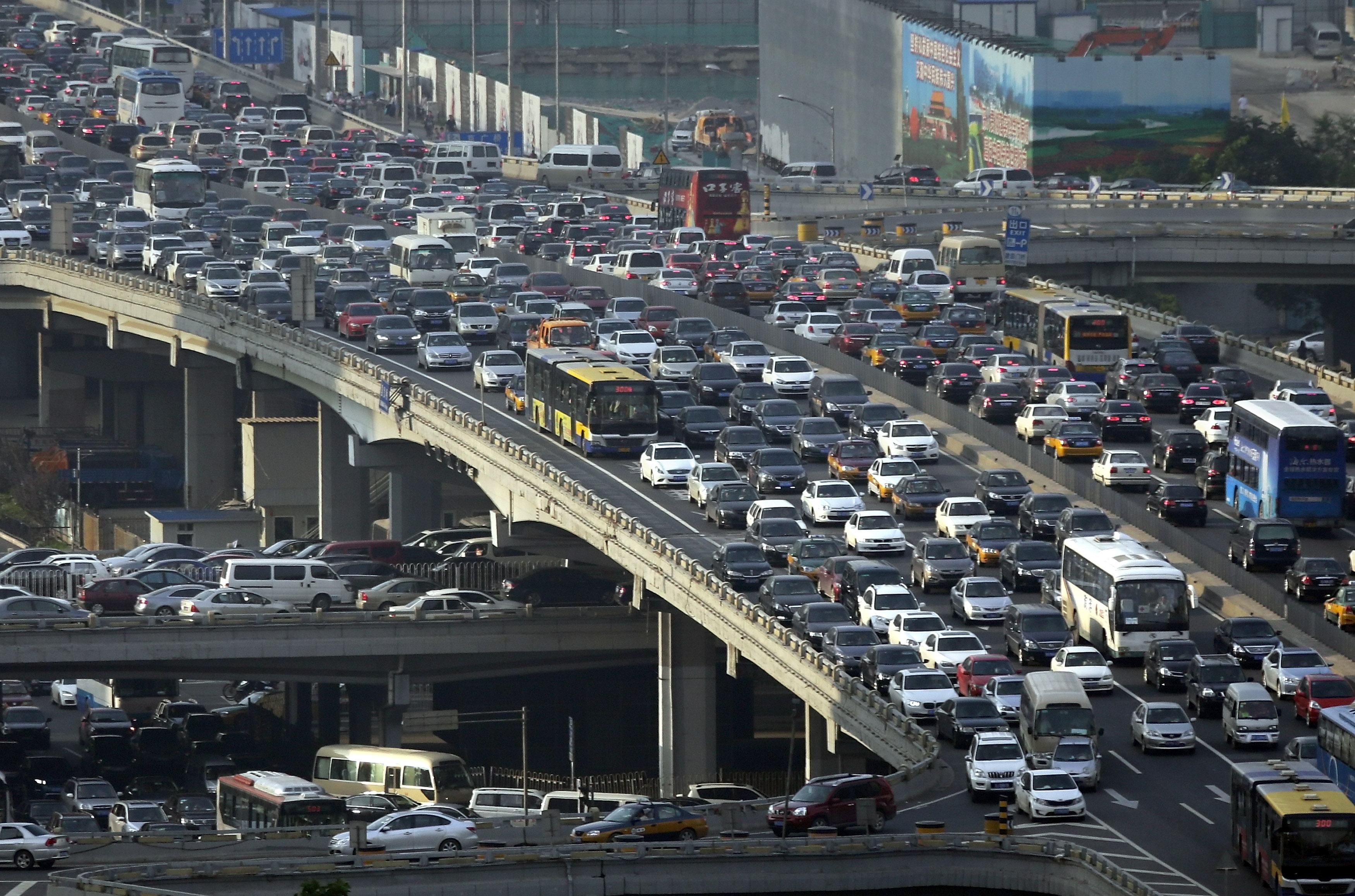
Congestion in Industrial Cities

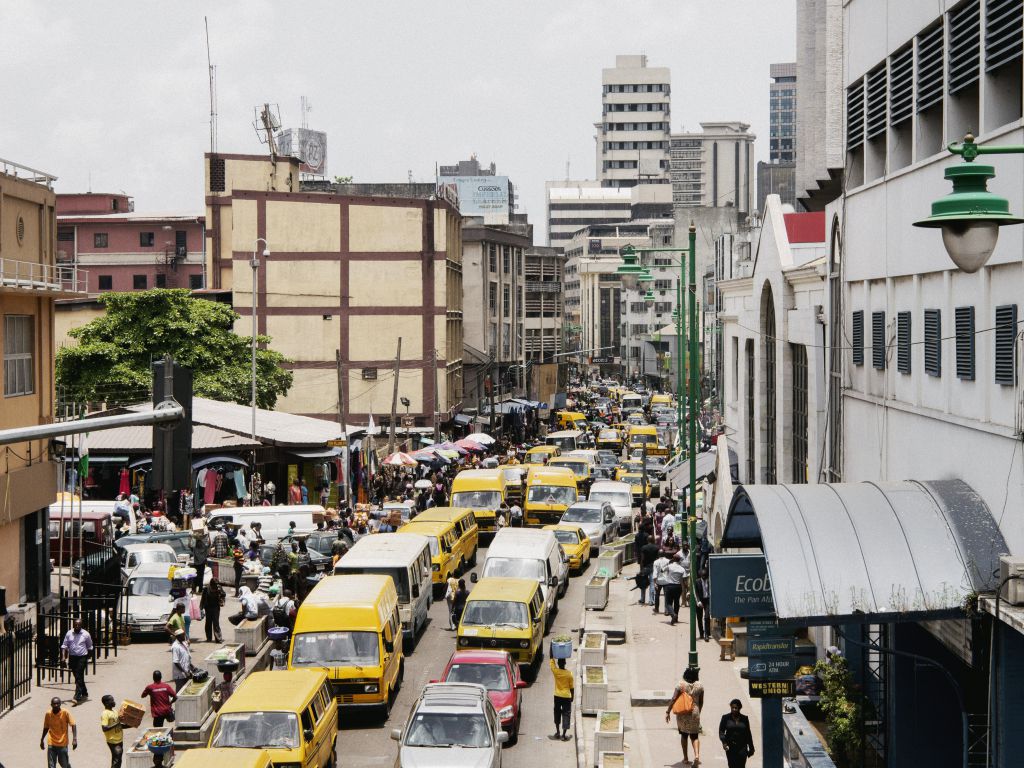
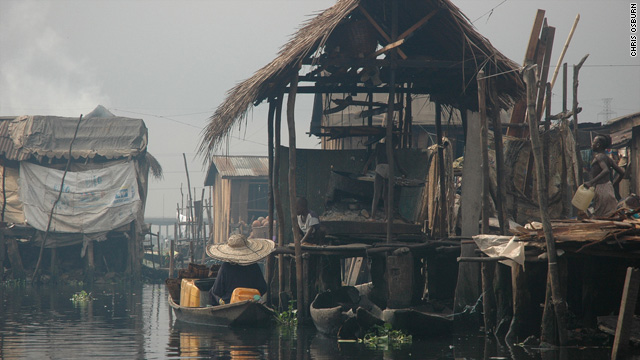
On the other hand, in countries like Nigeria, closer to 45% of the population lives in cities— but this number has grown one and a half times in the last twenty-five years. Lagos, the largest city in Nigeria, is the seventh fastest growing city in the world. Cities such as Lagos have boomed with regard to population and industry, but have not been so fast to develop infrastructure such as utilities and public health systems. Many residents of Lagos live in shantytowns on the edge of the city, with no access to electricity, clean water, or waste disposal. Makoko, a slum of over 100,000 residents, sits on a lagoon, with houses built on stilts above the water. Reputedly, it’s one of the liveliest neighborhoods of the city. Most recently, Lagos made headlines when it was unable to control the spread of the Ebola virus, resulting in infections in fifteen countries.

Lagos, Nigeria
Lagos, Nigeria

So it should be clear that the task of Urban Design is fairly different in industrialized cities which have had a long time to get to their size than it does in younger, faster-growing cities. There is a balancing act involved in a city’s development— the growth of business, industry, and population should coincide with the growth of infrastructure and public services. In cities that have grown over a long period of time, this has tended to happen as a matter of course, and the problems that Urban Design addresses are more related to the sheer size and concentration of the city. In “boomer” cities, however, addressing the need for this balancing act is a real concern.

Makoko, a slum on Lagos Lagoon

I should stress that the reason people come to cities is typically because cities generate wealth and prosperity— the world over, people who live in cities enjoy a higher standard of living than those who do not. Urbanization is not itself a problem, but it creates a unique set of problems along with a unique set of benefits. The function of Urban Design is, by managing the space that so many of us share, to mitigate those problems and help realize the benefits.


Filed Under: ENVS 330, Posts

  • « Previous Page
  • Page 1
  • …
  • Page 3
  • Page 4
  • Page 5

Digital Scholarship Multisite © 2018 · Lewis & Clark College · Log in

✖