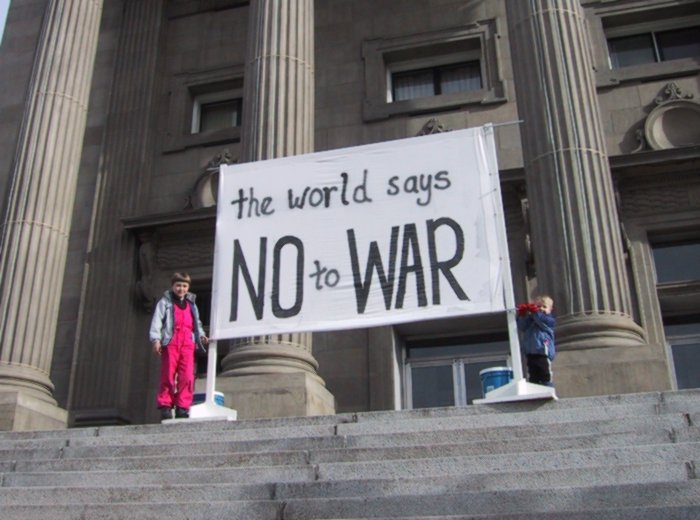
For me, issues of environmental (in)justice are at the very core of why studying Environmental Studies is important, relevant, and urgent. Although justice is perhaps just another “big word” that has huge implications yet is difficult to pin down a definition, injustices can be very tangible. They can be measured in parts per million in […]
Case Studies of Environmental (In)Justice
The classic example of environmental injustice, as described in Gordon Walker’s paper “Beyond Distribution and Proximity: Exploring the Multiple Spatialities of Environmental Justice” (Walker 2009), pertains almost exclusively to proximity and distribution in the sense that spatial analysts draw a circumference around a feature in the landscape such as a polluting industry and compare this […]
Narrating the Malheur Occupation
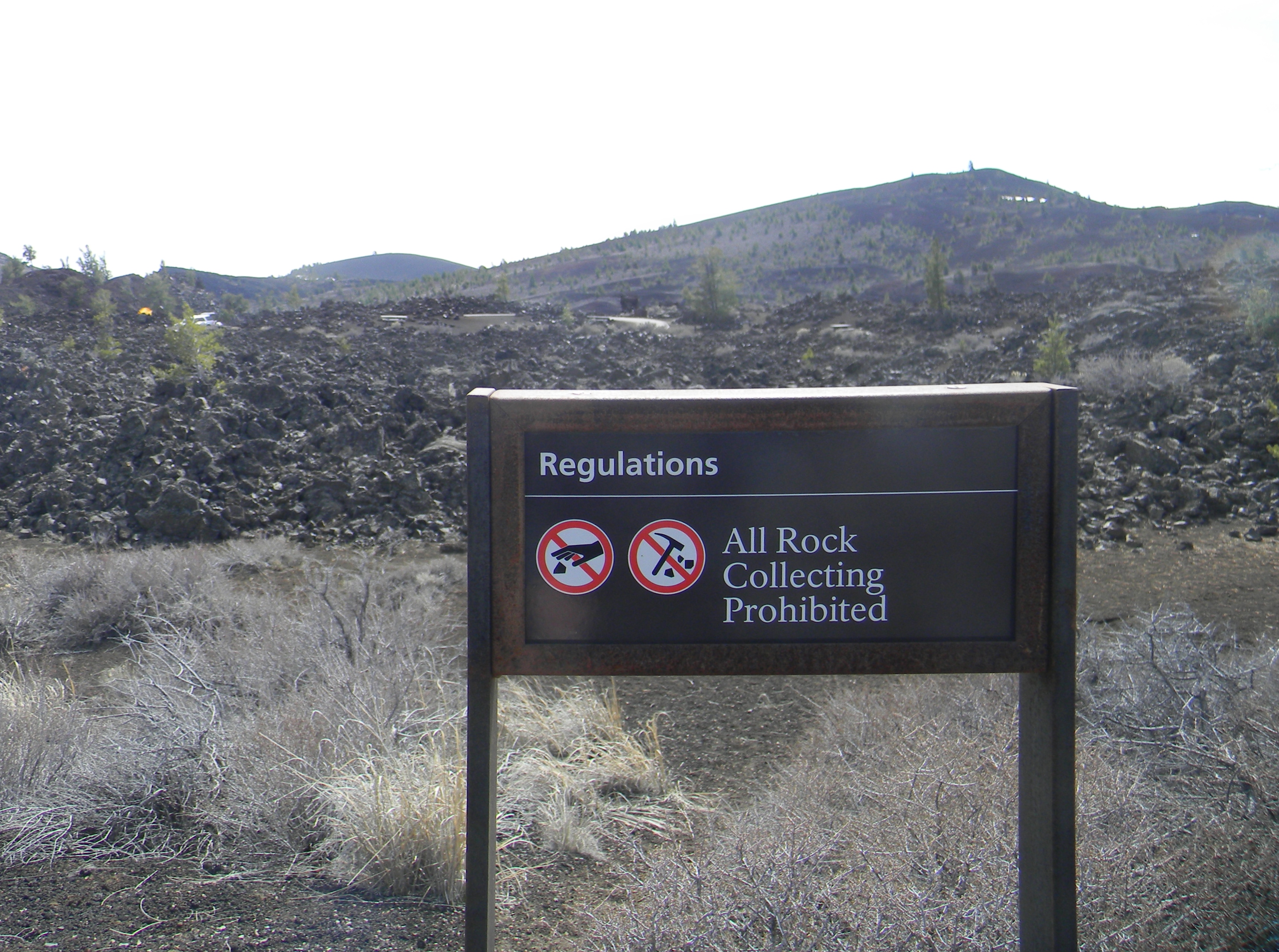
I went camping with my family at the Malheur Wildlife Refuge when I was around 15 years old. I had just gotten a cell phone. Despite the natural beauty that surrounded me in the southeastern Oregon desert, that cell phone was the most exciting part of my trip. At the surprise and horror of my […]
A Little Love for Quantitative Skills
Despite popular belief that, as an English major, I am fundamentally opposed to quantitative analysis, I love numbers. Last spring I took Bekar’s Environmental Economic course and I truly believe that it was the best class I took at Lewis & Clark (so far). Despite my affinity for beautifully inefficient prose like that of Salman […]
Environmental Theory: Beginnings
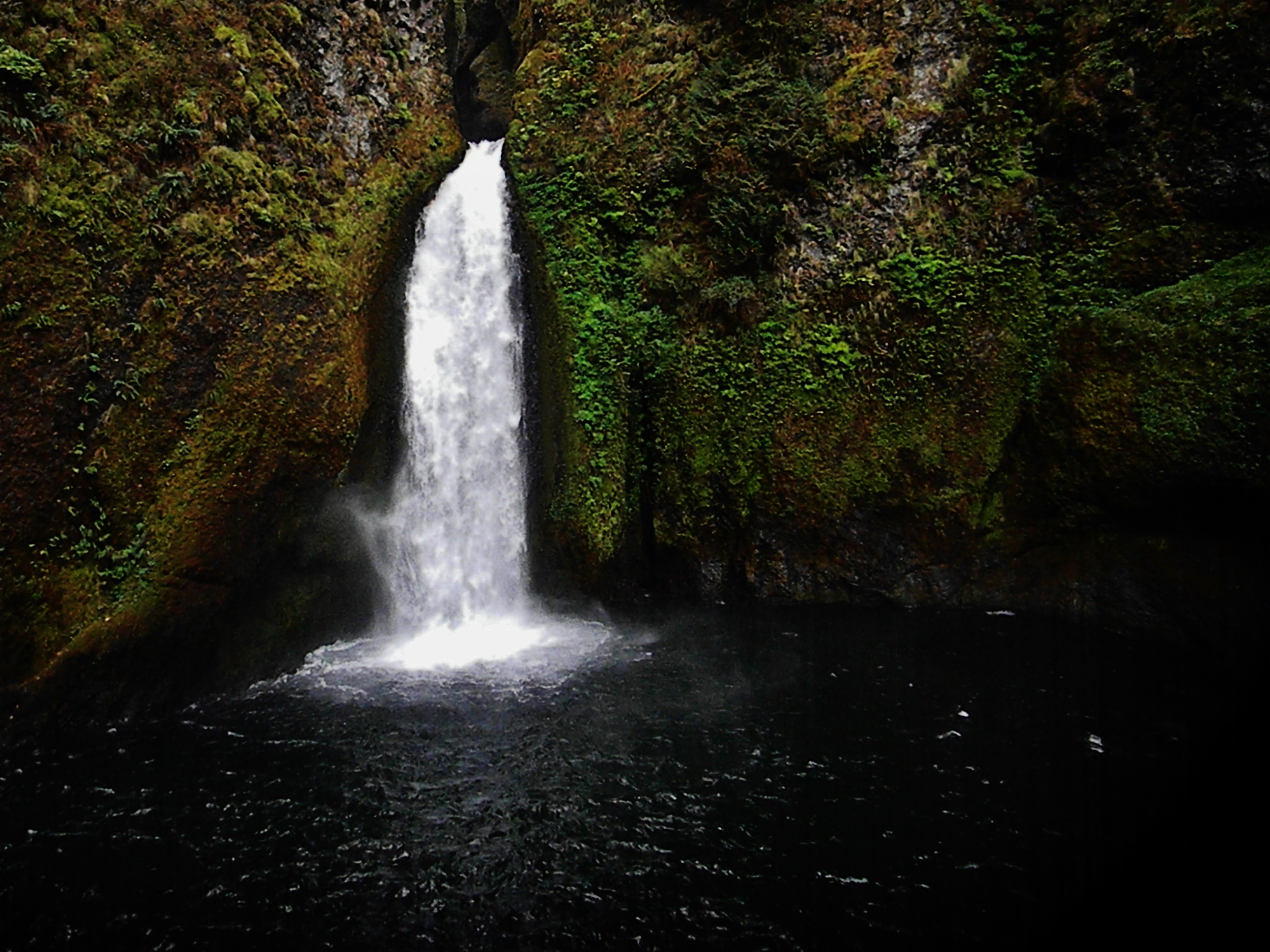
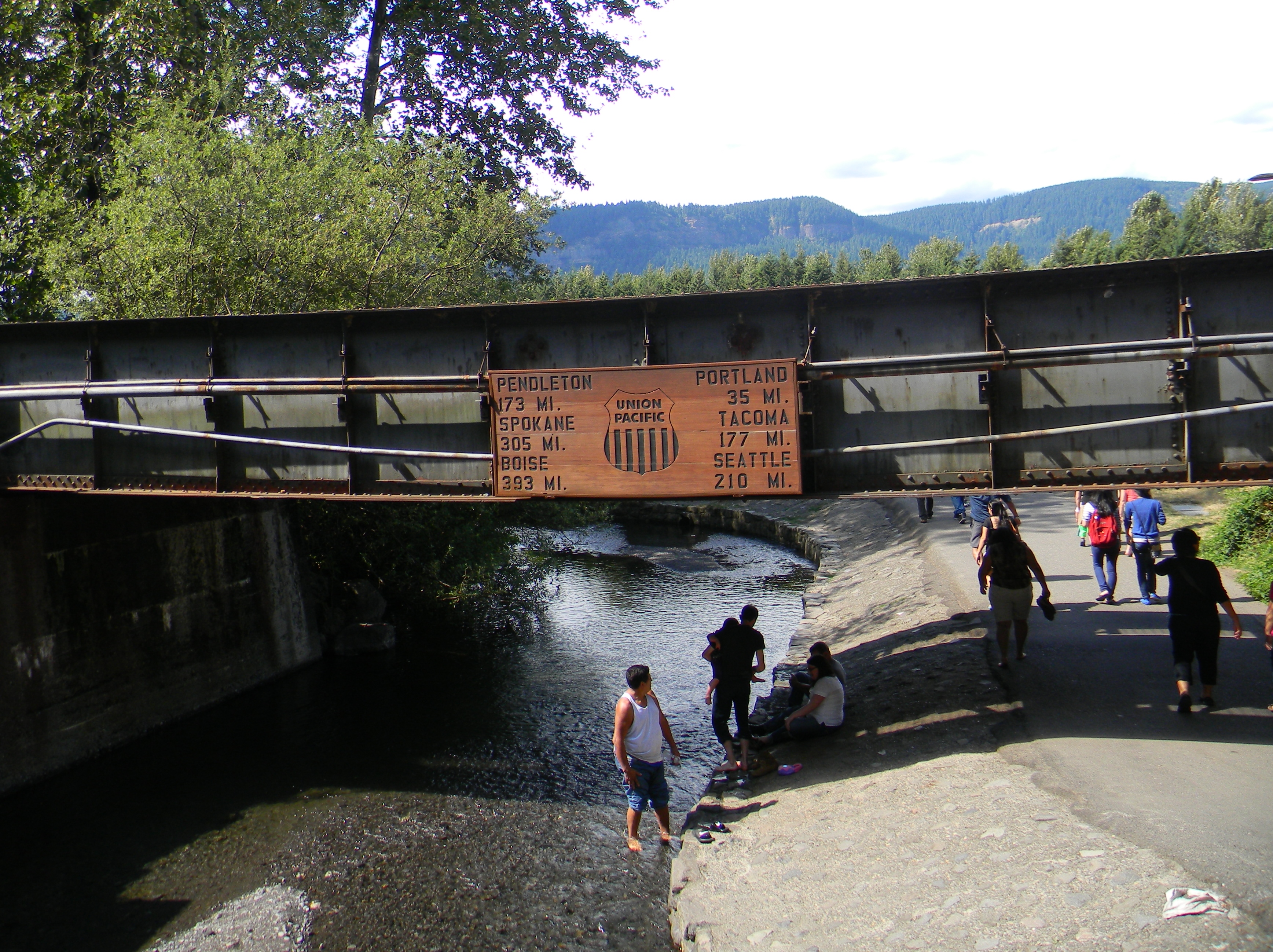
The first weeks of the semester can be a blur. They fly by and before you know it, you’re past the syllabus week and into the raw material of learning. From what I’ve learned about myself, these beginning weeks feel as if I have jumped into the pool at the bottom of Wahclella Falls in […]