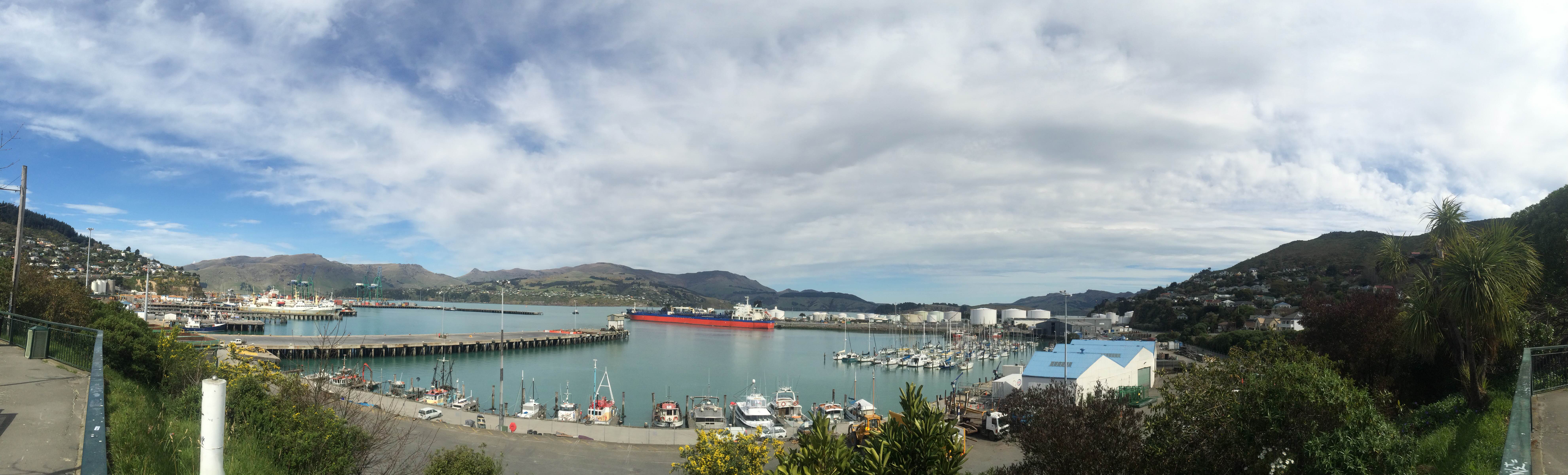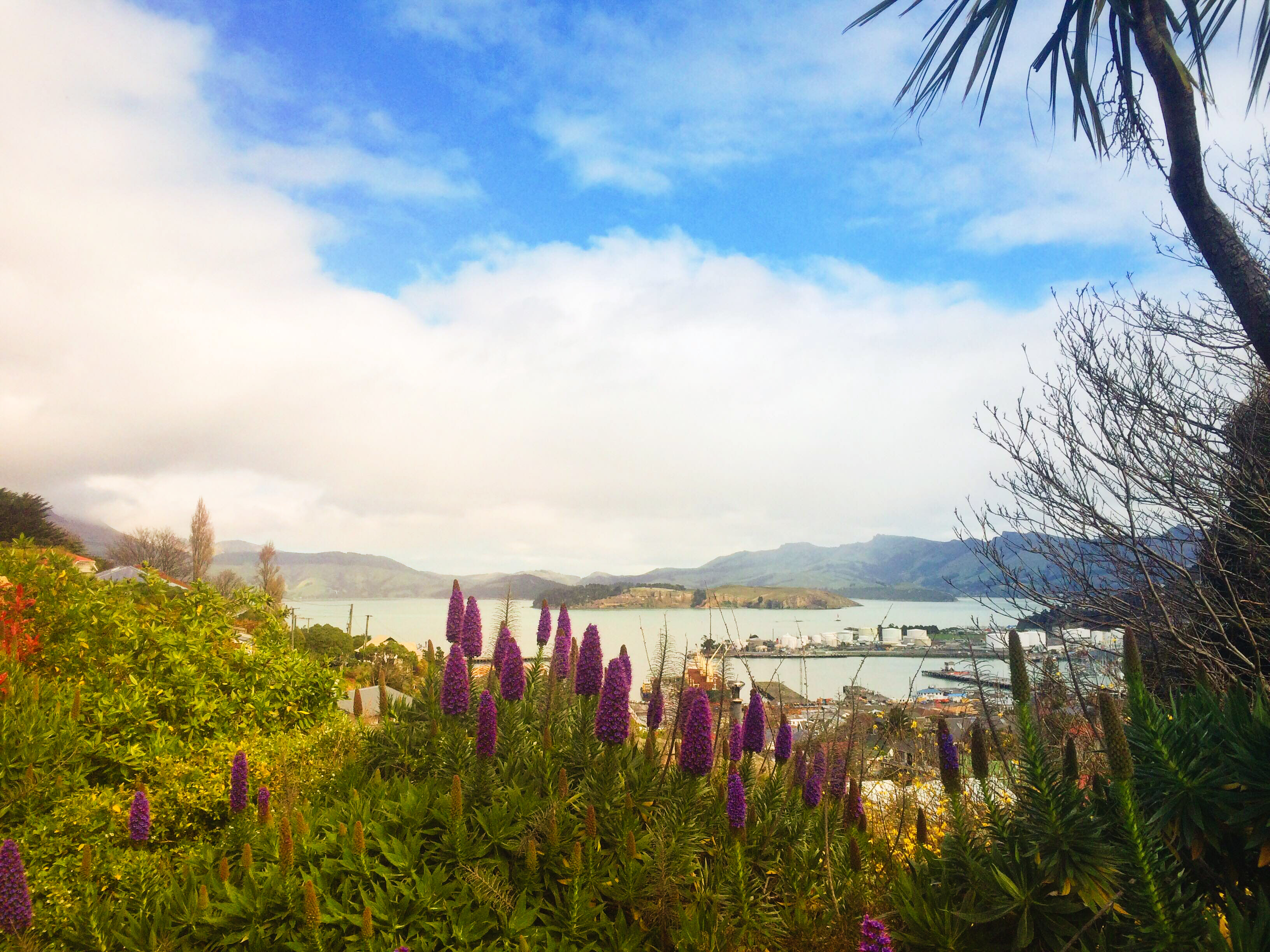
Today marks my first full week in New Zealand! I’m currently sitting in my host family’s kitchen drinking a cup of tea (a New Zealand custom that I partake in about six times a day now) staring out the window to my left that looks out onto a small but busy harbor. Lyttelton is a neighborhood of Christchurch, the main city on the less densely populated South Island of New Zealand.
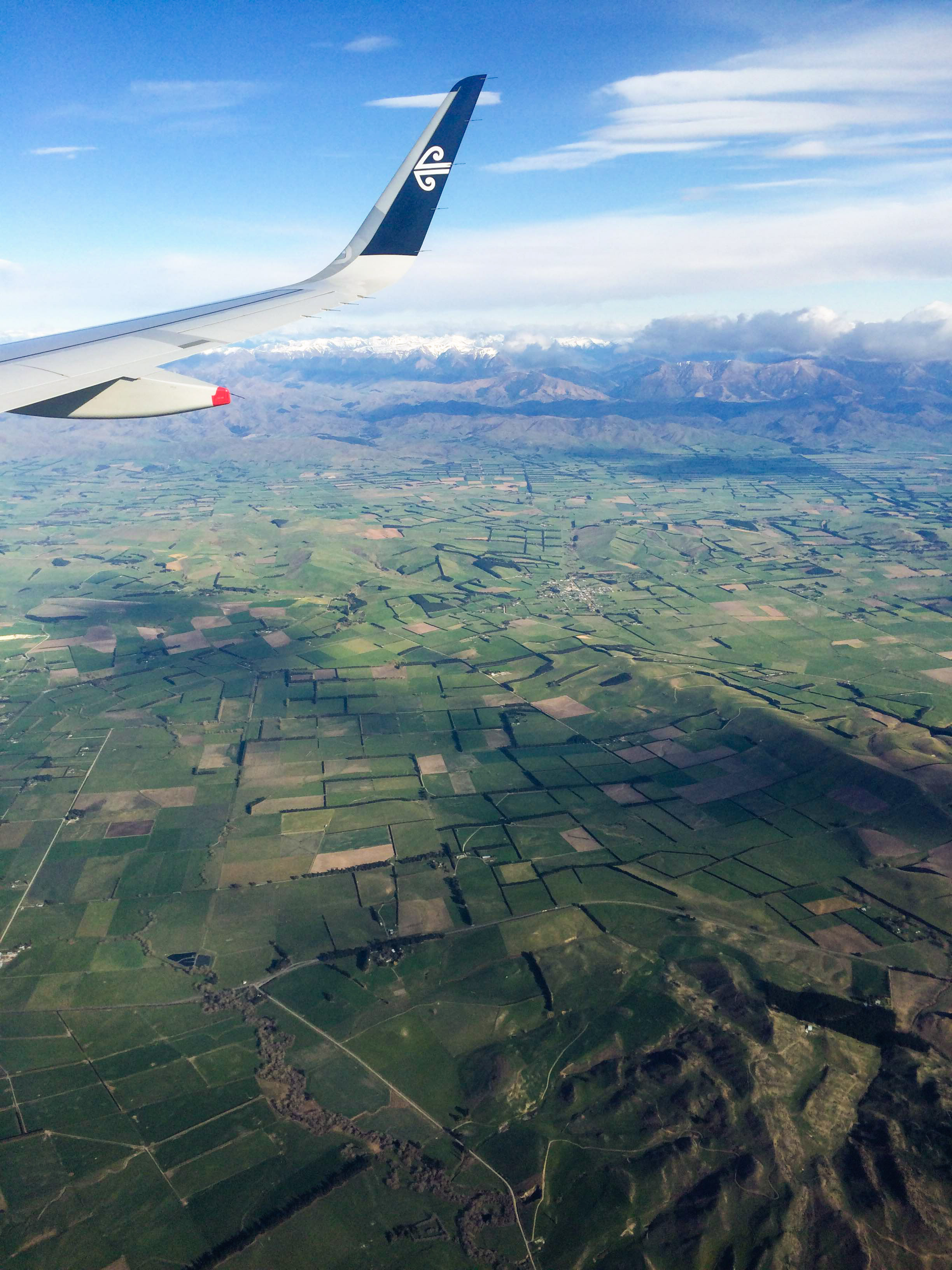
Christchurch is very flat — apparently formed from sediment deposits from the nearby Southern Alps. Lyttelton, in contrast, sits in the caldera of an ancient volcano. Emerging from the long tunnel that connects Christchurch to Lyttelton is quite a spectacle. Instead of the industrial feel of cranes, construction crews and piles of rubble resulting from the Christchurch 2011 earthquake, you’re transported to a little paradise that is surrounded by rolling green hills on three sides, and a beautiful blue ocean on the fourth.
The people I’ve met so far in Lyttelton have been equally beautiful, welcoming, and passionate about various projects attached to the overarching Project Lyttelton. So far I’ve gotten to help out at the Farmer’s Market and Community Op-Shop, two organizations in Project Lyttelton dedicated to promoting community and “sustainability,” in the form of reusing, recycling, repurposing, supporting local food systems, and educating the community about current issues. The Timebank here is the first in New Zealand, and its 700 members celebrated its 10 year anniversary this month with a visit from Timebank’s creator who lives in Washington D.C.
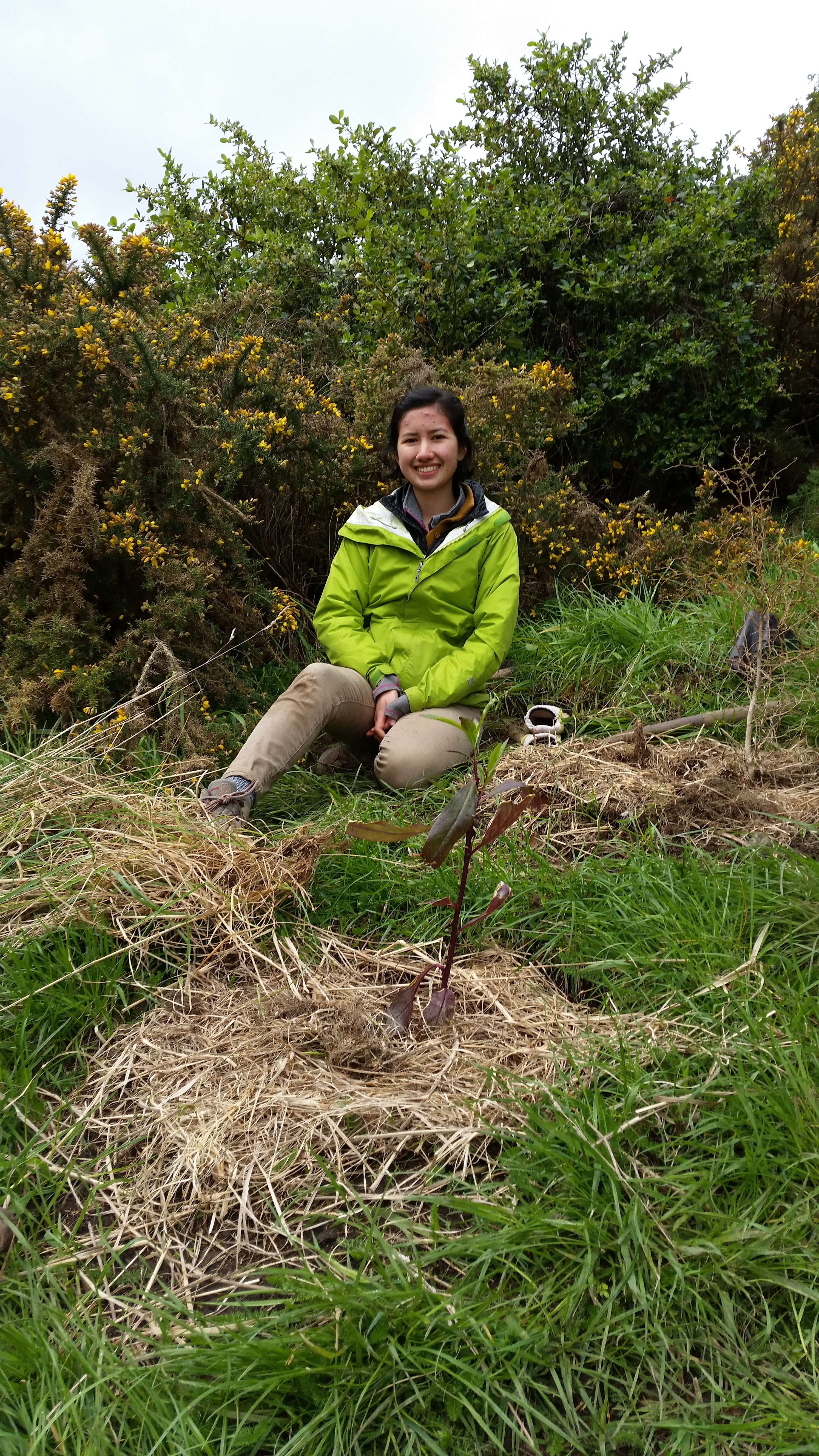
I also got to help in a native species regeneration project by planting a dwindling population of native trees up in the hills of Lyttelton, and just yesterday I spent half the day with the year seven and eights at the local elementary school.
On Tuesday night I accompanied two Project Lyttelton coordinators to a weekly meeting in Christchurch organized by the former mayor. Unsure of what was going to happen, I was shuffled up three flights of stairs to the top story of a trendy bar. I found myself in a dimly lit room lined with windows and filled with hanging plants, surrounded by a handful of prominent and well connected community leaders that seemed to be hand picked by the mayor himself. In the next couple hours, I listened to Wendy, Project Lyttelton’s co-founder and powerhouse, give a talk about numerous successful projects that Lyttelton has implemented and how it has brought the community together in the wake of the earthquake. As I ate my falafel burger and chips (french fries), I listened to the members discussing the value of such a project, then diving into potential problems (funding) and calling their well-connected friends to help solve any problems (council members and people who sit on the boards of various trusts). It was quite inspiring to see all of that unfold right in front of me, and it definitely illustrated the power of community and networking.
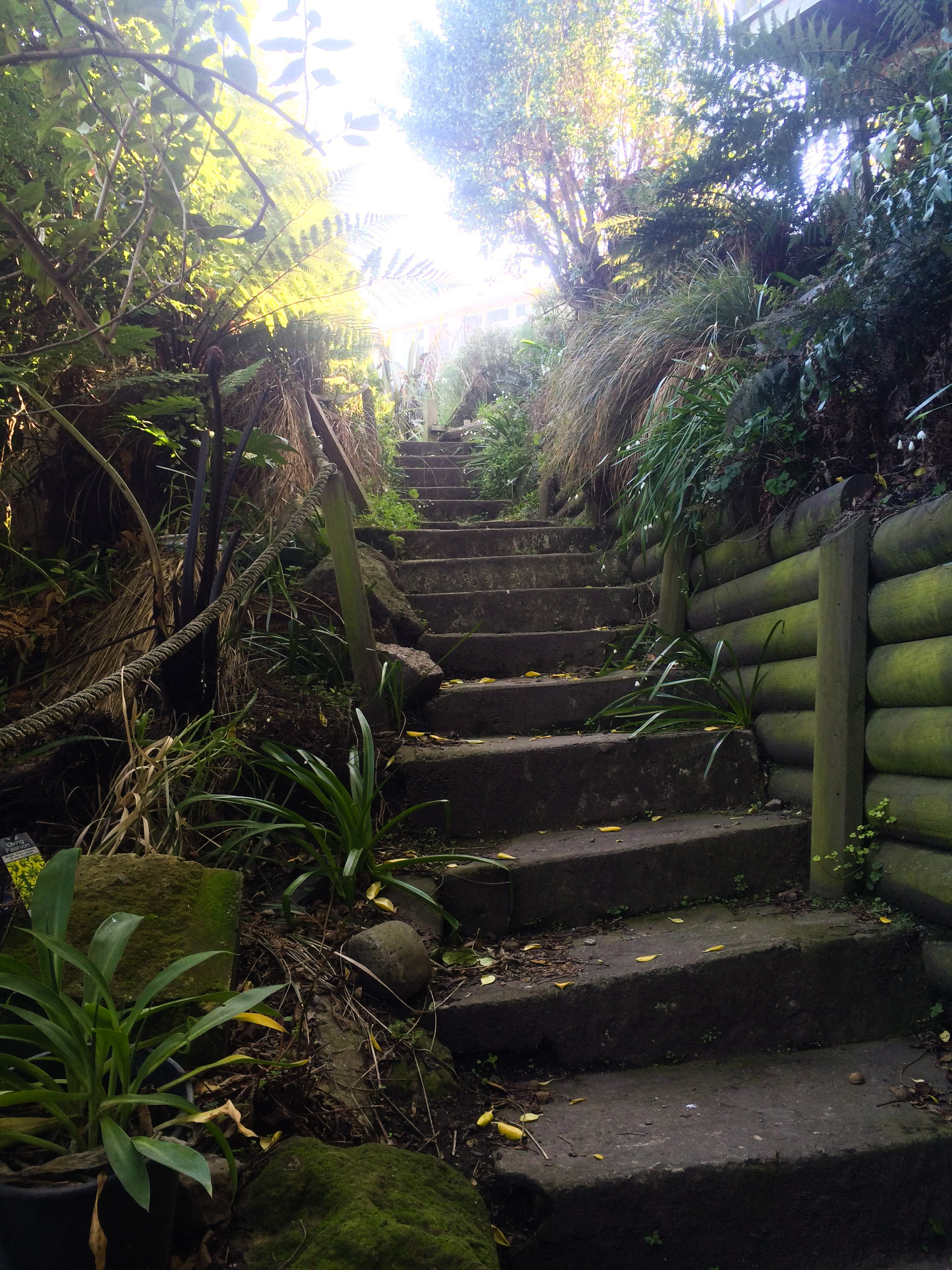
In terms of my living situation, I am forever indebted to a wonderful French woman and her two sons for so graciously welcoming me into their home. They’ve all but adopted me — in the morning I walk with Jule, who is nine, to school and in the evenings we sit around the kitchen table and talk, or undertake various projects. Jule and I have made two successful holograms and are in the planning stages of a third more ambitious hologram. I try to help Mia out around the house as much as I can, and recently ordered the latest Mac software from the Apple store for her (thank you globalization). For the next two weeks the boys are on school holiday, so we are planning some fun activities.
From an academic standpoint, I’ve been trying to mentally sort through all of the informal conversations I’ve had with people and come up with some important aspects of this place. So far, the earthquake has come up in almost every single conversation I’ve had with people even though it happened almost five years ago, an indication of the scale of devastation it caused to the community. Project Lyttelton is dedicated to utilizing social capital to build community but emphasizes the need for this network to grow from the heart of the community’s needs in order to sustain all of its projects. A commitment to sustainability is also a major theme here, with community members pioneering waste awareness programs, community gardens, school cooking and gardening programs, and informal libraries aimed to make various sustainability information available to the public. I was told about 80% of power here is either wind or hydroelectric, but was also alerted to the problems these sources of power can cause to the natural landscape. Despite all of these programs, I’ve been told by multiple people that in reality New Zealand doesn’t really live up to it’s international praise for being “green” — which to me is an indication of a deeper community awareness of “sustainability,” since there is always more that can be done.
I decided to spend my first two weeks in Lyttelton to get settled and situated, and so far that has been a success. I’ve been in contact with the professor I will be working with at the University of Canterbury, and am already thinking about the transition from life here to life in the city, where I’ll be helping with research at the Uni. I got the names of several enviro schools and place-based education/Maori schools that I will be looking into, so hopefully I will be able to service learn at a few of them. I’ll try to post roughly every week, but hopefully these posts won’t be quite as massive as this initial one. Week one, signing off!