Today I met with Simon McMillan, the head science teacher at Kaikorai Valley College in Dunedin. I was referred to Simon through Jocelyn Papprill at Environment Canterbury, as they worked together on preparing New Zealand’s Education for Sustainability (EfS) curriculum together a few years back. Since I had been predominantly visiting primary schools, visiting a high school (somewhat confusingly called colleges in New Zealand, while colleges are universities) was a breath of fresh air in terms of new and exciting projects. Simon has been spearheading tons of projects at Kaikorai, and has even received national attention for his water testing procedures designed for students.

One of the projects he has already implemented is the Portable Combined Biogas Digester Tank. In an abbreviated and possibly incorrect explanation, manure is used as an input and the bacteria produced can then break down organic materials (in Kaikorai’s case, they get unused produce from supermarkets that would otherwise be thrown away) into fertilizer. The biogas digester produces methane that can then be burned and turned into carbon dioxide, which can be funneled into a greenhouse to supplement plant growth. Byproducts include water and hot gas that can be used for cooking. Although I don’t completely understand the processes, I thought it was such an interesting idea that if I was a high schooler I would be inspired to learn the science behind it. The idea of converting methane into carbon dioxide was especially intriguing to me since, after very long bus rides through fields of cows and multiple discussions with locals about the rapid increase of dairy farming and its detrimental effects, I could tell methane would be a big problem in New Zealand, if it wasn’t already. Although carbon dioxide is also a harmful gas in our atmosphere, it is much harder to remove methane from the atmosphere and it’s one of the biggest problems. In terms of being place-based, agricultural solutions should be a pressing concern, which makes this digester even more relevant.
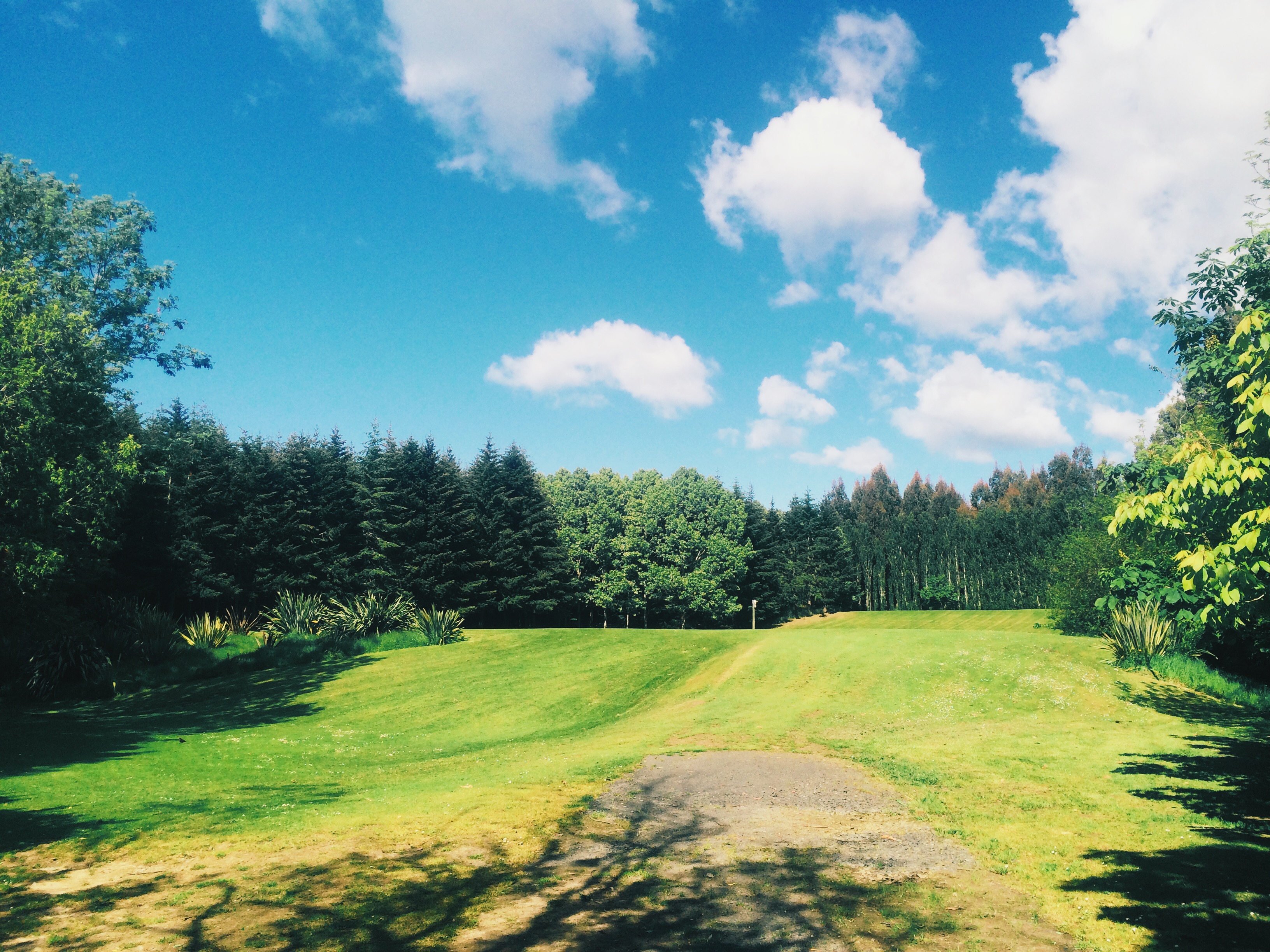
Another project Simon has pioneered is an experimental urban sustainability farm. He has received funding to transform an empty field behind the school into a place where student led projects can be implemented. Some examples of potential projects include a bee farm that would be integrated into the existing flora, an alpaca herd to understand animal husbandry, and a raised plant bed that would be mounted on a trailer and moved in the winter months to get the most sun exposure. To get the surrounding community involved, Simon suggested that primary schools might be able to get involved in collecting data on the field using ArcGIS, an advanced mapping program. Getting that kind of experience with such an advanced program at such a young age would be an invaluable experience.
Additionally, Kaikorai Valley College has done stream inquiries into a tributary that runs through their campus. In addition to performing water quality tests, the students have used tools to measure the water flow which is more advanced than the primary schools I’ve been visiting. Kaikorai is lucky in that it has a stream flowing through its campus, so it is an obvious point of interest. They also partnered with a local company that owned property next to a stream, and students planted native riparian vegetation along the riverbank.
Simon’s ability to make community partnerships, and to continue to push through intellectually stimulating yet relevant projects has made Kaikorai Valley College thrive. Some of our discussion revolved around the paradox of sustaining sustainability. Across most of the schools I visited in New Zealand, there was usually one very passionate and motivated teacher who drove the projects and kept the school moving forward. If that teacher were ever to leave or step back, many times the projects can’t sustain themselves. Simon told me that it’s usually not too hard to find funding for a short term project, but long term projects, for example a year long salary for an environmental project coordinator, would be very hard to find.
Overall it was such an inspiring and informative visit to an innovative school, and I hope I can return one day.