
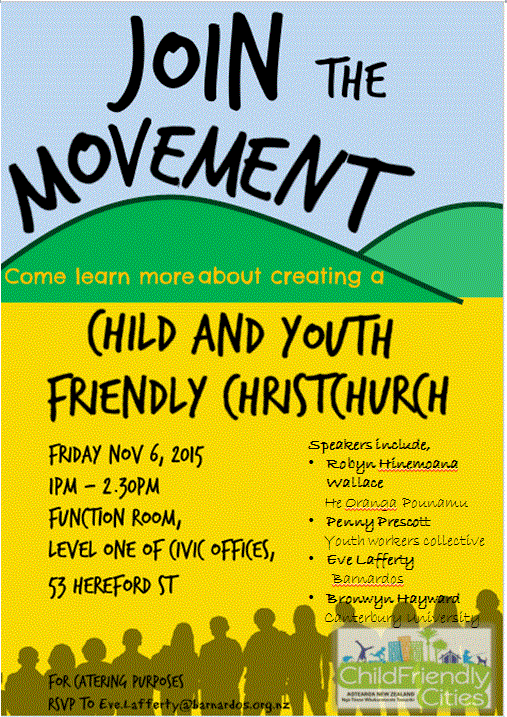
A few weeks ago, I attended a community meeting regarding the push to make Christchurch a Child Friendly City. Admittedly, I had never heard of Child Friendly cities before this meeting. After some research, I learned that it is an initiative launched by UNICEF (United Nations Children’s Fund) to promote the democratic empowerment, health, safety, and equality of children in cities (read full list here). This meeting was a call to action for the community, and speakers emphasized the idea that children are the indicators of a community’s health. It began and ended with a Ngai Tahu representative performing a Maori chant/blessing, and everyone ended up joining in a Maori song at the very end as well. Each speaker prefaced their talk with a few sentences as an introduction in Te Reo, the Maori language. This was my first experience with how bi-lingual/bi-cultural New Zealand is — this type of interwoven culture is normal here, as students learn some Te Reo in school, and Te Reo words are commonplace in everyday speech, even if it’s just simple greetings like “Kia ora” or names of trees or birds.
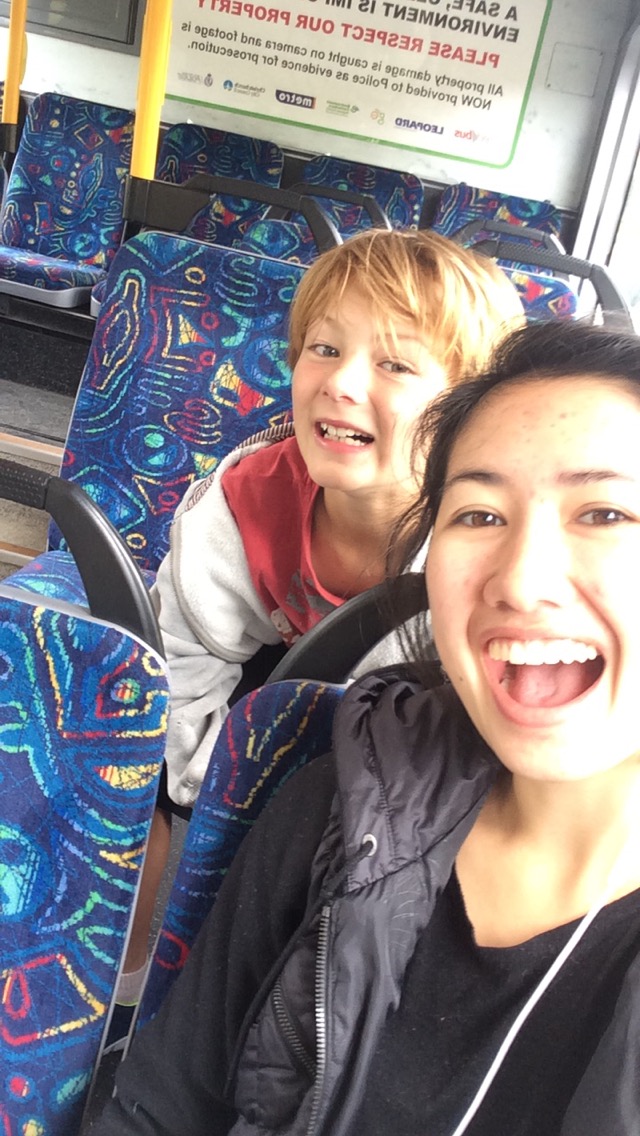
One day a few weeks later I was on the bus with my nine year old host brother on a mission to find him a “finger board” — basically a finger sized skateboard — when, out of the blue, he said “I don’t reckon Christchurch is a very good place for kids to grow up. People should move out into the countryside if they have kids.” To be perfectly honest, I had some similar thoughts as I got to see more of Christchurch. The city has been so shaken up since the earthquake in 2011, with families being forced out of the city center and into surrounding suburbs that were safe from being in the city council designated “red zone.” Now the once bustling city center is a maze of one way streets, orange cones, piles of rubble, and construction crews — not an ideal place for children to congregate.
When I asked him what he meant, and he said it didn’t feel safe. I told him about my recent discovery of Child Friendly Christchurch and we started a discussion about possible solutions. His first idea was for the council to ban everyone from wearing leather jackets. Interesting, I said, but perhaps we can think of things the council can do, instead of things other people can’t do. From there we came up with a few things. He mentioned putting phones that kids can use to call their parents on every corner. I thought that was a very valid concern, but instead of building new infrastructure, why not involve local businesses and develop a Child Friendly CHCH sticker that will show children which store owners would be willing to let them use their phones? Another concern was parental supervision at parks. He suggested having parents supervise groups of children under 10 years of age (which was interesting to me considering he is 9 and seems pretty independent) because teenagers can be loud and rambunctious. Finally, he suggested having better gathering spaces like skate parks.
After this discussion, I had a meeting with Kendall Lattin, a young woman working with Bronwyn Hayward this summer on gathering baseline data for the Child Friendly Christchurch project. We met to brainstorm ways to approach this project. We came up with some potential interview questions, and a strategy for Kendall to make a baseline assessment of Christchurch. The next steps in the project include taking an inventory of available spaces in the community, identify problems or assets, and find a group of students to interview to get their opinions.
From a place-based perspective, a Child Friendly city would be a huge win. It would foster a sense of community, and empower children to make change in their own cities. Place-based education and Child Friendly cities would go hand in hand because they both strive to develop children’s investments and ability to make change where they live. I have big hopes for Christchurch becoming a Child Friendly City one day!