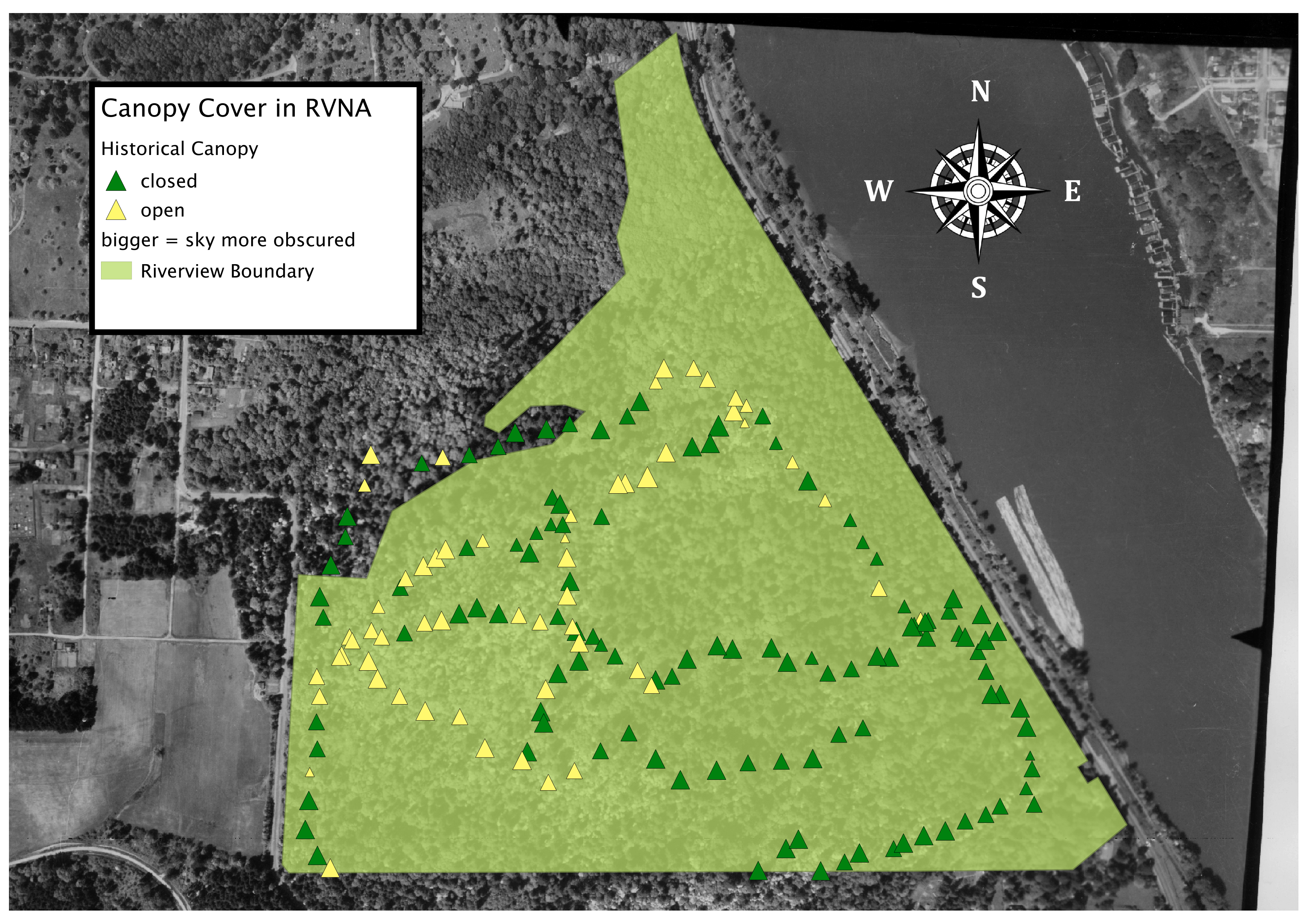
By Myles Bridgewater-Jackman, AnaCapri Mauro, and Kara Scherer Background Riverview Natural Area, or RVNA, is a natural area in southwest Portland nestled between the Willamette River, Tryon State Natural Area, and Forest Park. According to the city of Portland’s Parks and Recreation website, “It was logged in the 1800s and 1950s and was subjected to vegetative neglect […]
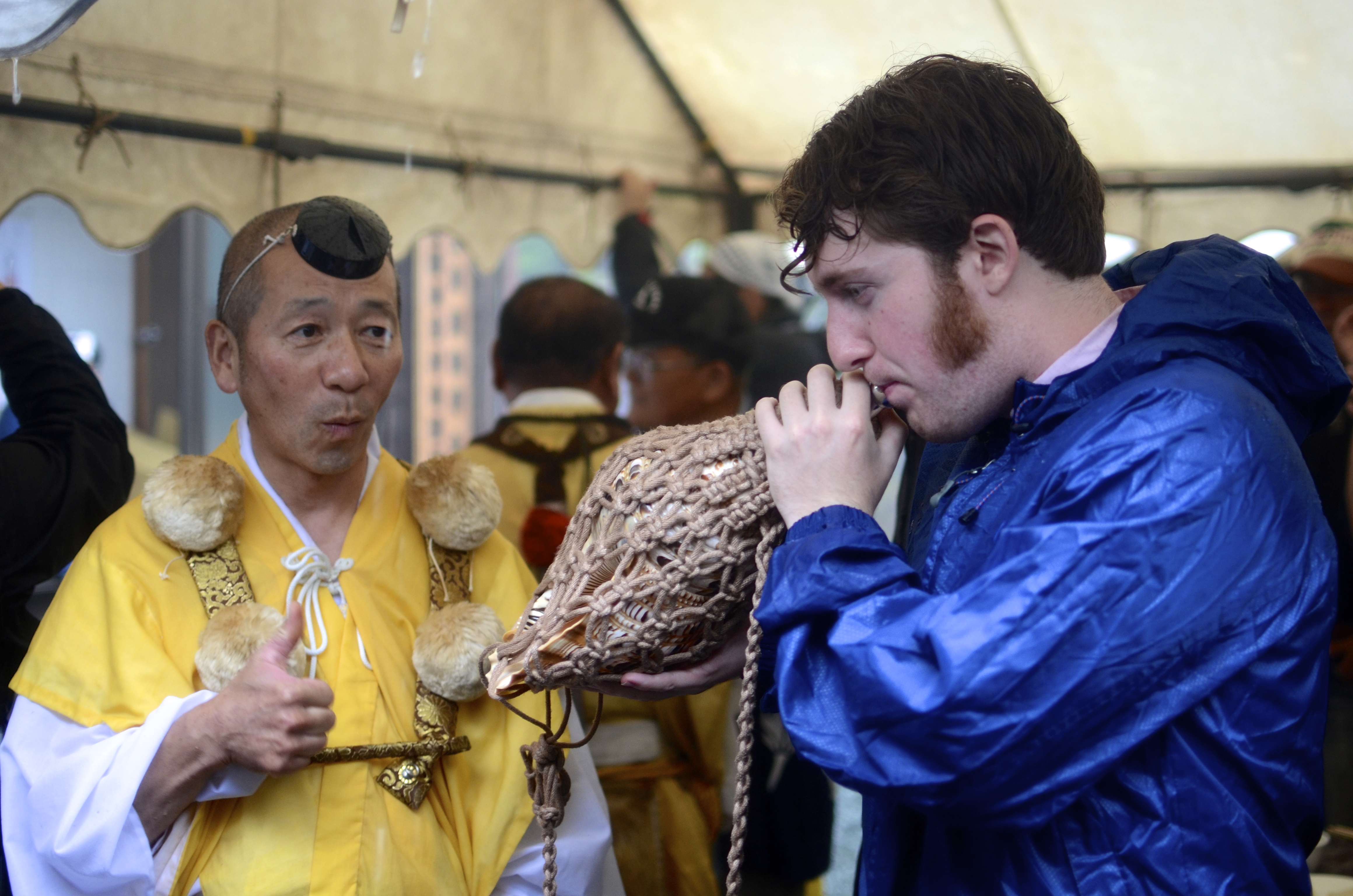
The Education Interrogation: Place-Based Learning in the Western World
This past week has been a whirlwind of work on my concentration. Through numerous meetings, dozens of explanations, and hours of reading, I am finally beginning to feel more comfortable with my concentration. I now have a few contacts at the Lewis & Clark Graduate School of Teaching who have connections to New Zealand as […]
Education, Culture, Nature: An Annotated Bibliography
After assessing my interests and deciding that I would love to integrate education, ethnic studies, and art, I had a meeting with the Environmental Education teacher at the grad school, Greg Smith. He pointed me towards a plethora of interesting resources, including books, articles, journals and websites that are all very close to what I […]
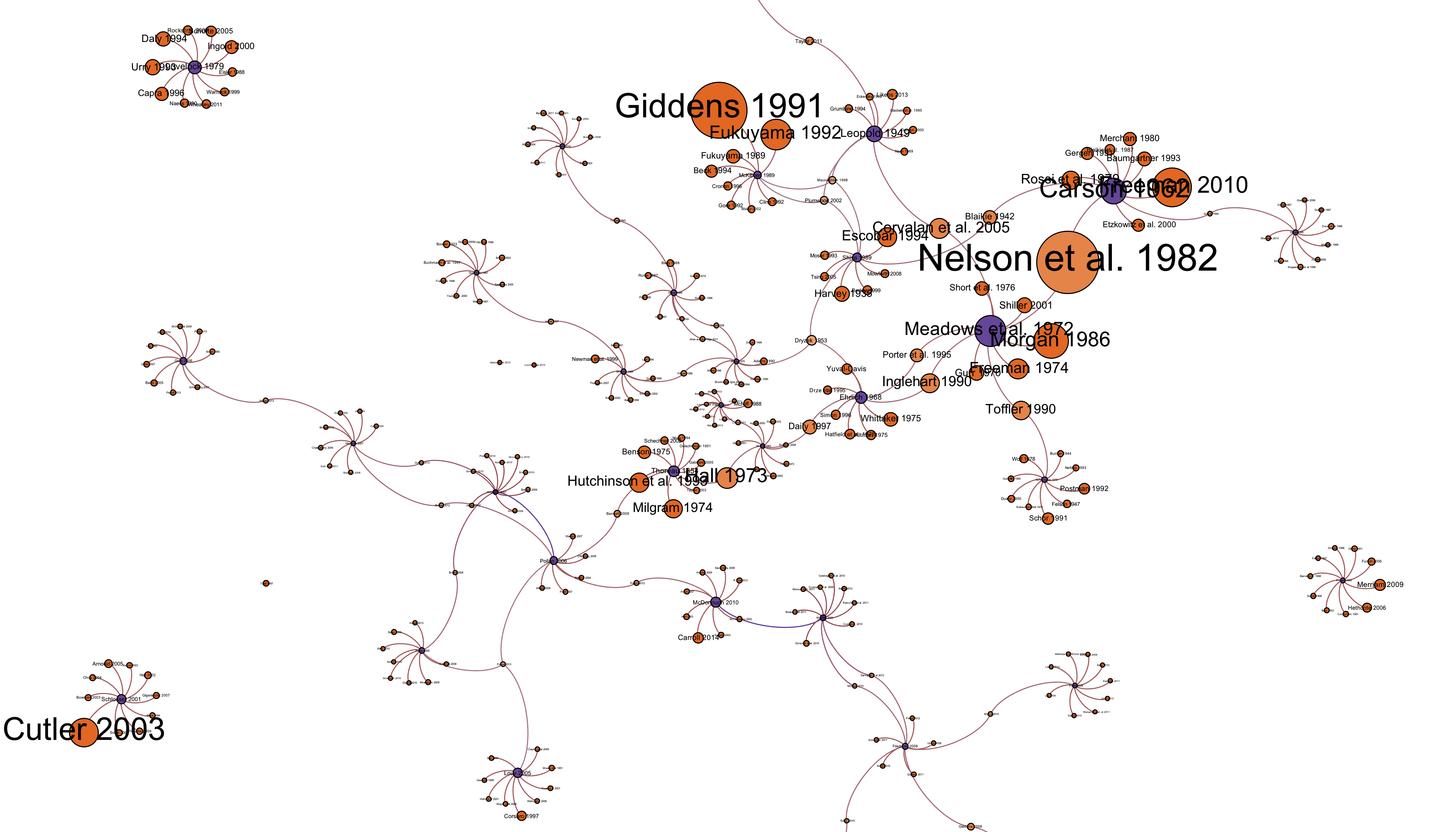
Social Network Analysis: Gephi
Background Social network analysis is an important tool that helps find connections between people, ideas, or books, to name a few. In such an interdisciplinary major as environmental studies, it is important to find connections between all the different topics we examine. This lab analyzes the network of citations between thirty-six different environmental classics, as […]
Navigating Through SPSS: Inferential Statisics
This week’s lab built upon the driving variable we compiled data on in last week’s lab. Last week, we did literary research on the GEF index on biodiversity and got a better idea of the background behind measuring the data and observed some general trends between biodiversity, country size, and forest cover. This week was much […]
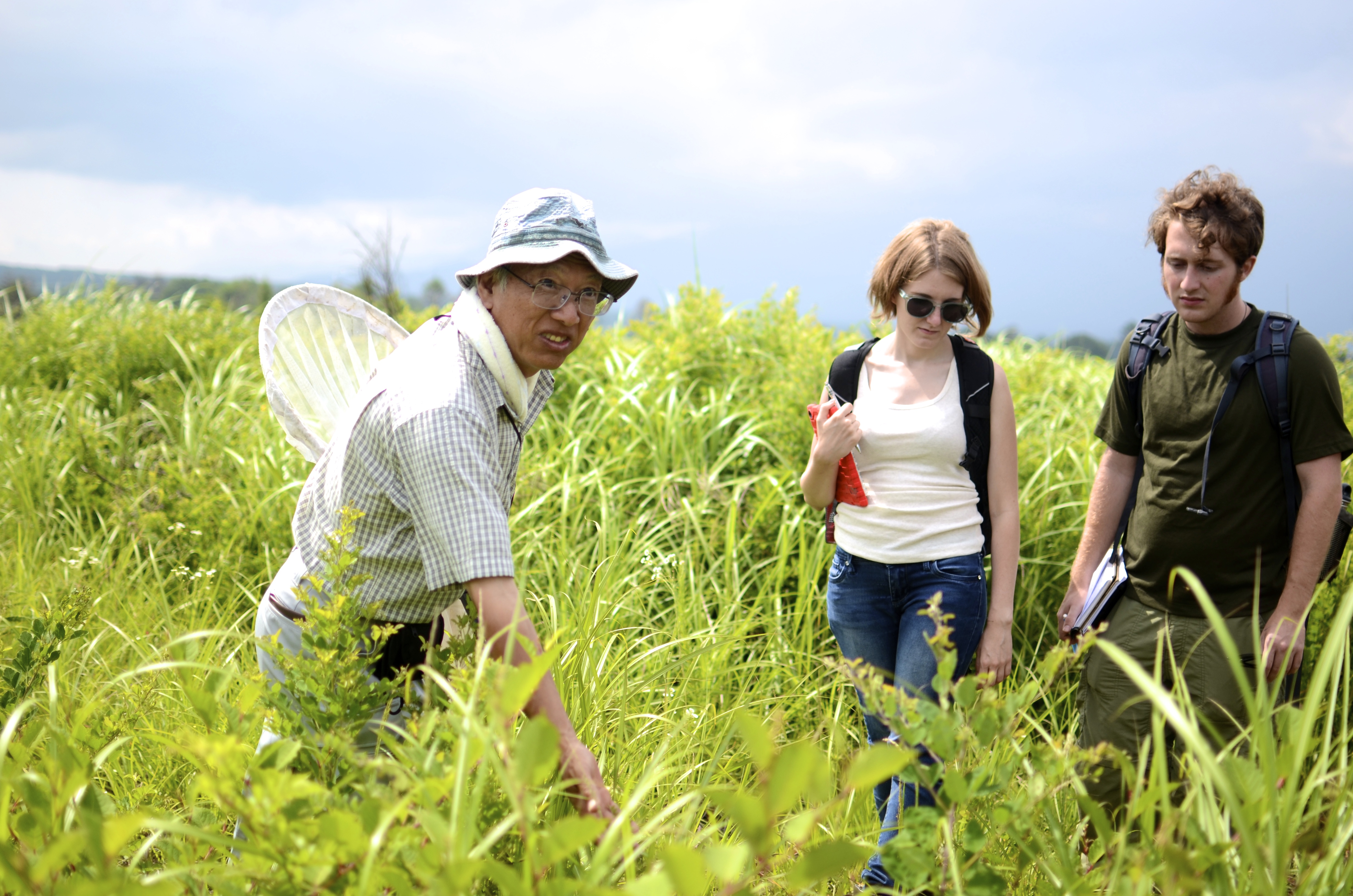
3 become 1: Creating a Concentration
Thursday September 18th marked a very special day in Environmental Studies history — we began thinking about our ENVS concentrations, which will dictate what direction we go with our majors. Instead of approaching our concentrations head on, we worked with our lab groups to produce random options. We entered a topic or object of interest and […]