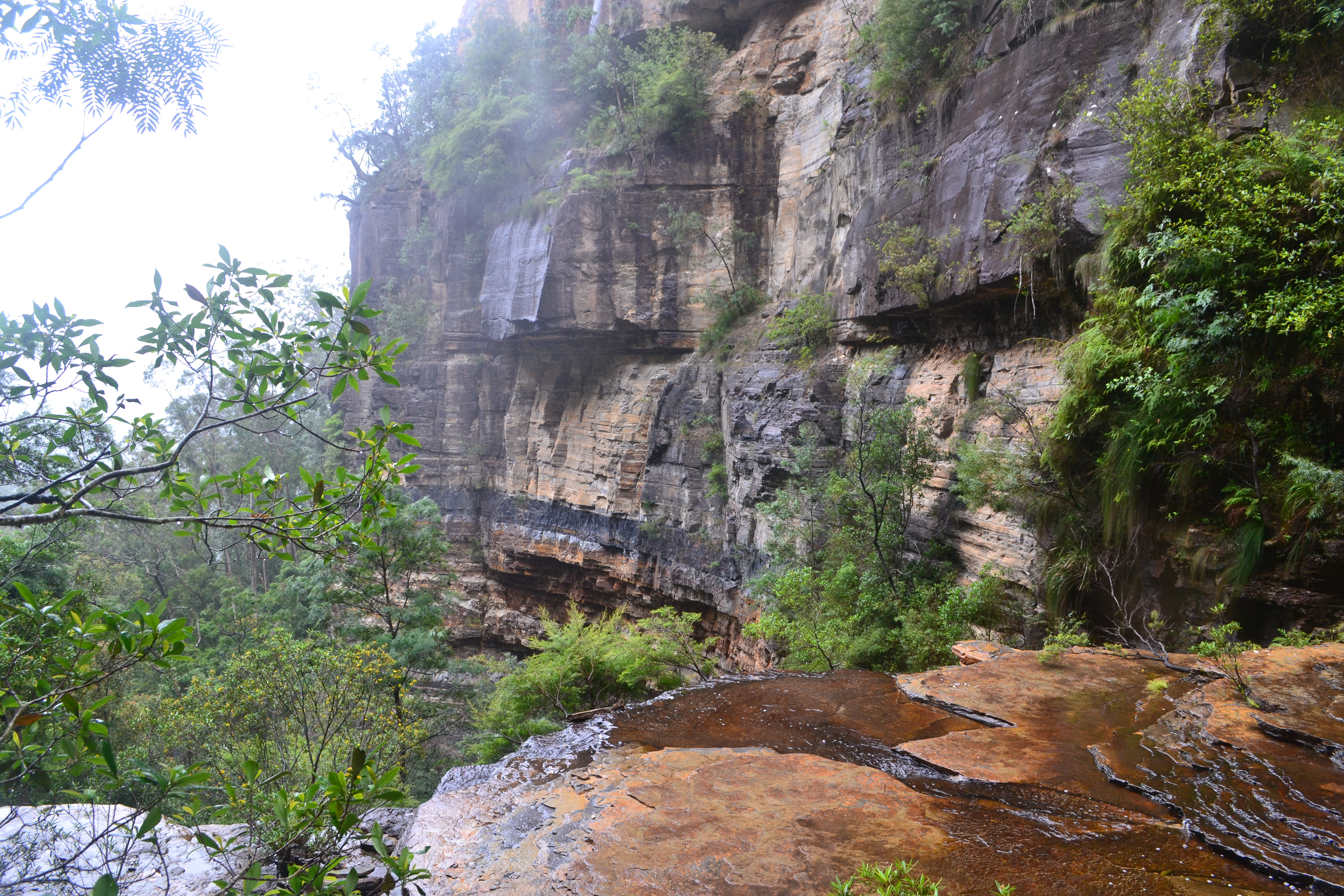
We spent our first official day in Australia touring Sydney and looking at all the landmarks such as the Sydney Opera House and the Botanical Gardens. What struck me more than the landmarks was the way Sydney integrated the old and new. Sydney built on top of the old and worked with what was already there instead of demolishing its previous infrastructures. The architecture shows some of the buildings convicts built and the changes those buildings have gone through since that time. It integrates the past and the present into a diverse cityscape.
Our classes started the next day. This week we learned about Australian flora and fauna, geography, and history. Australia has taken a long time to get to where it is today and it was originally connected to Papua New Guinea. Many archaeologists theorize that the Aboriginals initially came over to Australia through Papua New Guinea. Although the physical evidence says that they might have lived here for 40,000-60,000 years, many Aboriginals say they have been here since the beginning of time.
As for Australian flora and fauna, both have adjusted to fit Australia’s various climates. When the land was farther south, a bit after pangea happened, the climate was wetterand cooler. Now most of the middle of Australia is desert and the wetter, cooler areas are around the edges of the land. Whereas up in the far north, the climate is more tropical. Animals have had to adjust and become more efficient in the ways in which they use water due to its decreasing availability. The plants have become harder and lighter in color in order to reflect light and conserve water. Marsupials have pouches to save themselves in case there is no water for both the mother and the baby. In a long drought the mother can flip the baby out of her pouch, which allows her to survive. This just shows that Australia is highly unusual.
We went to the zoo to see some marsupials and other animals. We got a close up view of an echidna, a possum, a python, a quokka, an emu, and a kangaroo. My favorite was the quokka, which is unfortunately endangered. Quokkas are some of the friendliest creatures and this quokka even licked my nose!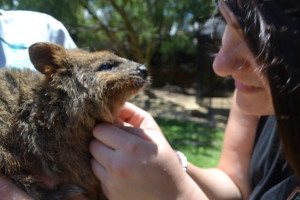
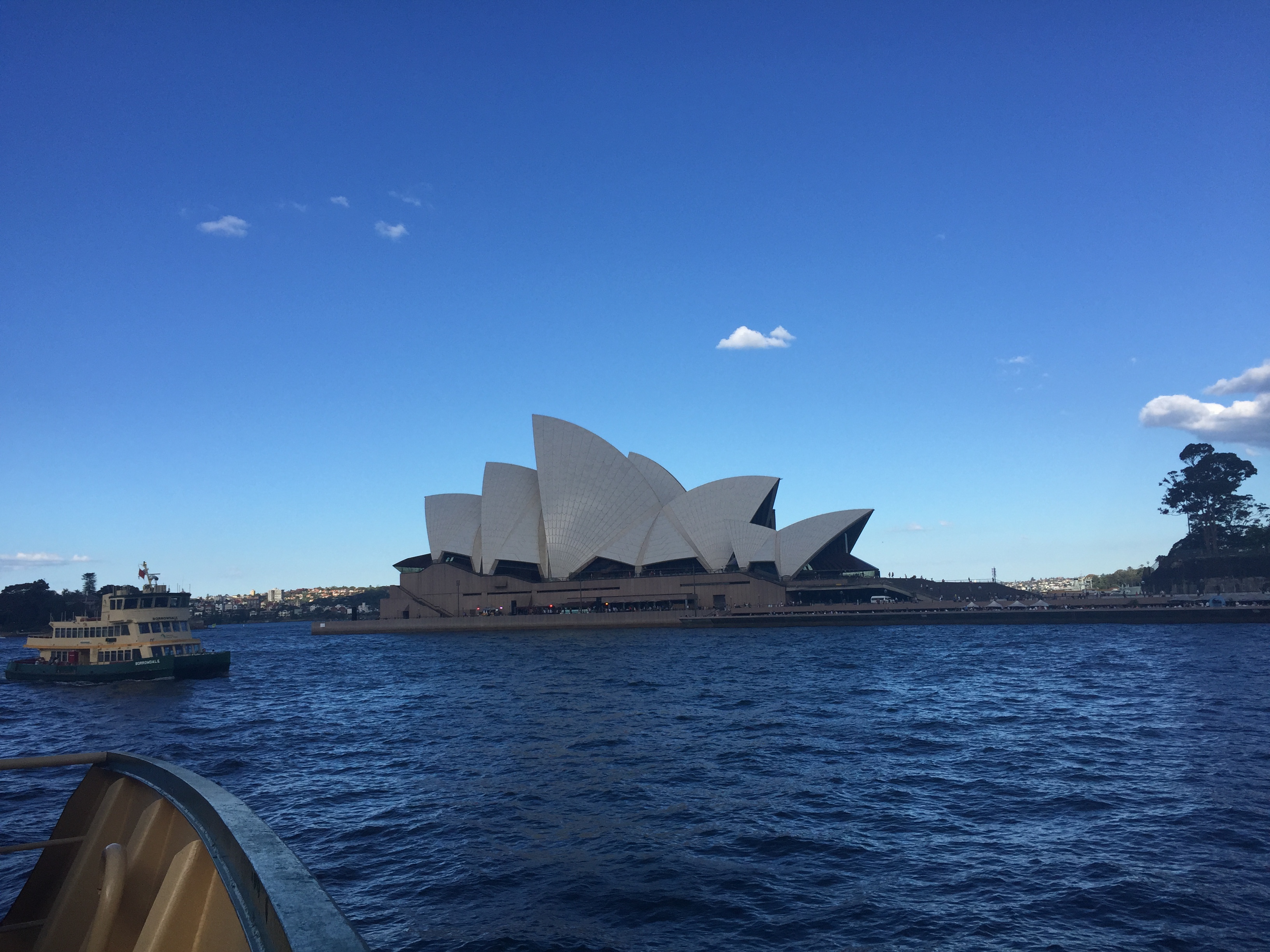
Over this weekend we went to the Blue Mountains. The Blue Mountains were important for the history of Australia because traversing them opened new areas of Australia to early British settlers. First we went to Jenolan caves and explored the wonders of the underground world. The water down in those caves was so clear that it almost seemed like there was no water at all. I was fascinated to learn that the drips from the water outside formed the stalagmites and stalactites. We also went on a bushwalk through the Blue Mountains, which was one of the most beautiful hikes I have ever been on.