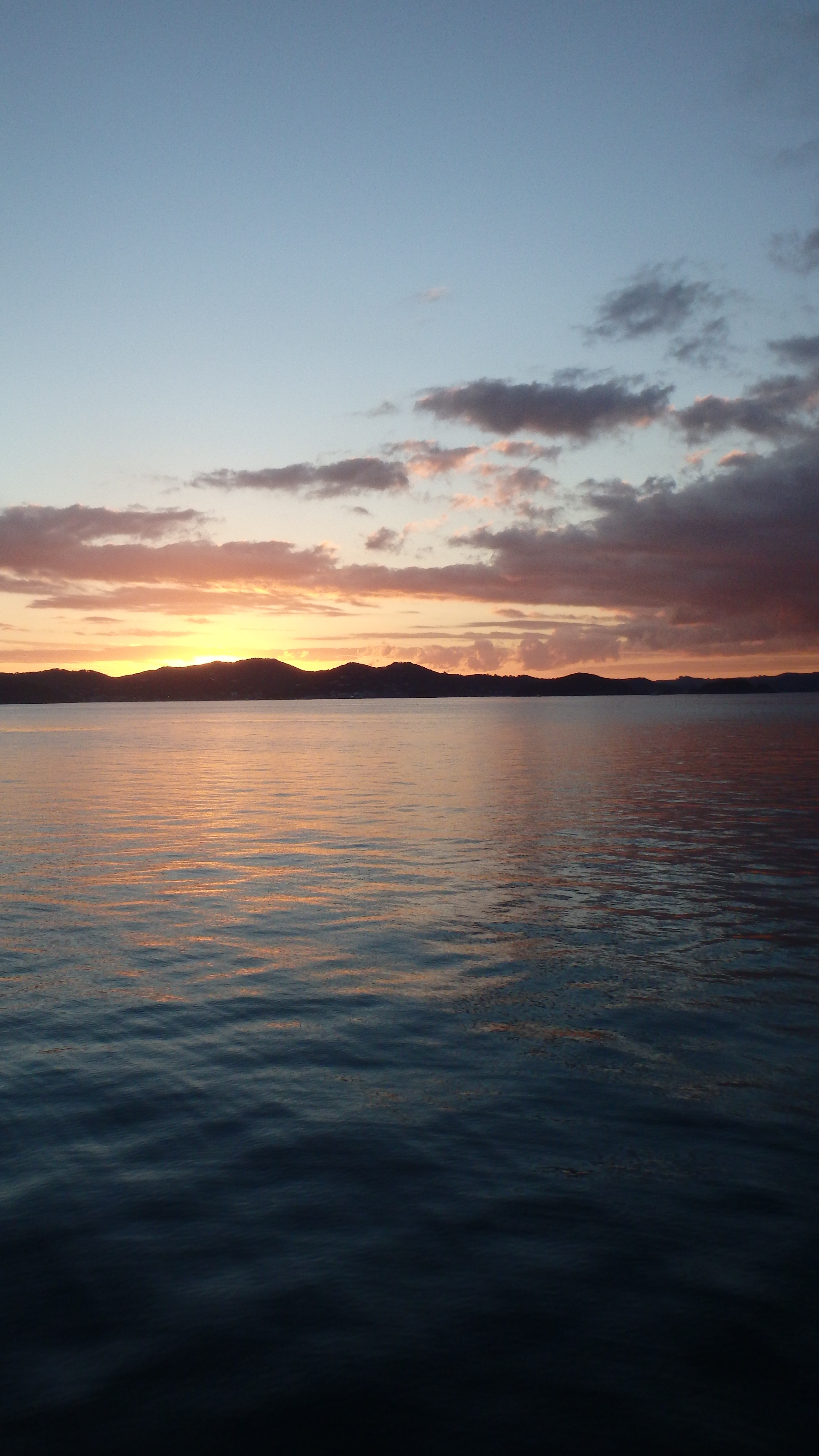
In the first week that we spent in the far north part of New Zealand, we had the opportunity to snorkel and explore both the Bay of Islands and Goat Island. The Bay of Islands is a very popular tourist destination in the summer and every beautiful beach and bay that we visited while we were there was occupied by at least 3 boats.
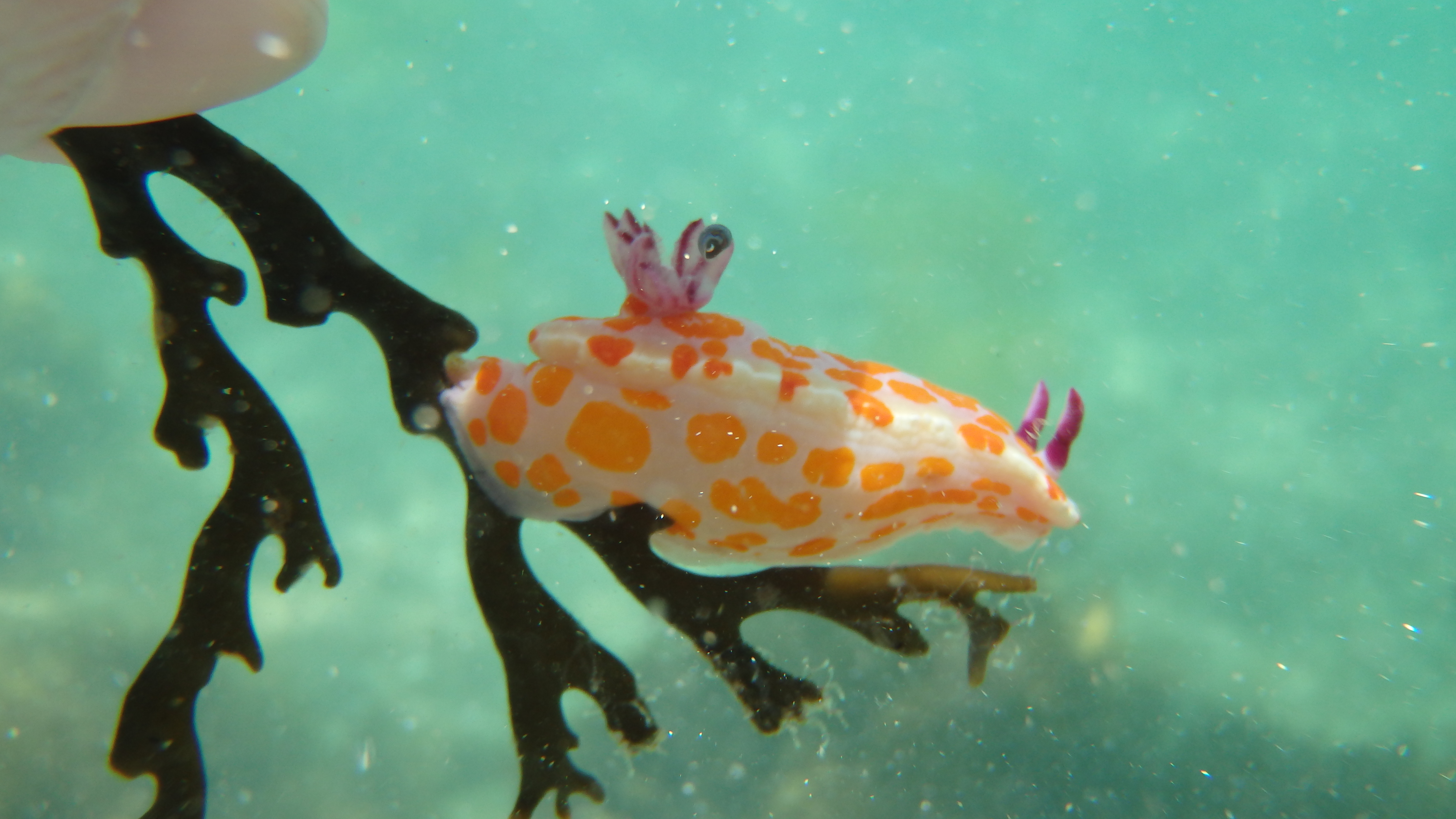
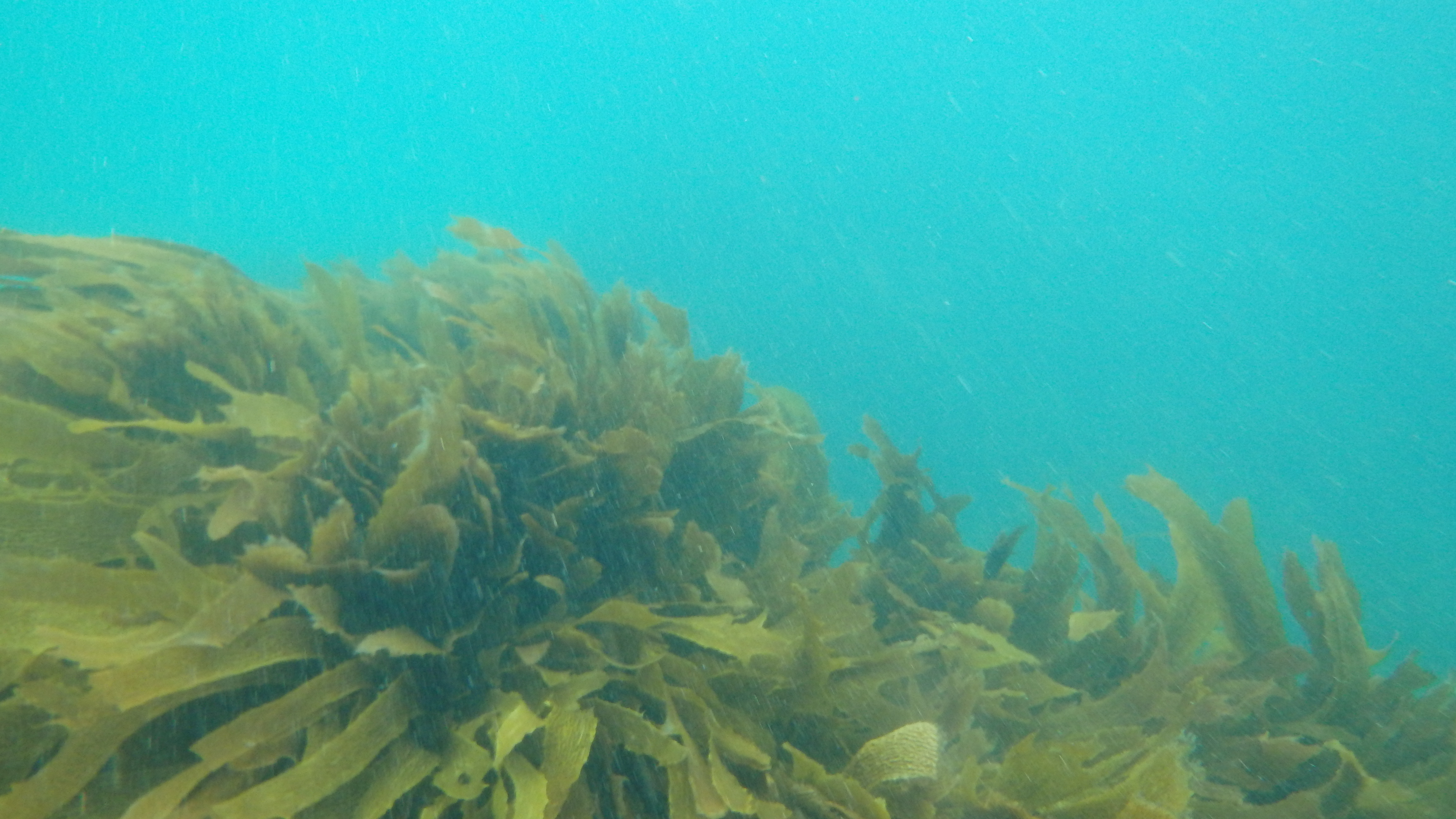
Goat Island, on the other hand is the first marine reserve to be established in New Zealand. Its status as a marine reserve means that is a strict no take zone and there are no boats or fishing allowed. Despite its status as a marine reserve, it is also a very popular destination for scuba diving, snorkeling and sun bathing. Unlike tropical marine reserves in many other parts of the world, the number of people who enter the marine reserve each day for recreational activity is not regulated. There was no entry fee for the park and we did not see a single ranger or patrol enforcing the no take policy. At first, this lack of regulation seemed shocking.
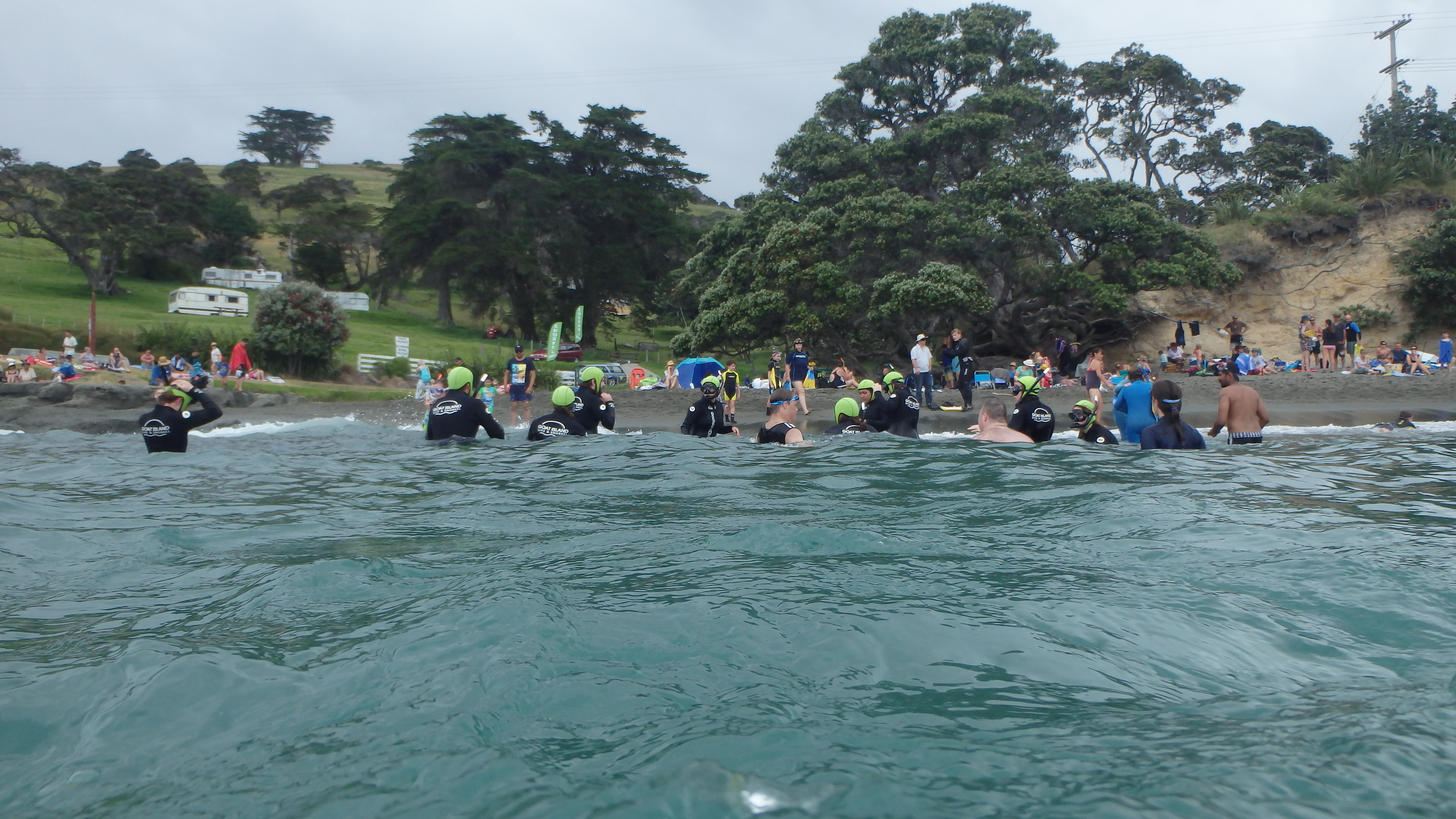
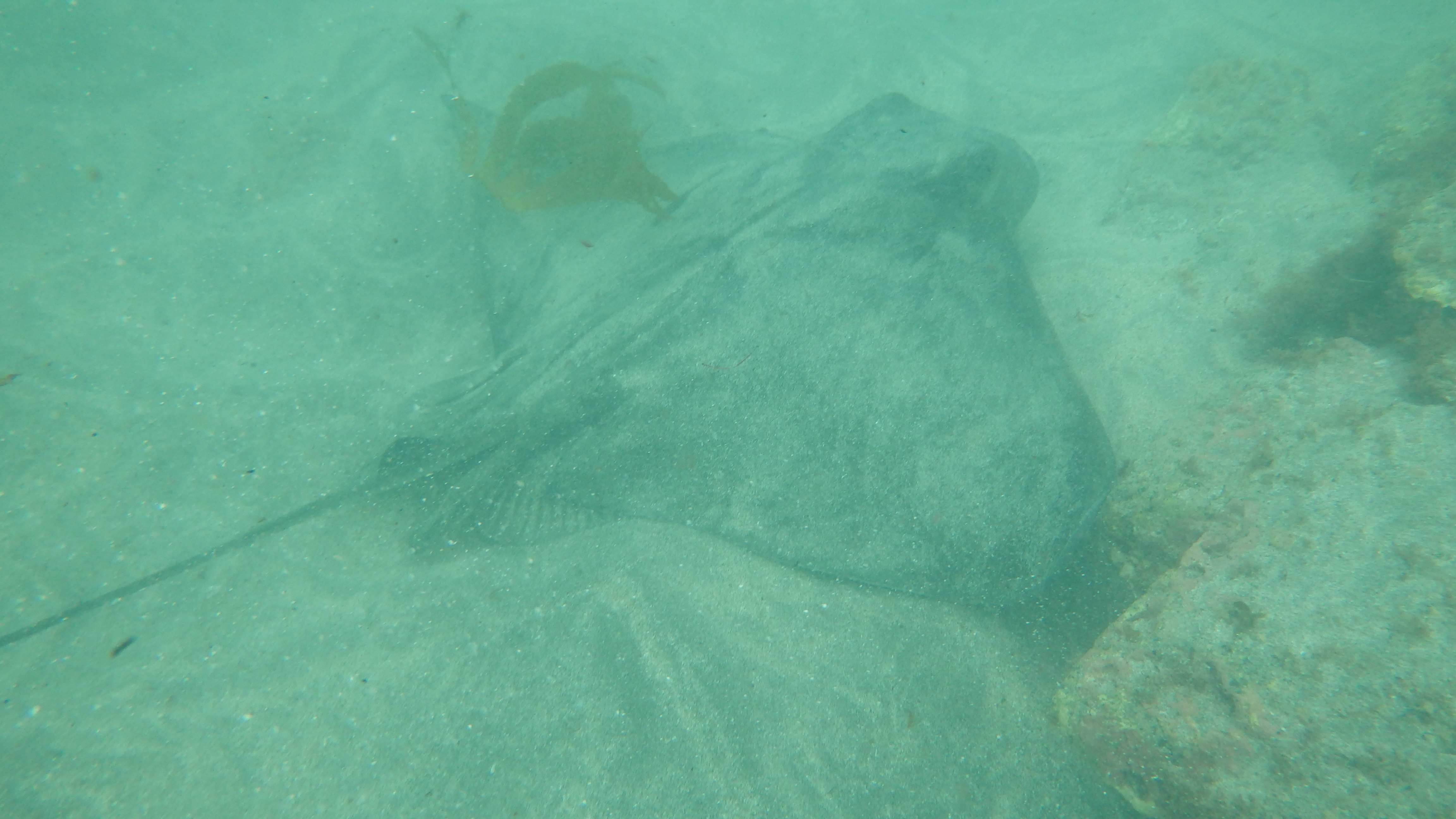
A representative at the marine education center told us that the reserve had originally been established for research purposes and that there is a high level of compliance with the marine reserve rules and restrictions among the people who visit. Unlike in the Bay of Islands, where we pulled urchins off of the rocks in order to eat them for dinner, we were not allowed to collect anything while we were snorkeling in the reserve. There was a much greater diversity and abundance of fish life in the reserve than we saw in the Bay of Islands, however the hundreds of snorkelers standing on the rocks and kicking up the sand made a noticeable impact.
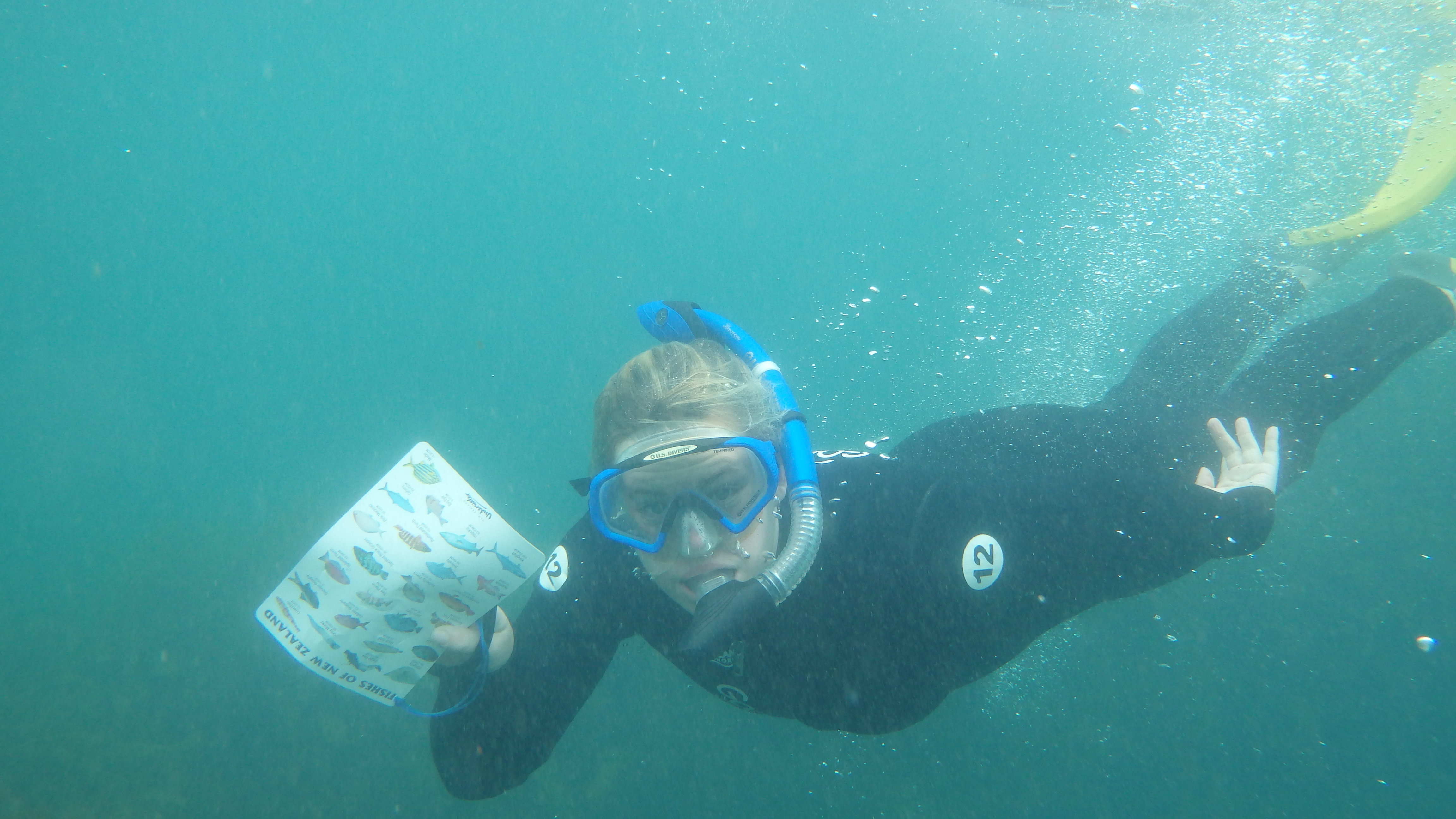
Comparing these two experiences raised some interesting questions about marine conservation and about the tradeoffs of establishing marine reserves and regulating fisheries in New Zealand.