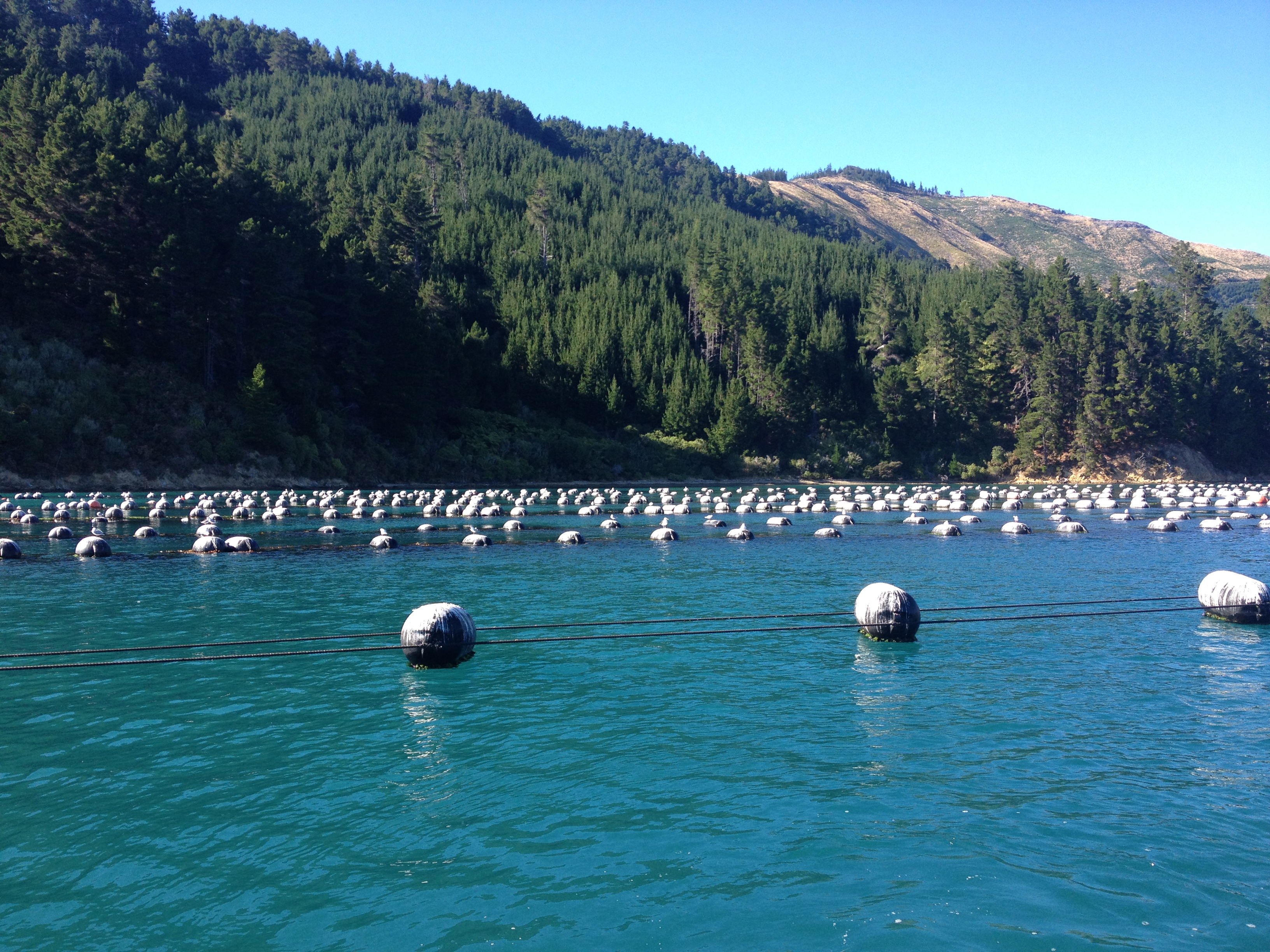
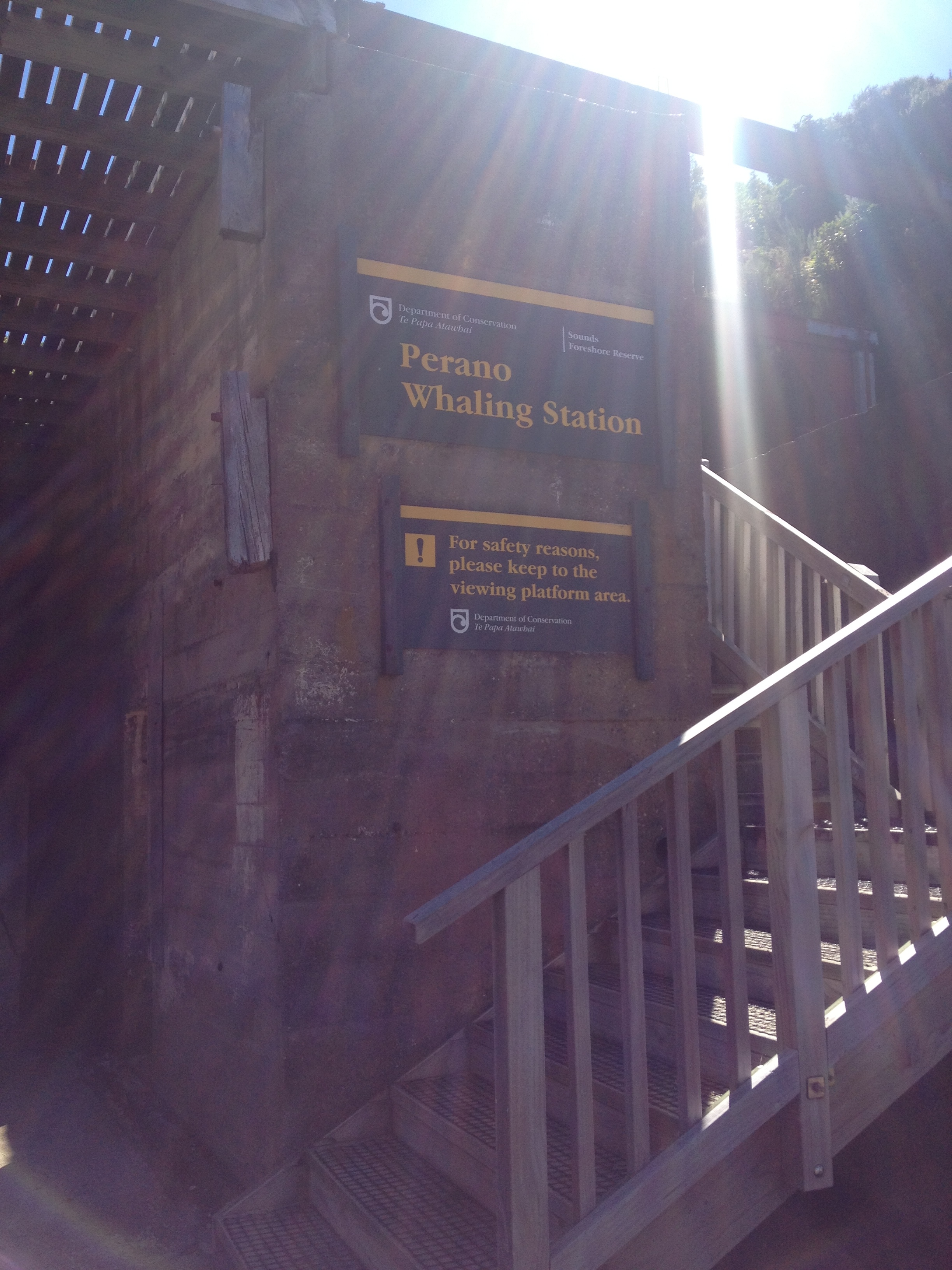
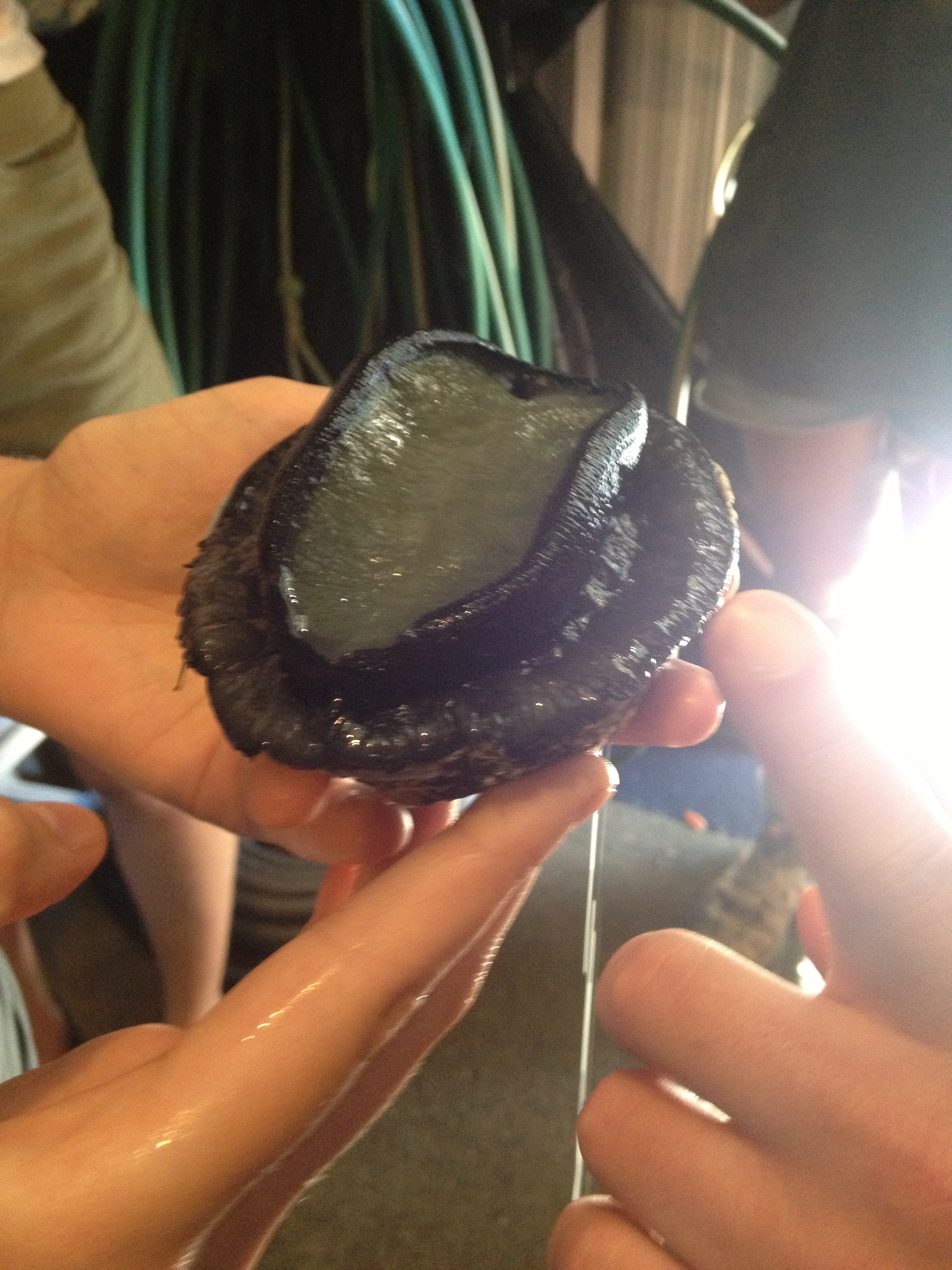
Our second field trip went by so fast. On this field trip we made our way down to the south island, stopping at places like Picton, and Lake Rotoiti in Nelson Lakes National Park. While in Picton, we focused on agriculture and conservation efforts. We visited fish, oyster, mussel, and paua (abalone) farms, and a whaling station. During this field trip I rode on many boats and discovered that on large ferries and long rides, I get sea sick. But it was all worth it.
One day, we went whale watching, a wonderful experience. It’s not everyday you see get to see a sperm whale out in the great blue wild ocean. On our way out to seek a whale, the waves were so big causing the ferry to sway a great amount, the movement was too real. As I looked out the window all I could see was the ocean and no land nearby. This all made me very light headed and nauseous. I was immobile while seating in a back seat, holding a barf bag. I had taking sea sickness pills but apparently you need to take those two hours in advance. Regardless of the struggle, once the crew members had spotted the whale, I managed to make it outside and witness the beautiful sperm whale. During their migration, whales come up to the ocean surface for about 15 minutes to take a few breaths and then go back in to continue their journey underwater. After watching it submerge I saw its tail slowly and gracefully go down.
Aside from whale watching, our second field trip consisted mostly of us executing our self-designed projects. My group of six focused on birds throughout Lake Rotoiti and whether or not their behavior was affected by the amount of pest presence. Over the course of three days we looked at birds in pest controlled and minimal pest controlled forest areas. We would go out in the mornings looking for birds and jot down how many times they behaved a certain way. Of course, there was more structure to our project than I’m stating here. But it was a fun experience because we mastered how to identify bird calls and interacted with them. There were a few robins that would come really close to us and fantails that would follow us. We then had to give a presentation to our professors and peers. I personally think we did awesome. All the groups had very interesting data and experiences.
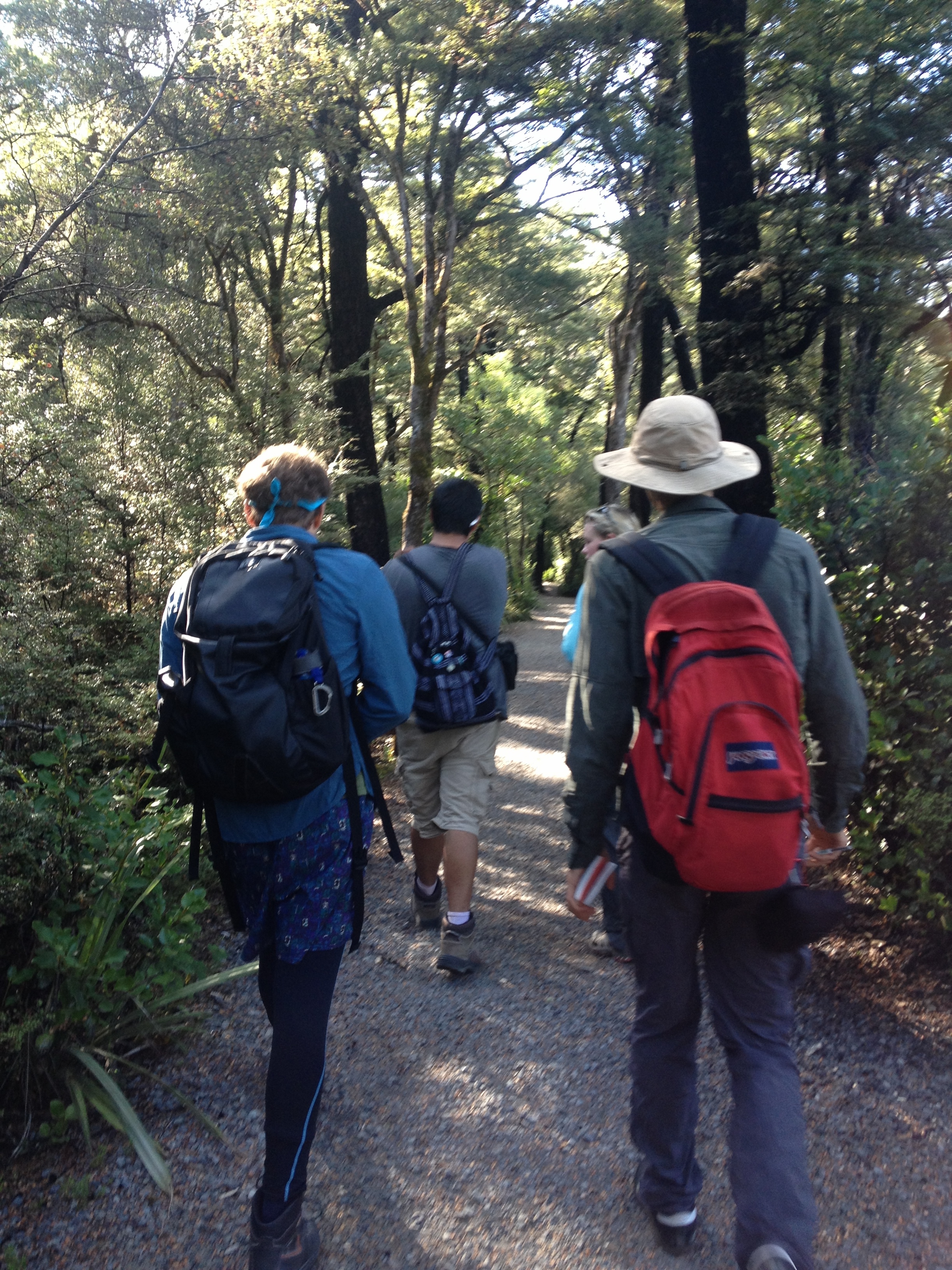
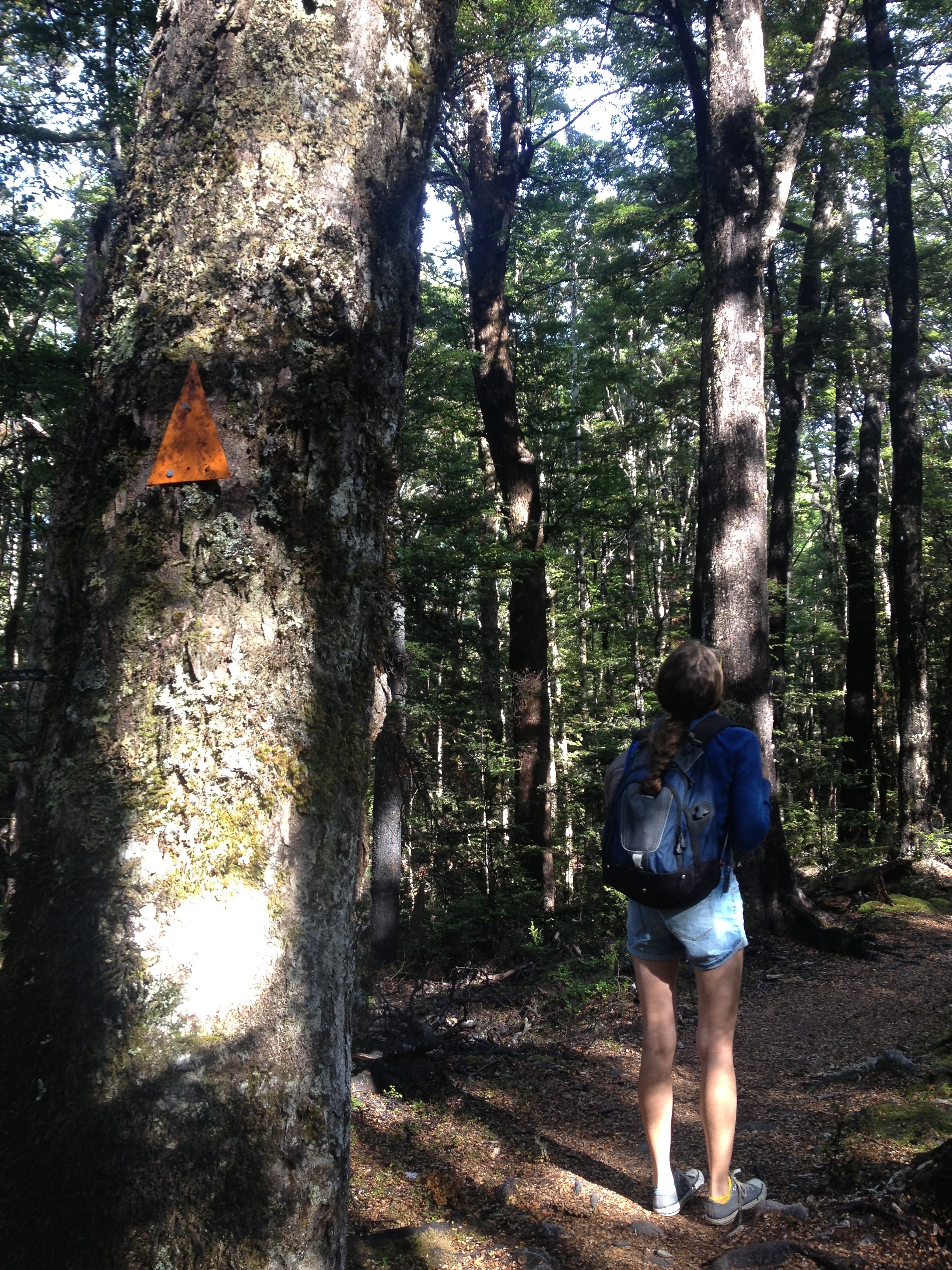
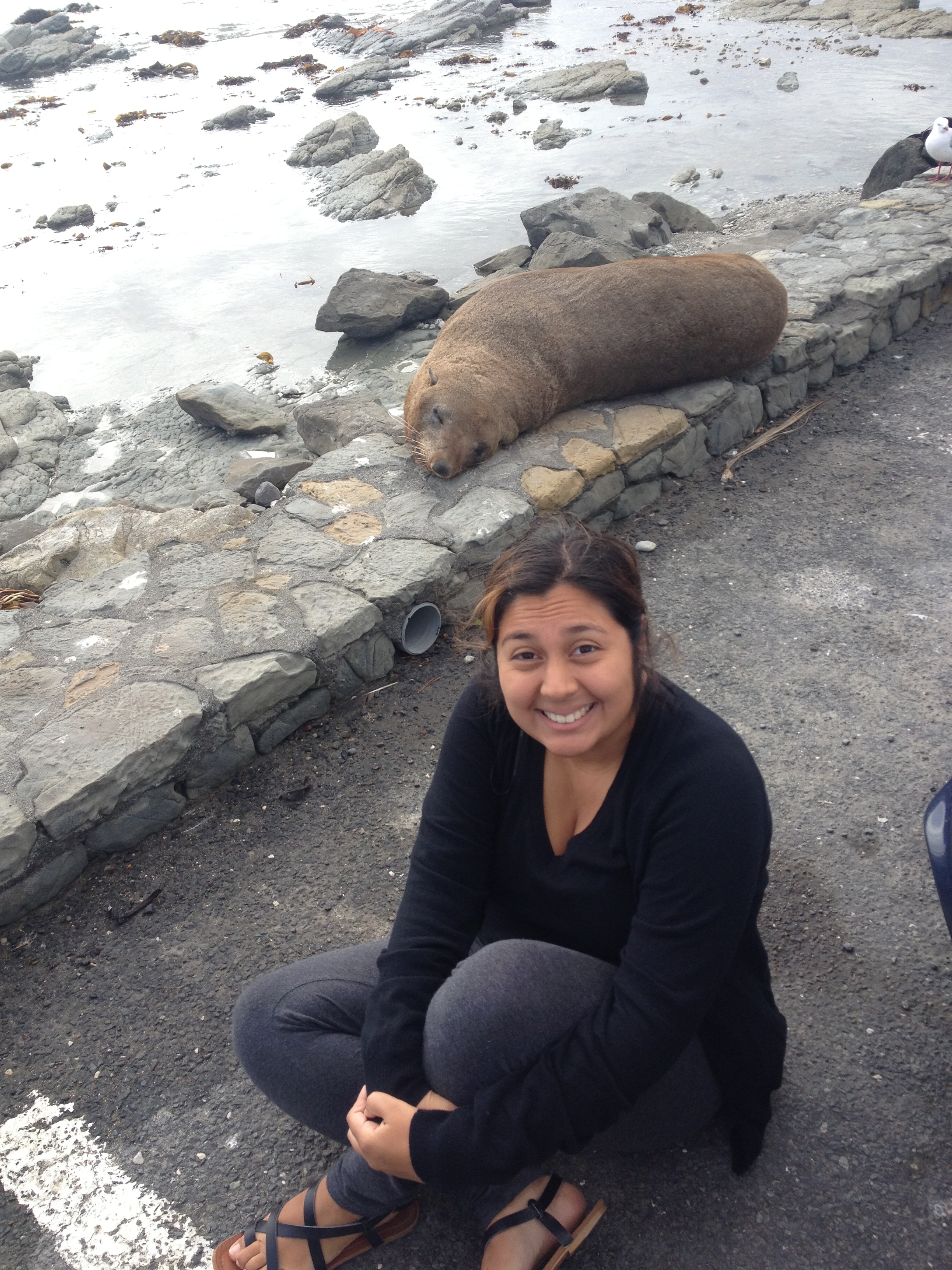
When visiting the salmon farms they provided us with salmon and I tried raw fish for the first time! The smoked salmon I was able to eat but the raw unaltered salmon I could not swallow. I felt bad because this was on a agriculture tour but they seemed very understanding. On this day, I saw my very first New Zealand fur seal basking in the sun. It was the most adorable thing I’ve seen that day.
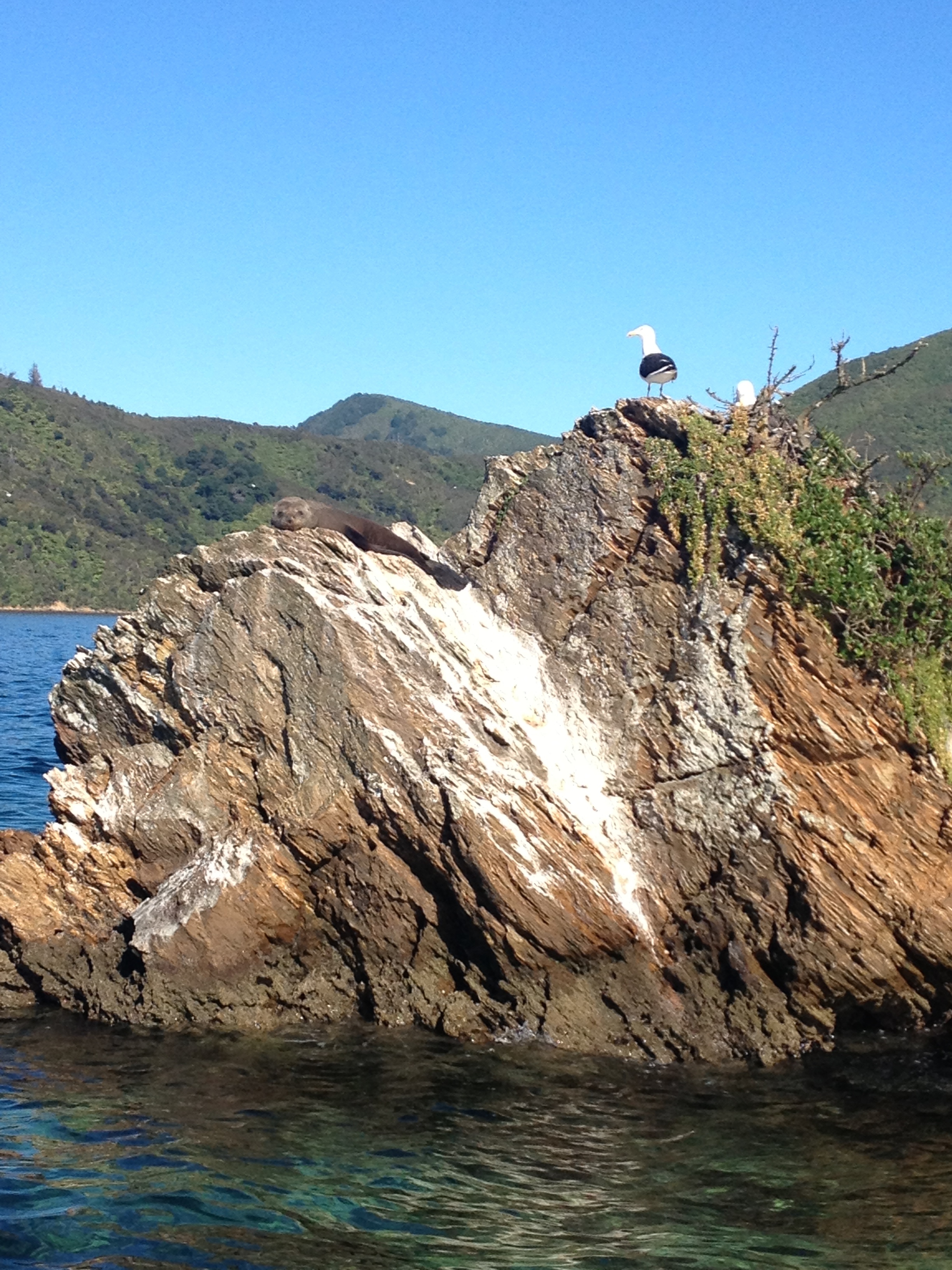
Another time we went out kayaking, Lisa Osepyan and I were partners and this was fun for many reasons. To begin, we gave our hosts nicknames: FrayFray and T-Rav. They were very playful and fun so this was acceptable. The kayak we were in had pedals in addition to paddles that the person in the back had to use. This really improved my kayaking skills. Lisa and I paddled for a long time and came across tons of fur seals and their pups, shags, tiny fish, and some caves. We ended up coming in first out of the group. Additionally, there was a time where we went hiking and the seals were literally within reach. If I wanted to poke it, I could have. For the record, out of respect I did not.
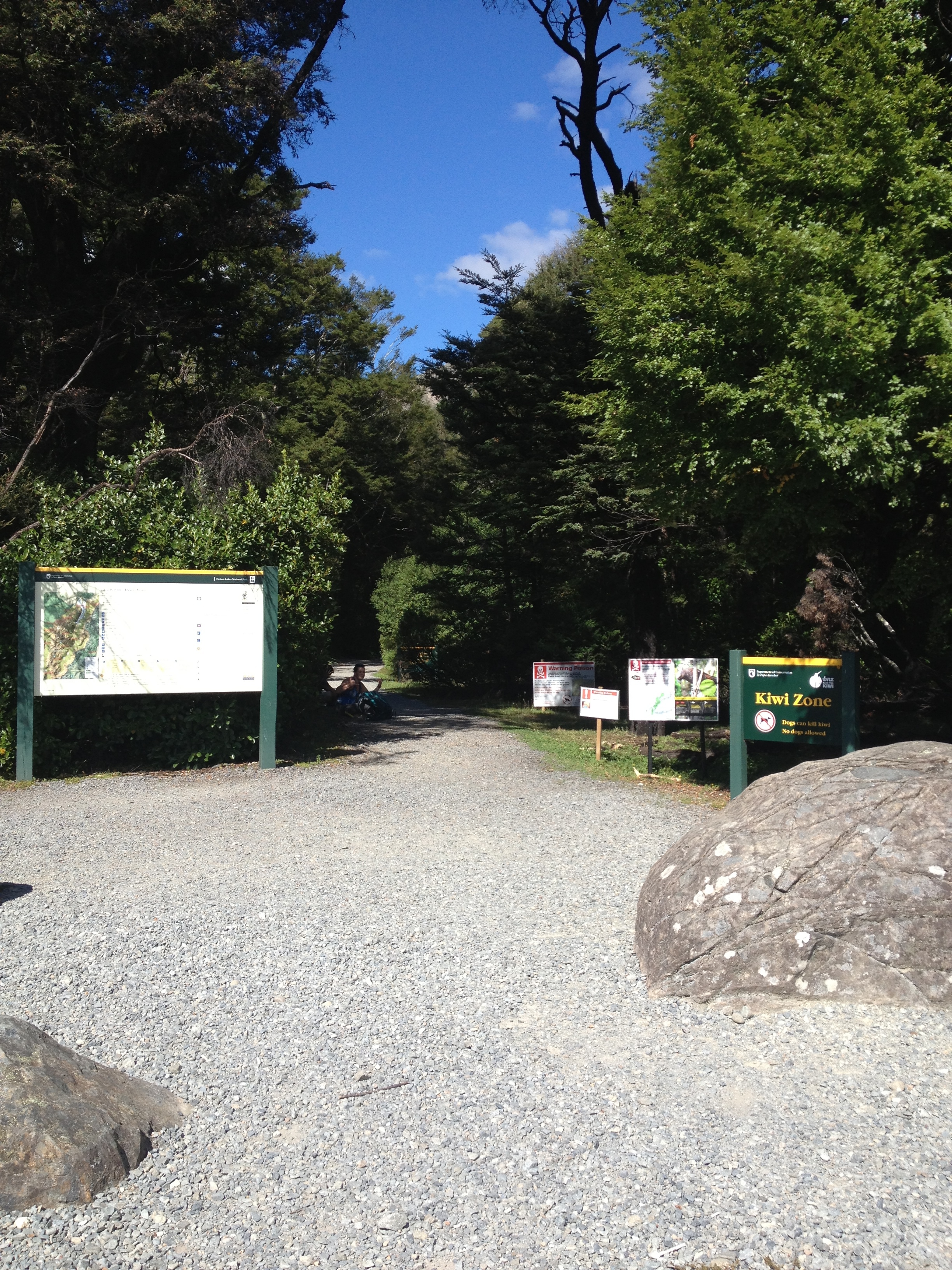
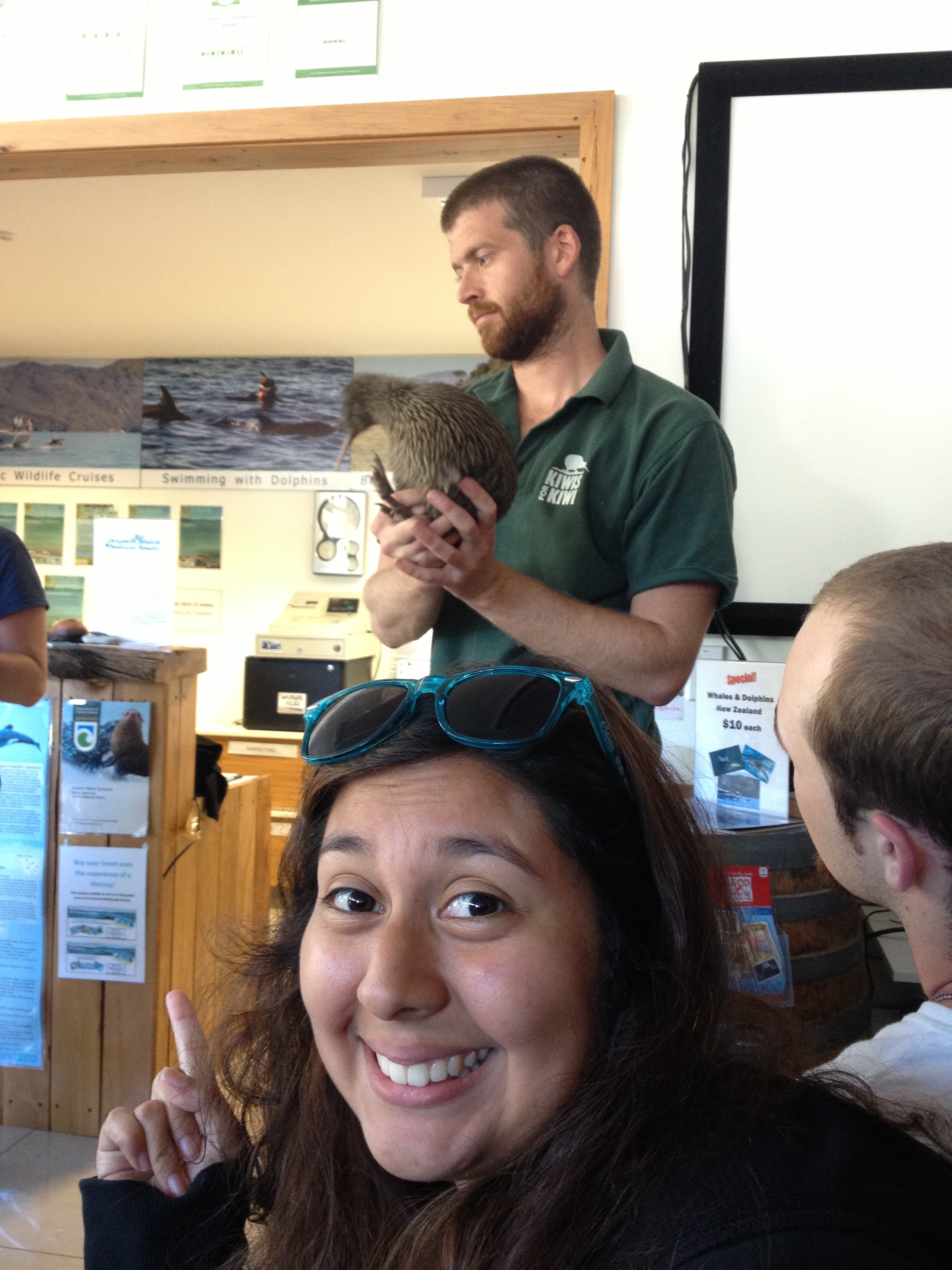
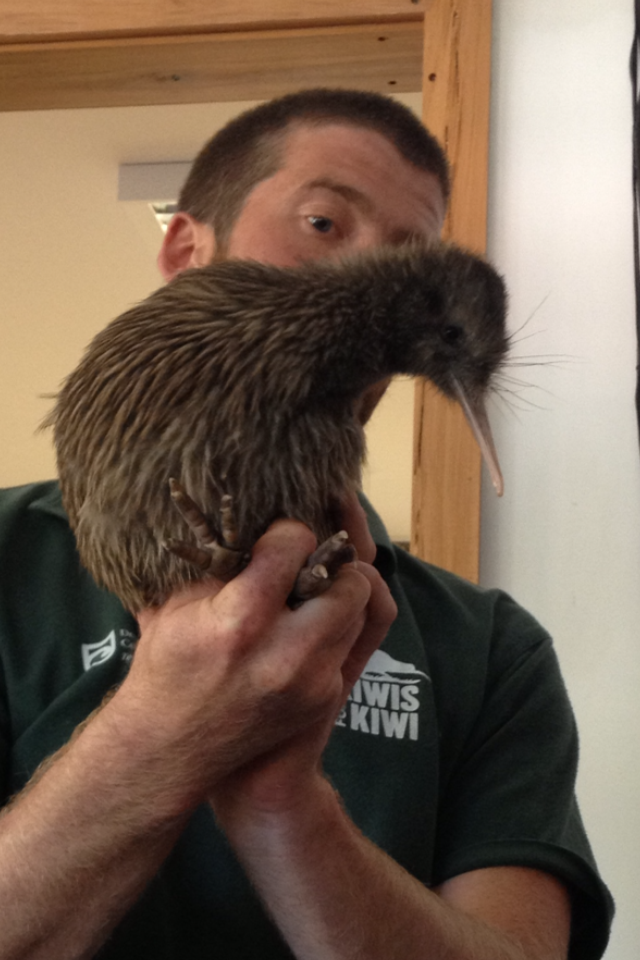
Throughout this trip we experienced a great amount of marine wildlife and birds. There was one day that we sought out to see hector dolphins, one of the smallest dolphins ever and threatened New Zealand endemic creatures. We saw these dolphins swim in groups, swimming in and out of the water, they came pretty close to us. A few of us got to sit at the front of the boat and got a good view of them. They were adorable! In addition to dolphin viewing, one of the best parts about this second trip was the fact that we finally got to see kiwis! Kiwis have been a huge portion of our studies and are the birds that represent New Zealand. There is a huge conservation effort to help increase their population and protect them from introduced pests such as stoats. The kiwis that we saw were juveniles and were off to an offshore Island that was pest free to live their life there.
In light of culture we visited a marae and actually performed. Visiting a marae involves a huge amount of maori tradition. As we enter, the group of women must be in front of the men. But the men must sit in front of the women once the ceremony begins. Once we have sat, a male of maori descent speaks to us and then his side of the audience performs a song and then we respond with a maori song. Every field trip is so enriching and once its over we head back to our home base: Wellington, NZ.