One of the things we love about Portland is the food culture, and as a result we’ve been very interested in the similarities and differences between Australian and U.S. approaches to food throughout our stay. In many ways, Australia and the United States have strongly overlapping food cultures. Familiar meats, vegetables, and fruits abound. But there are some interesting differences. Some of them are minor: cooked tomatoes with breakfast, as in England. Not as much pizza but much more banana bread. Menus are much more meat-oriented than in Portland; steaks and burgers are everywhere, and meat just tastes meatier. There has not been as much seafood as I had expected from a country whose population largely hugs the coast, except for fish and chips (thanks again to England). Beetroot (beets, to us) and pumpkins are important vegetables. More tropical fruits (heaps of passion fruit and locally-grown bananas at farmers markets). Ice cream often ends up on top of breakfast foods like pancakes and waffles. Beer in Australia is mostly average compared to Portland microbrews, but nearly every wine I’ve tried has been good and not very expensive.
With that (overly) broad set of generalizations, I want to focus a bit on a couple of differences are more notable:
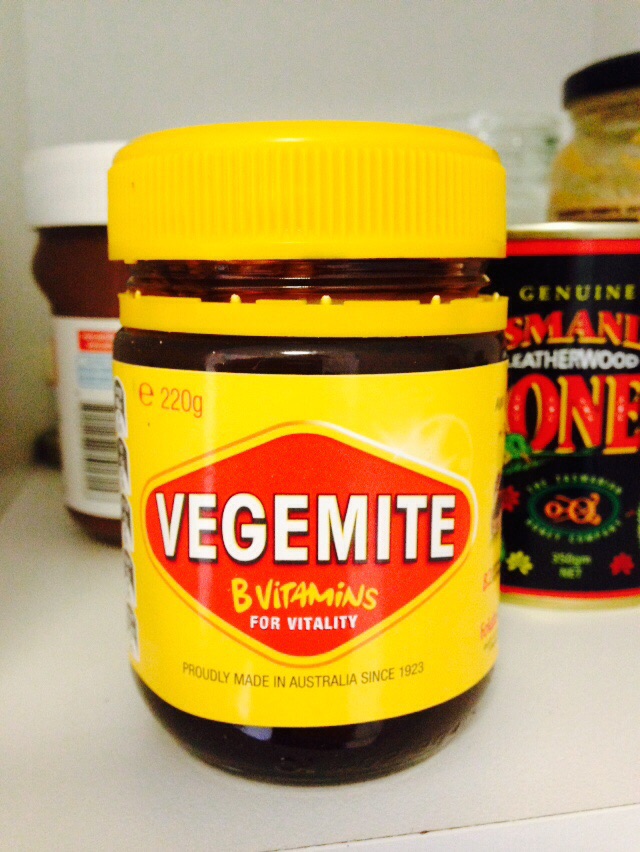
When our family was on the flight from Brisbane to Hobart at the start of the spring break week, I was seated next to a family of three: a mother, a dad, and a toddler. The toddler had something brown smeared all over his face. I assumed it was chocolate, but when the dad asked the flight attendant for a wipe, he informed her that the smear was Vegemite. The flight attendant chuckled and handed over the wipe. No doubt some readers have already said “yuck” to themselves. But Vcgemite is definitely part of Australia’s self-image. If the U.S. has baseball, hotdogs, apple pie, and Chevrolet (not sure about that last one anymore), then the Australian list would be something like footy, Vegemite, Lamingtons, and Holden. What is Vegemite? According to Wikipedia, vegemite is “a dark brown Australian food paste made from leftover brewers’ yeast extract with various vegetable and spice additives developed by Cyril P. Callister in Melbourne, Victoria, in 1922.” Yum! Despite that anything but appetizing description, I’ve unexpectedly developed a taste for it. On toast with butter, peanut butter, or by itself, Vegemite turns out to be a nice alternative to jam or honey. Really. Give it a try – you can buy it at Fred Meyer (hopefully it has a long shelf life).
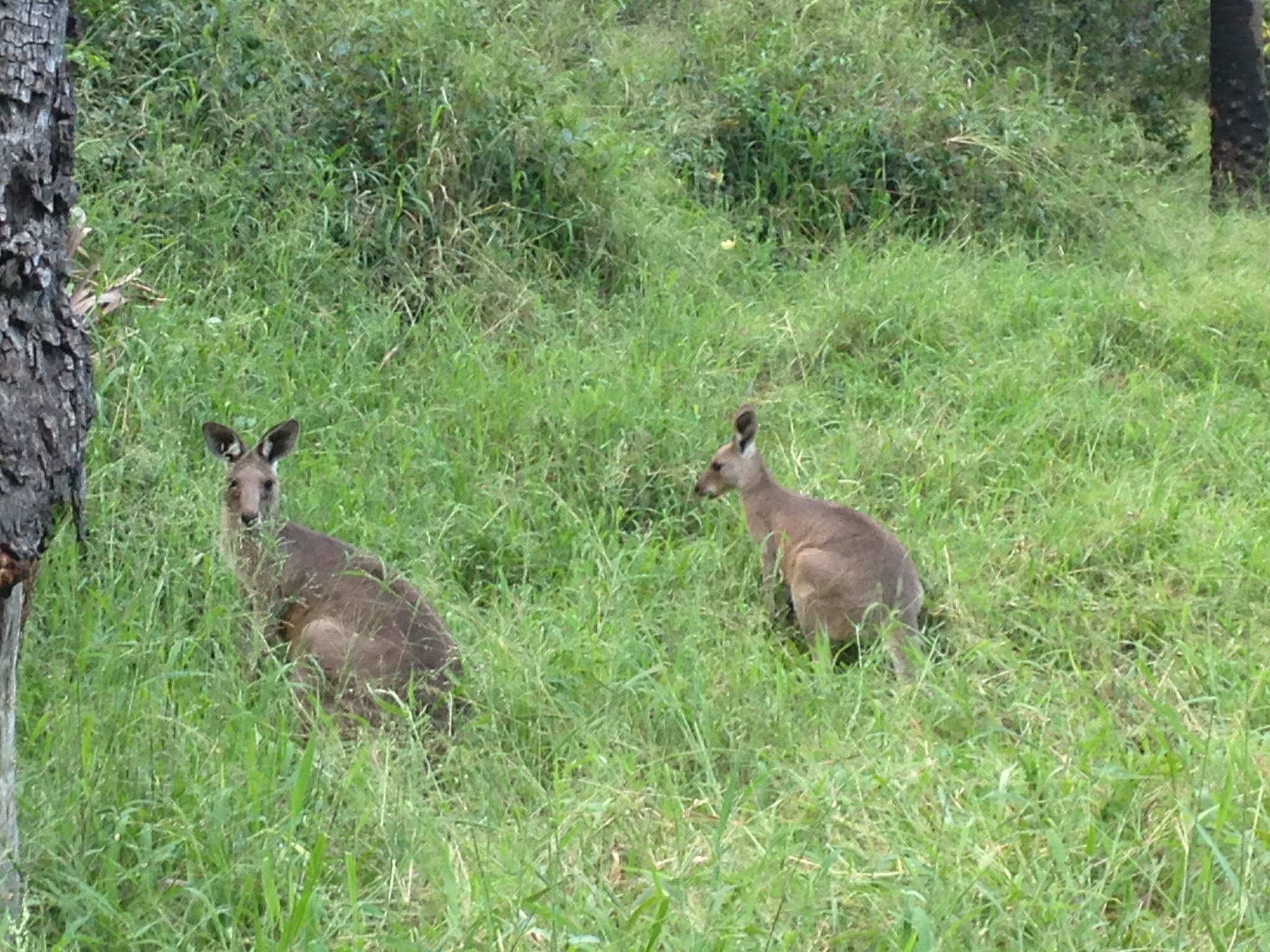
Several times now, we’ve had the chance to eat kangaroo or wallaby. Those cute marsupials turn out to be a good protein source, too. If you think of them less as adorable creatures and more as deer that happen to hop, perhaps it is easier to think of them as food. They are not on the menu all that often, but we’ve encountered ground kangaroo (not too bad), kangaroo steaks (a bit tough), wallaby filets (good but a little chewy), slow roasted kangaroo (like a beef brisket, and just as good), and kangaroo jungle curry. I’m not in a hurry to add kangaroo to my diet back home, but it’s been interesting to give it a try.
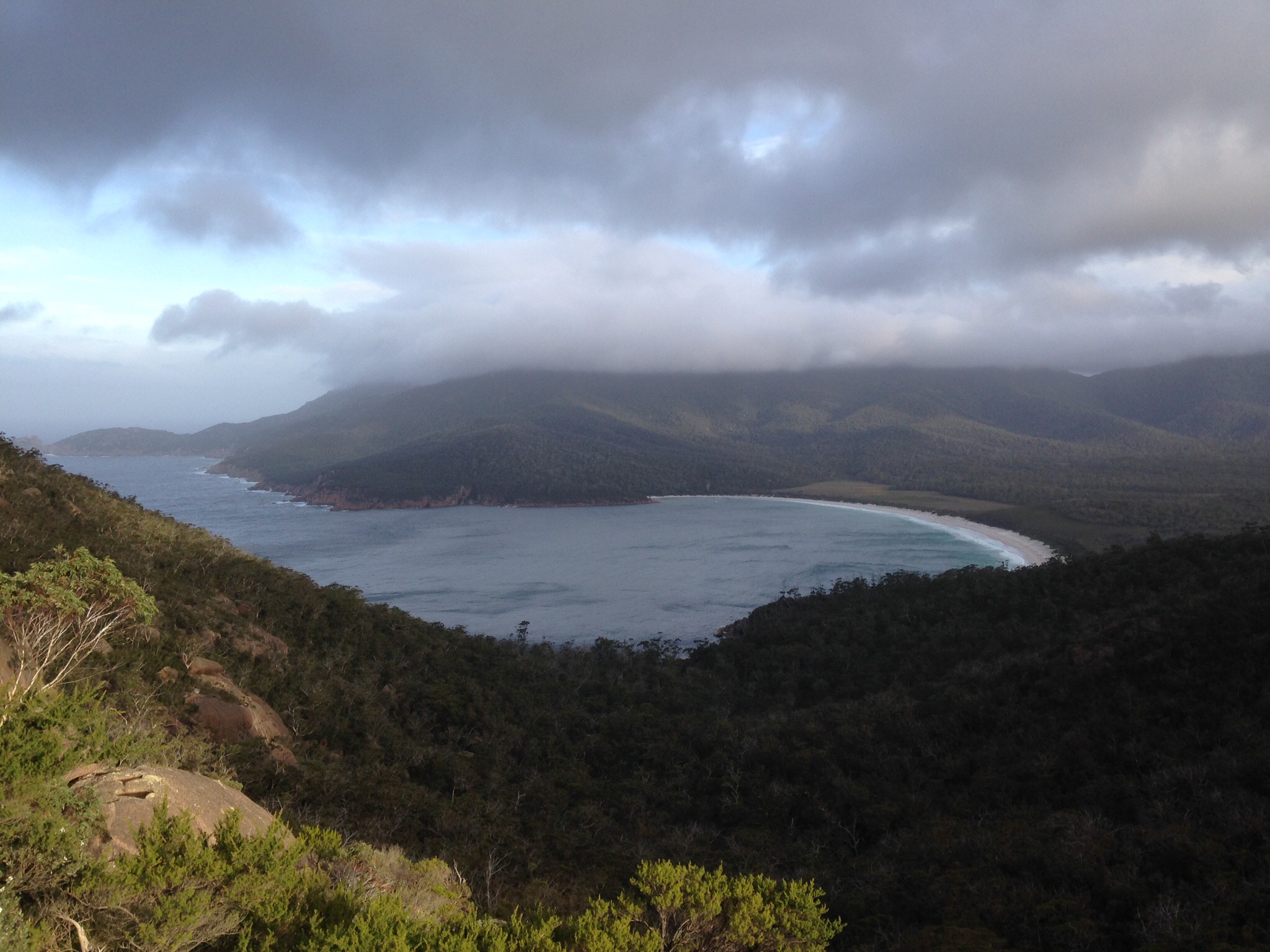
Also worth mentioning in this context, although not at all as a difference (and only partly with reference to food), is the state of Tasmania. Perhaps because it is a bit out of the way and was sometimes cloudy and chilly, Tasmania reminded us of Oregon: gorgeous parks, rugged coastline, and small cities and towns that surround farms and vast pastures. This is Wineglass Bay:
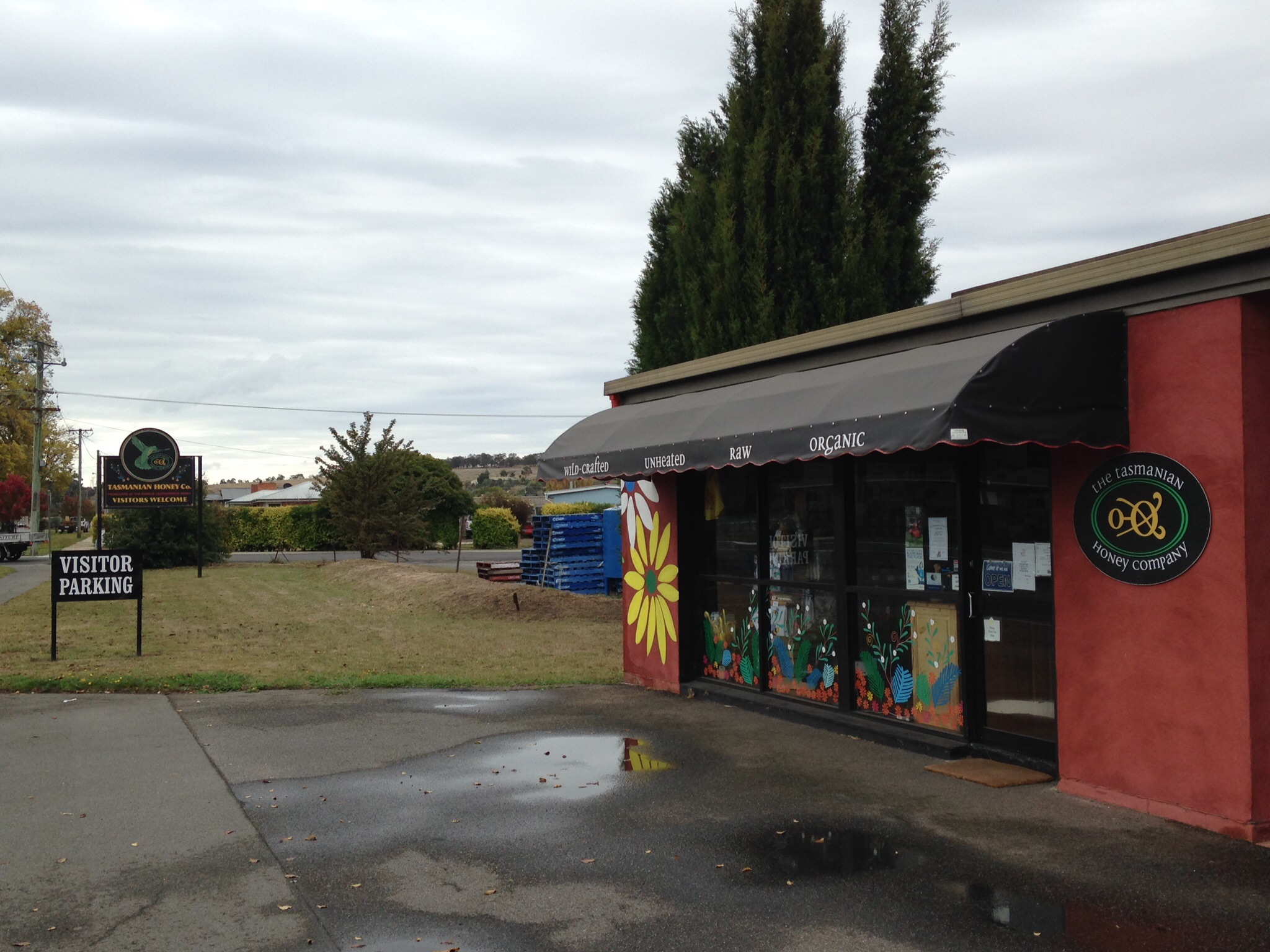
Not to mention wonderful food and wine. Our meal at Ethos Food and Drink in Hobart was the splurge of our trip, and well worth it for the inventive combinations of ingredients, nearly all of them local. Tasmanian honey is wonderful, and it is the only place in the world to get leatherwood honey. Here is where to get it:
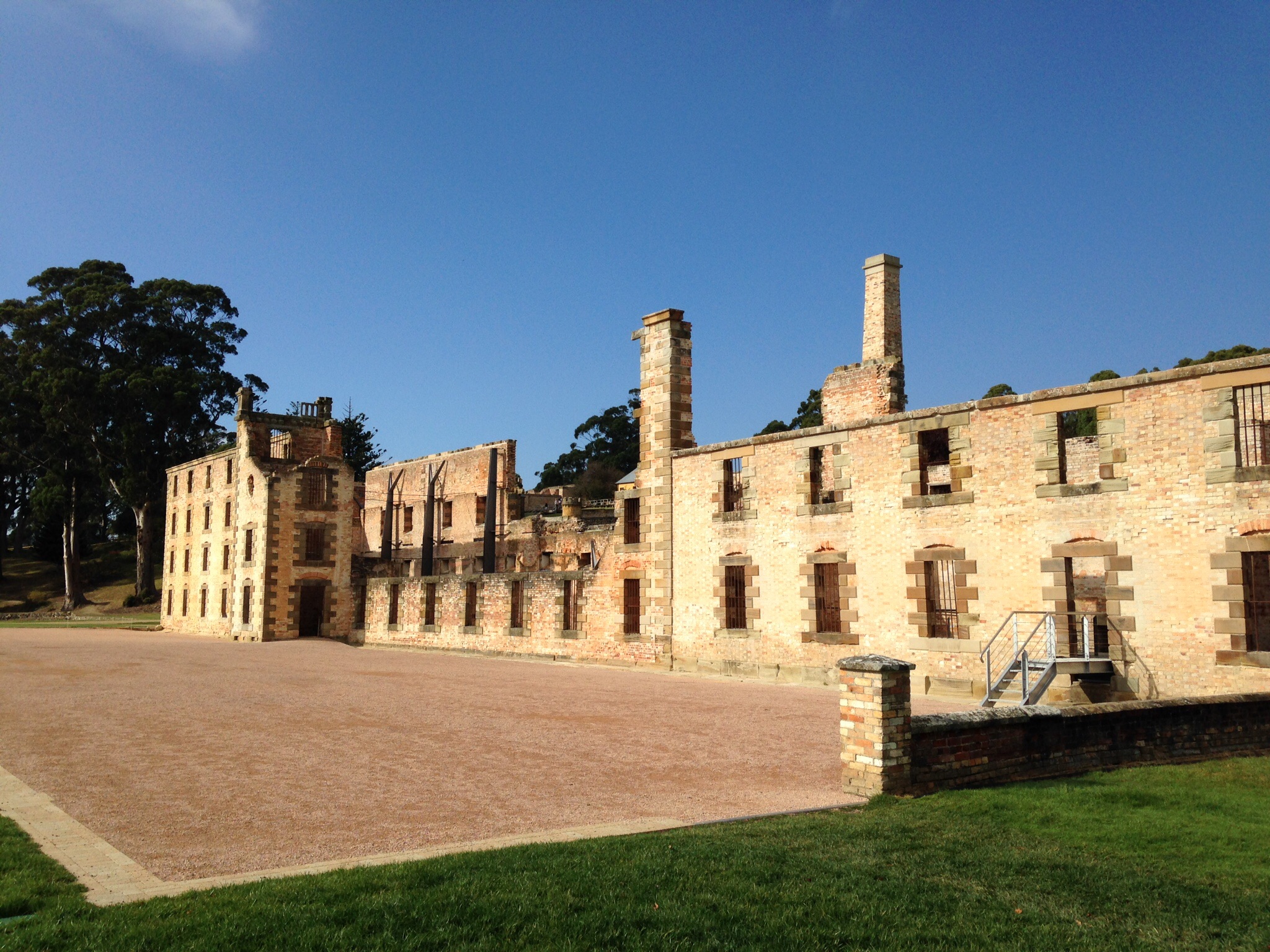
In several places, fresh crisp apples were set out in baskets, free to anyone who wanted one. Also like Oregon, Tasmania has some interesting features that belie its otherwise sleepy aspect. Hobart is not in the same league as Sydney, Melbourne, or Brisbane, but it is a lovely city. (And the MONA – Museum of Old and New Art – that sits on the river outside of town does its best to shake things up a bit.) Together, Hobart and the second largest city, Launceston, provide concentration points for Tasmania’s amazing food, wine, and design cultures. Notably, too, the ruins of the prison settlement at Port Arthur provide an excellent opportunity to reflect on the convict origins of Australian settlement.
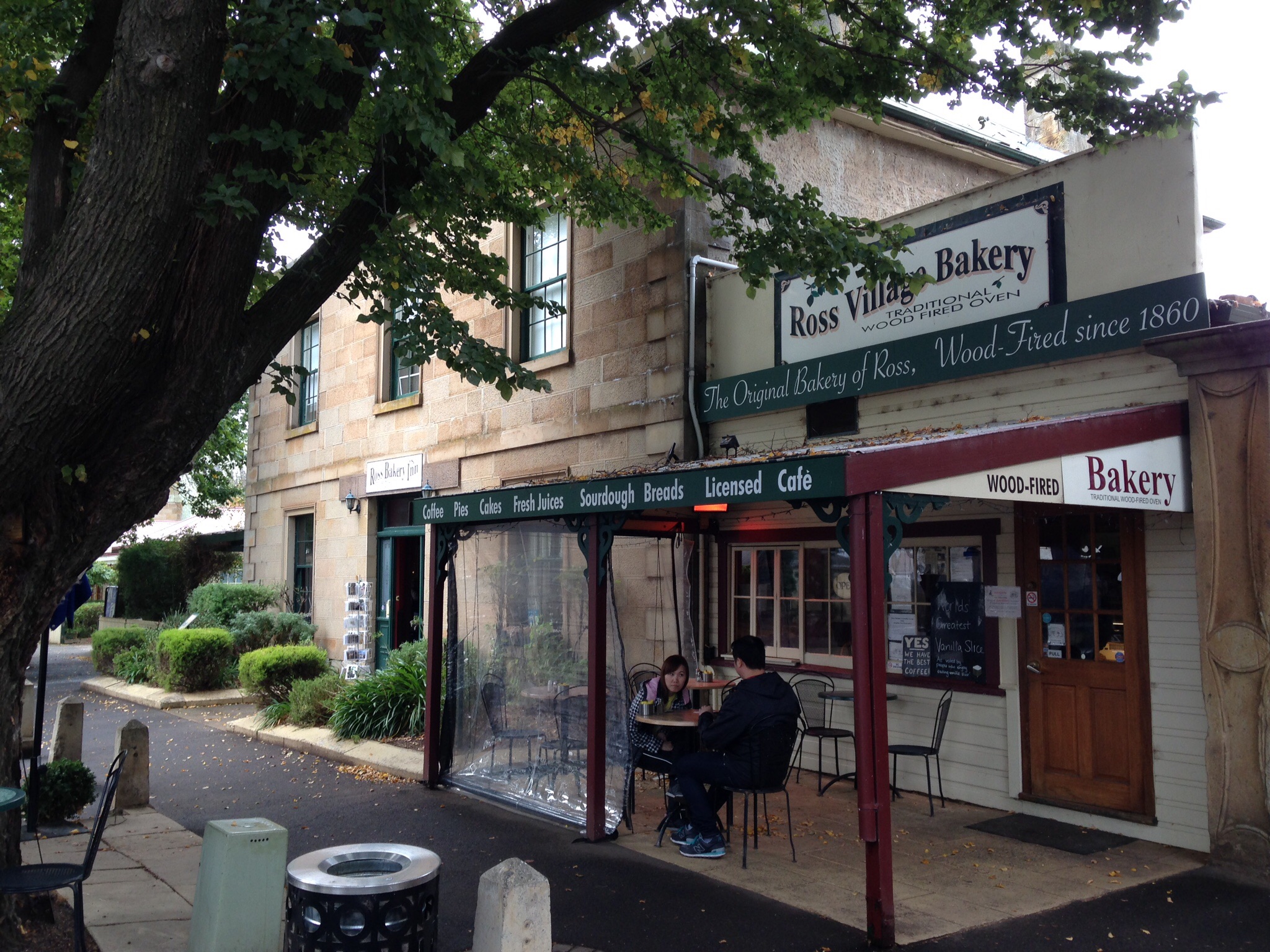
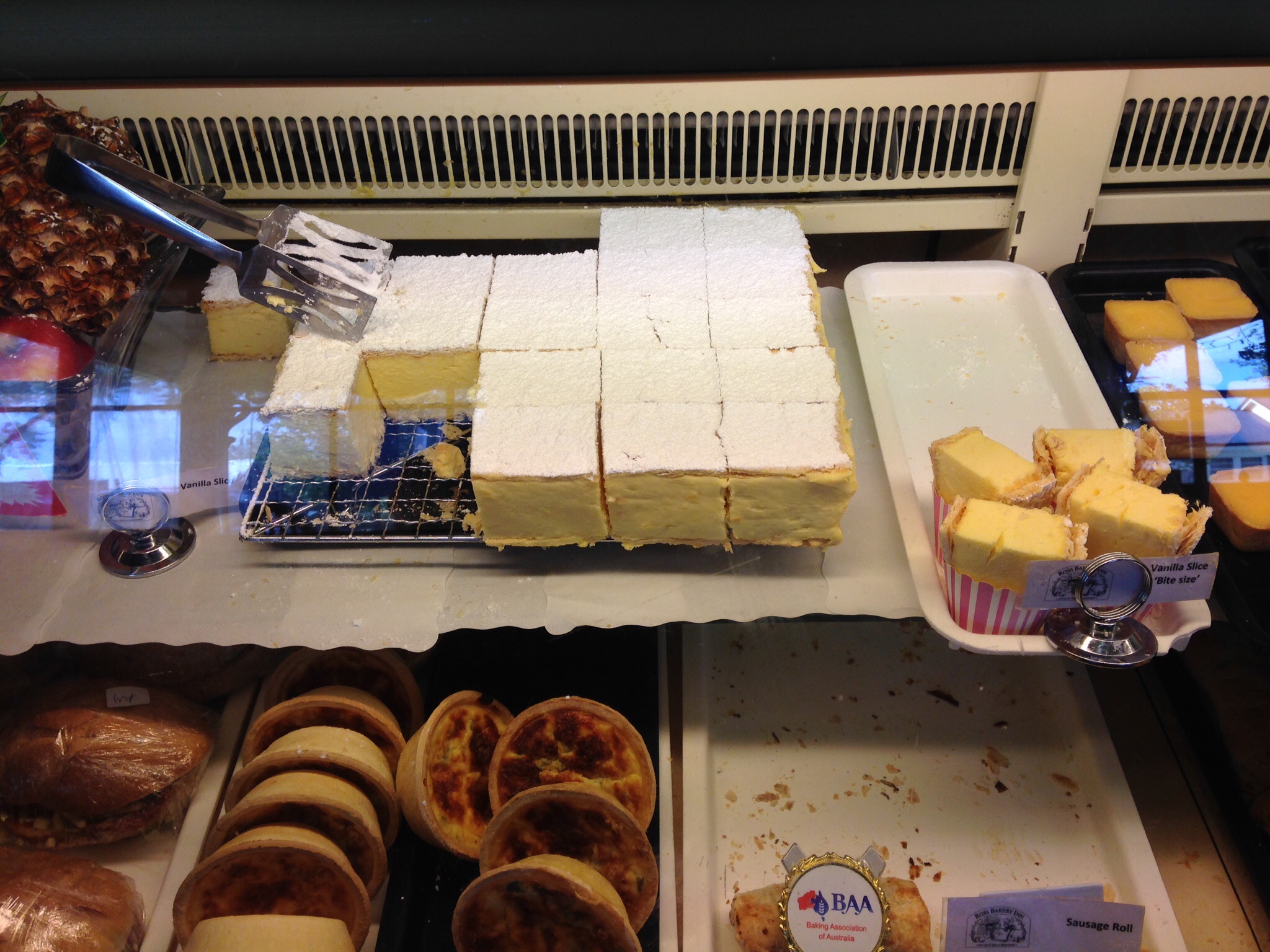
In the midlands town of Ross, the merino ranchers have strong connections to Italian clothing designers such as Zegna. And at one of the bakeries, fans of the anime movie Kiki’s Delivery Service make pilgrimages (apparently because they’ve decided that it is the location of an important part of the plot – we’ll need to see the movie now). And the vanilla slices were great, too.
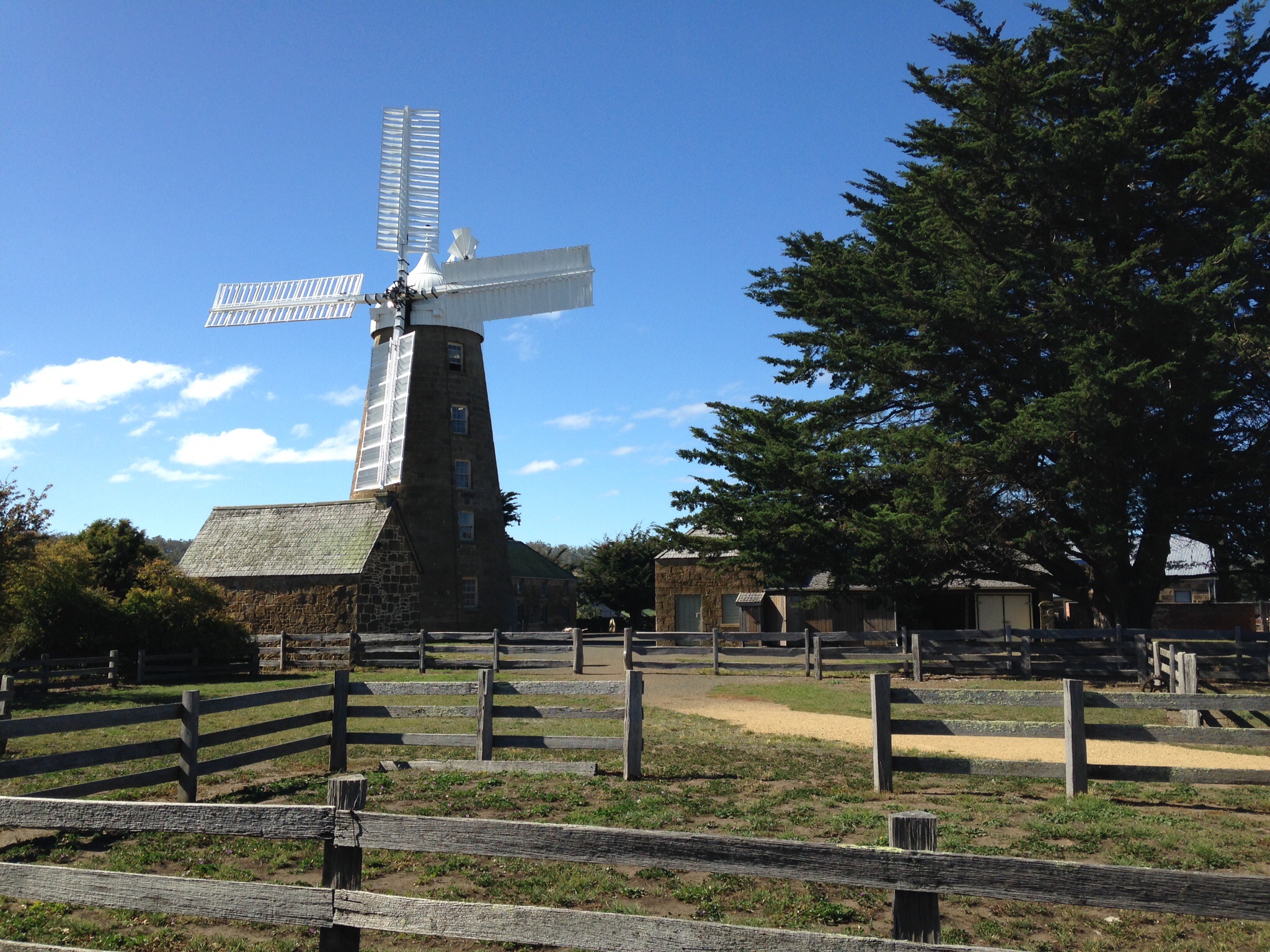
At Oatlands, another midlands town, volunteers have rebuilt the old windmill and it is once again at work milling grain.
As with most parts of this country, we wish we could have spent at least twice as much time in Tasmania.