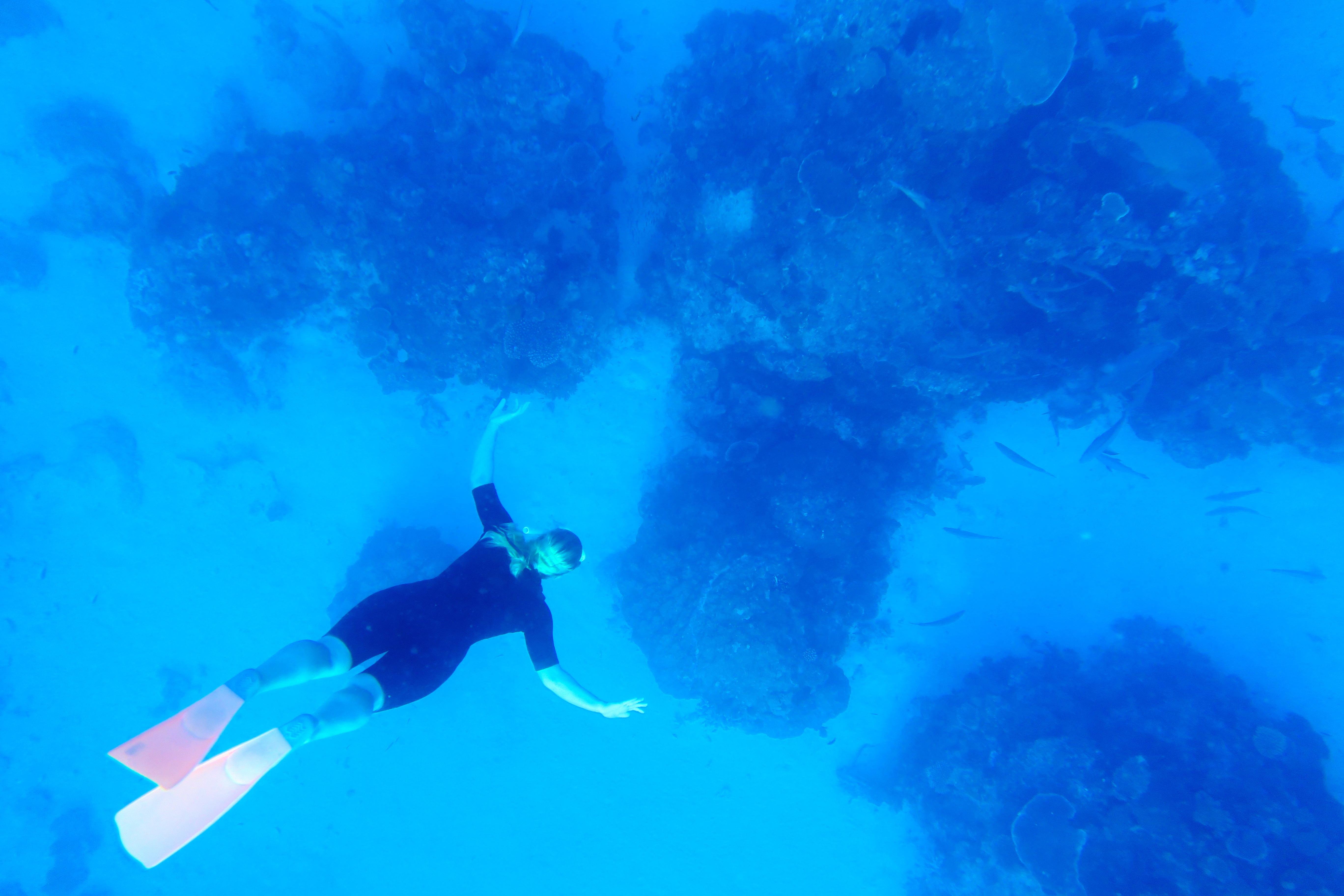
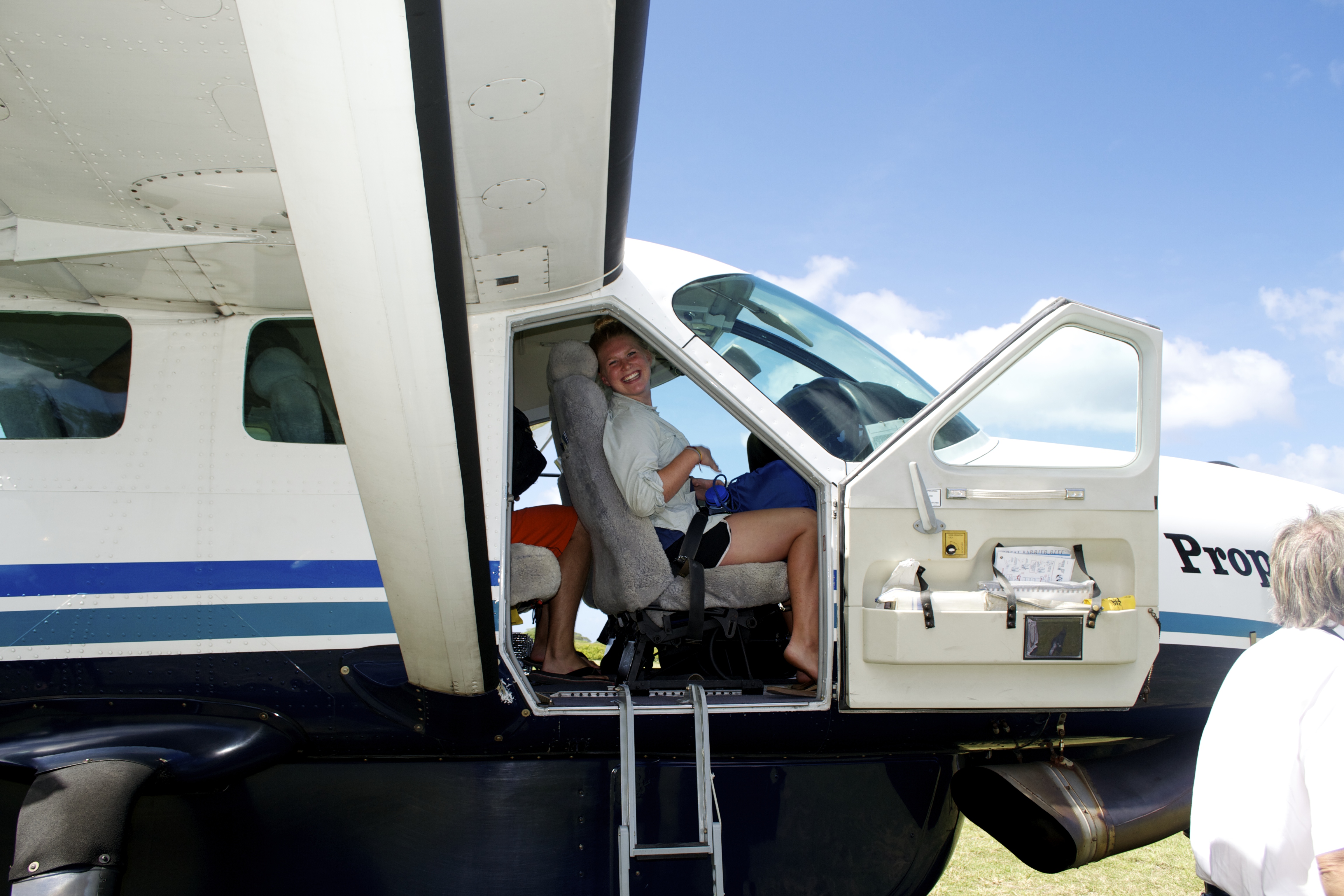
Over the past few weeks the Australian Lewis and Clark College gang has learned about the basic biology behind a few of the country’s most fascinating natural occurrences. At the beginning of this trip I wrote about Darling Harbour and Nemo’s triage of fellow fish that escaped its sheltered waters back to the Great Barrier Reef. What if I told you this heartwarming story was doomed from the beginning?
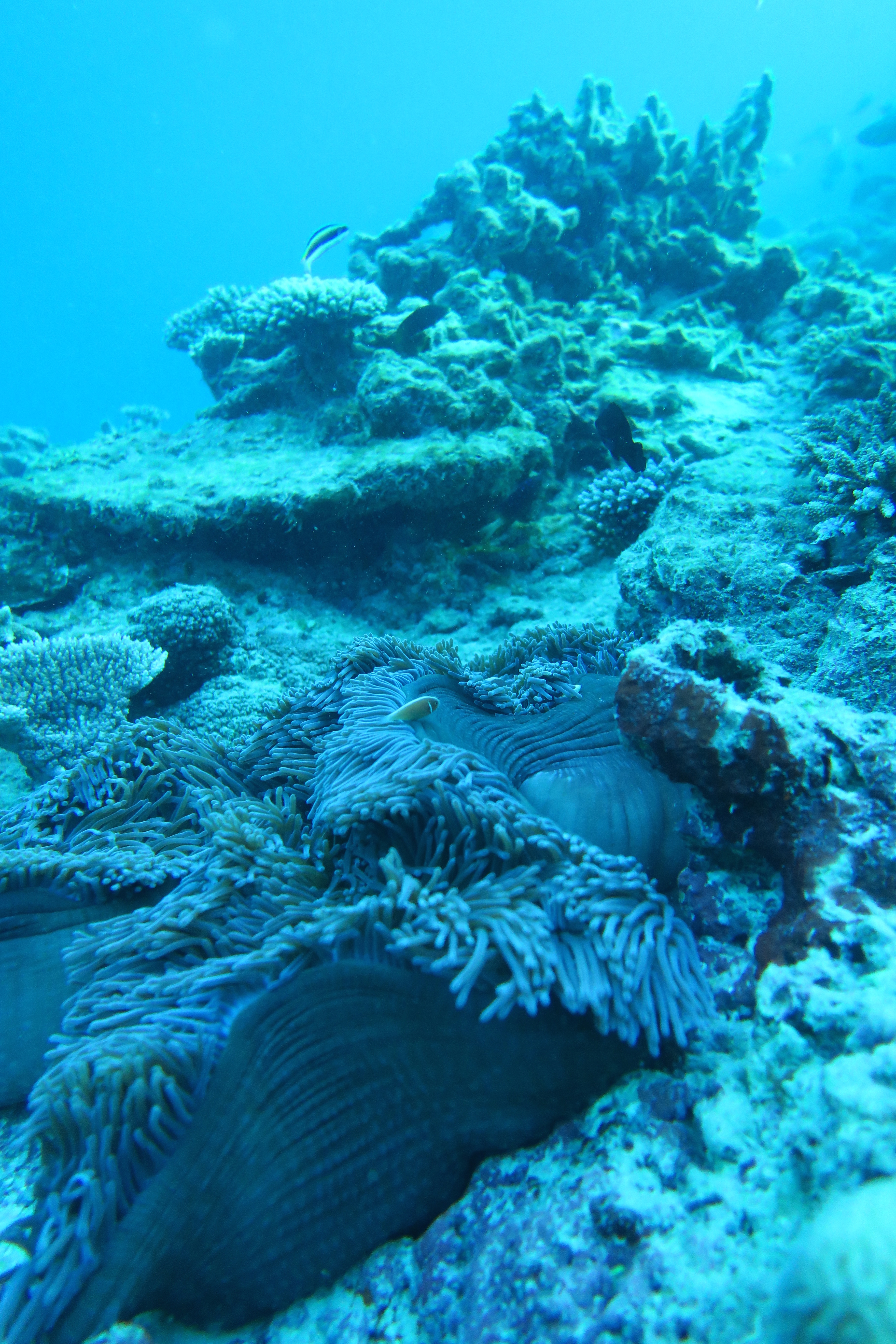
The Great Barrier Reef is home to an ecosystem that is currently being degraded. The humanoid population has made it clear to Mother Nature that we are the dominant species bent on fast-forwarding climate change in a few centuries as opposed to a hundred million years.

Amongst these induced changes is the increasing acidification of the Great Barrier Reef. Through the release of carbon dioxide by way of Australia’s coal dependency the fossil fuel emissions bond with water molecules in the rain to create acid rain. The acid rain then falls into the ocean and changes the pH levels to a point that makes it acidic.
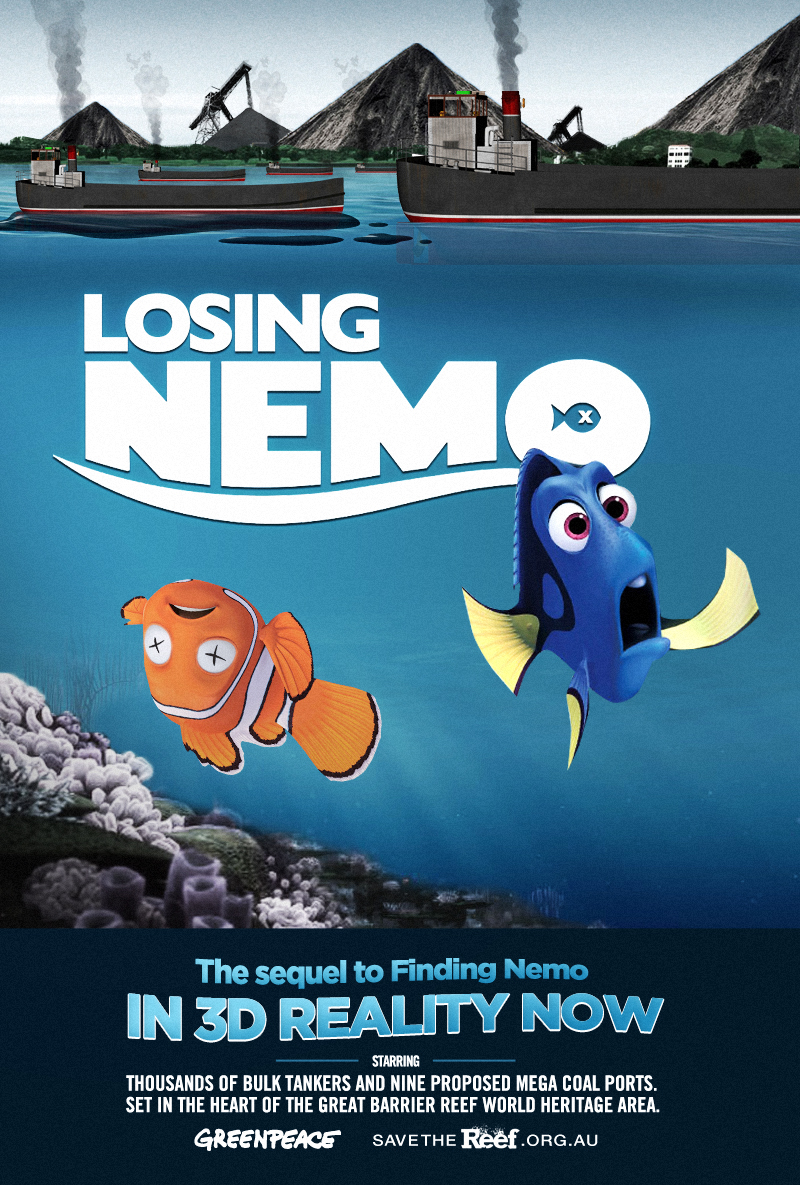
Now, back to Nemo. Anemone fish, as well known, share a mutualistic relationship with anemones. However, what is not known is that anemone fish can smell their way back to their home reef and anemone if separated. For Marlin and Nemo this is all well and good until the pH levels shift. If the waters become too acidic it disrupts the scent these two anemone fish would normally have. This means that Nemo, nowadays, will never be found and never make his way back to the Great Barrier Reef.
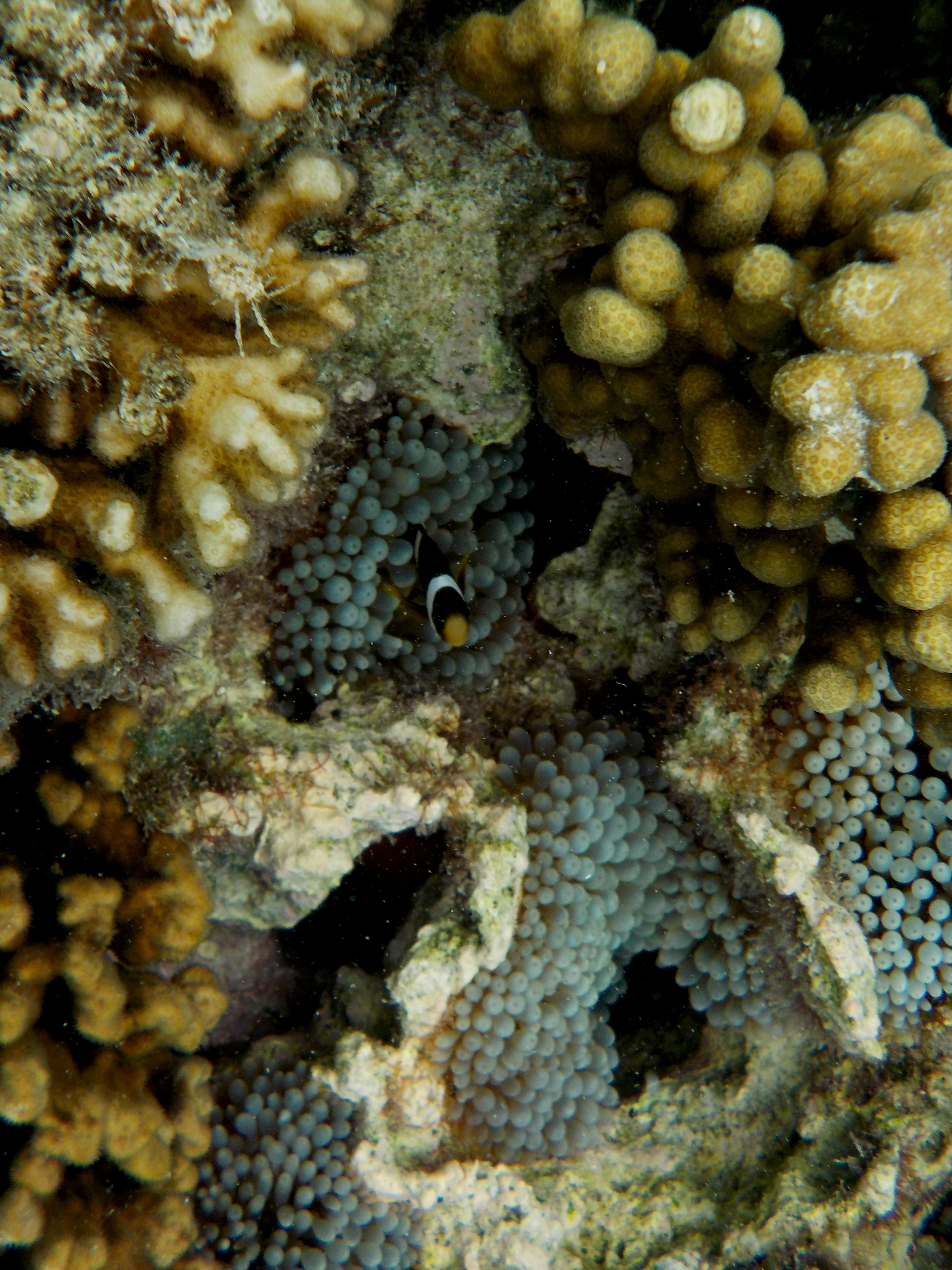
Despite the knowledge that Earth and its oceans are f*%$ed (in the words of a true Australian), I had the opportunity to learn about these fish and see them for myself hiding amongst the bubble-tipped cnidocytes of their anemone. My children may never visit Lady Elliot Island and see the breadth of beauty I have, but with my insight I hope I can open the eyes of my family, friends, and peers. There is no turning back from the damage we have inflicted upon these creatures and their home. Nevertheless, by sharing Nemo’s story and my own this group of Lewis and Clarkians can help slow the breakdown of underwater ecosystems; doom does not have to be so foreboding with a silver lining.