
Overall we spent around six days in the Chinese city of Qing Dao from September 14-19. Our activities generally revolved around Chinese tea culture, with secondary subjects of study being Qing Dao beer and Daoism.
We traveled by train for about two and a half hours from Jinan to Qing Dao and arrived in the city around noon. Our group spent that first day settling into our hotel rooms and exploring the docks.
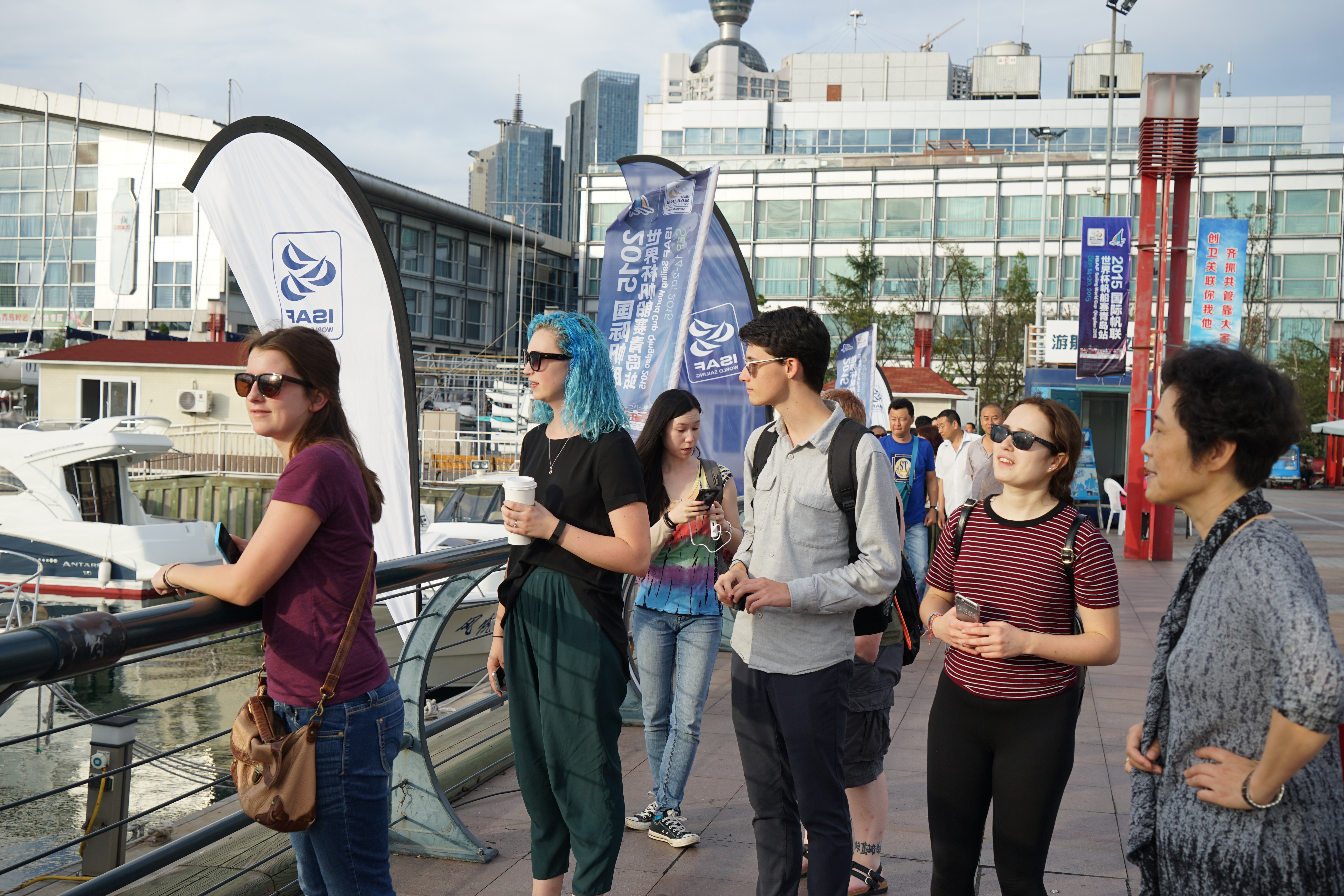
Upon arriving I realized that any of my previously held expectations of Qing Dao could not have been further from reality. When told that we would be visiting a tea plantation I had pictured the surrounding area to be a small village or a town at most. I was then informed that Qing Dao was actually a large city around the size of Jinan, and so I imagined it would be fairly similar appearance wise. I was entirely incorrect in both of these assumptions and very pleasantly surprised. We traveled by bus from the train station to the hotel through winding, hilly roads lined with trees and other greenery, unlike anything I had seen in Jinan. Our hotel was located downtown and surrounded by an amazing array of glimmering skyscrapers. Clean wide streets, sparkling blue sky filled and a pleasant sea breeze (along with the actual ocean itself) made Qing Dao appear like a kind of heaven on earth. Also, due to the fact that there are more foreigners in Qing Dao than in Jinan, our group received noticeably less stares and requests for pictures as we wandered around the docks (the Qing Dao International Sailing center we explored is where the 2008 Olympics sailing events were held). Unfortunately our schedule was very full and we had almost no time to get to know the city properly, though I will definitely make time to return before the end of the semester.
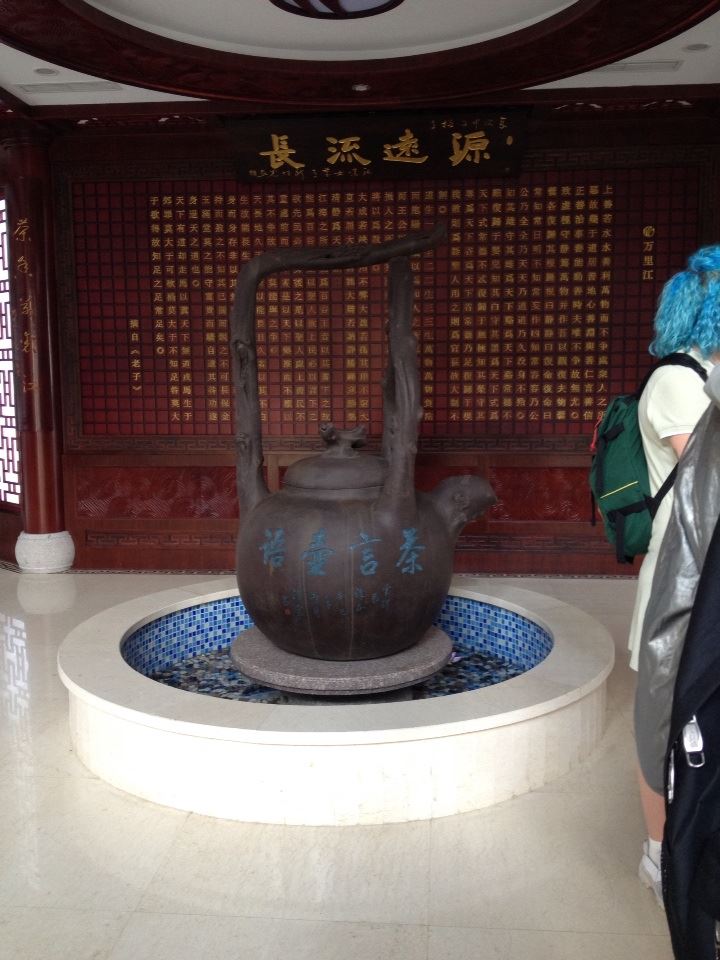
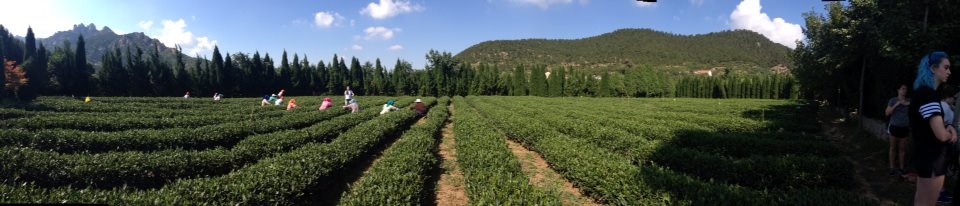
Much of our time spent was outside of the city limits, becoming acquainted with the Wan Li Jiang Tea company (万里江). On our first full day in Qing Dao we visited the museum owned by 万里江 and learned about the history of tea in China on the whole, and then specifically of its history in the Shandong province. We then received a lecture on tea from an expert who worked for the company. From this man we learned about tea production, the six different types of tea and the cultural as well as health benefits of tea in China. Over the next few days we picked tea leaves, witnessed the production process first hand, and consumed a monumental amount of (high quality) tea. We also met with a master of the tea ceremony who gave us a second lecture on tea and then taught us how to perform a tea ceremony. This required a certain amount of grace and refinement that none of us students seemed to possess but it was enjoyable nonetheless. Our trip leader, Zhang Laoshi, tirelessly played the part of translator for the lectures and instruction that we received over these few days, much to our appreciation.
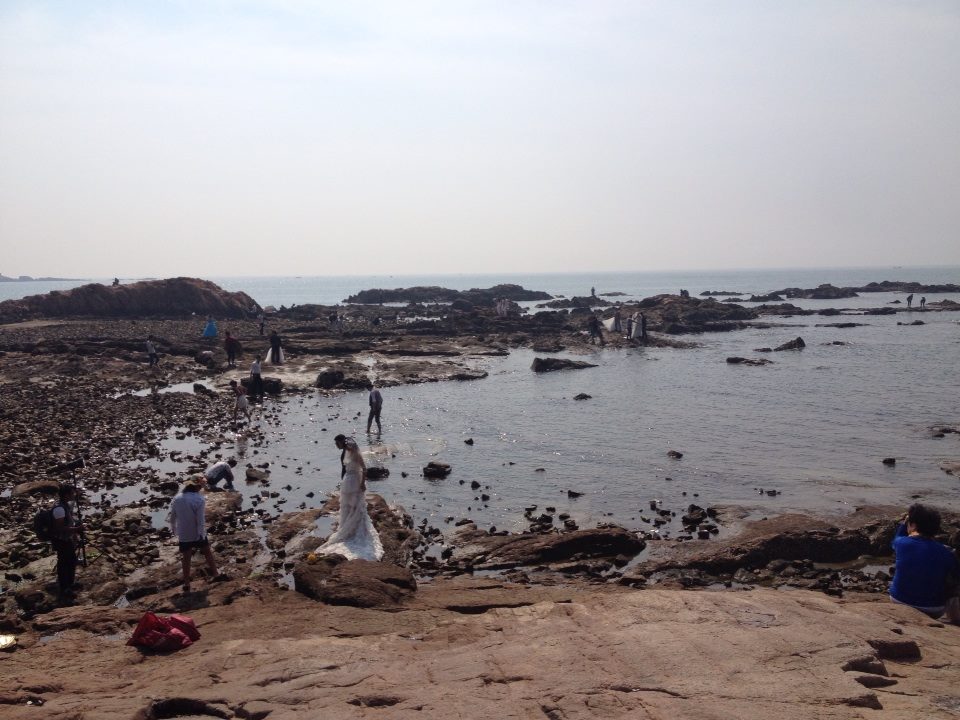
As far as matters unrelated to tea, we spent one afternoon exploring some of the more historic district of Qing Dao with a tour guide as well as visiting a beach that is the perpetual host of wedding photos (we seriously saw around fifty couples throughout the area taking photos and this is apparently an everyday occurrence). The Qing Dao beer museum was also a highlight of the trip as it gave a history and context to the beer (Tsing Tao) which is pretty much the only beer widely available in China. We also explored Mt. Lao, which is a religious site for Daoists as well as popular tourist destination. There we met a Daoist monk who lives on Mt. Lao and was more than willing to explain the significance of the statues and structures found on the mountain as well as sharing his own personal story with us.
My only regret regarding this trip was that we never had time to swim in the ocean, or to really explore the beautiful city of Qing Dao during the day time. I plan to return as soon as possible and would seriously consider moving there one day. Overall, it was great to get acquainted with a city other than Jinan and to explore the aspects of Chinese culture specific to Qing Dao.