“Because I was alone, however, the mundane seemed charged with meaning.”
The following phrase was taken from Jon Krakauer’s non-fiction piece Into the Wild, a book highly recommended to me by multiple friends, and that I had told myself over and over again to read but the suggestion would always slip my mind.
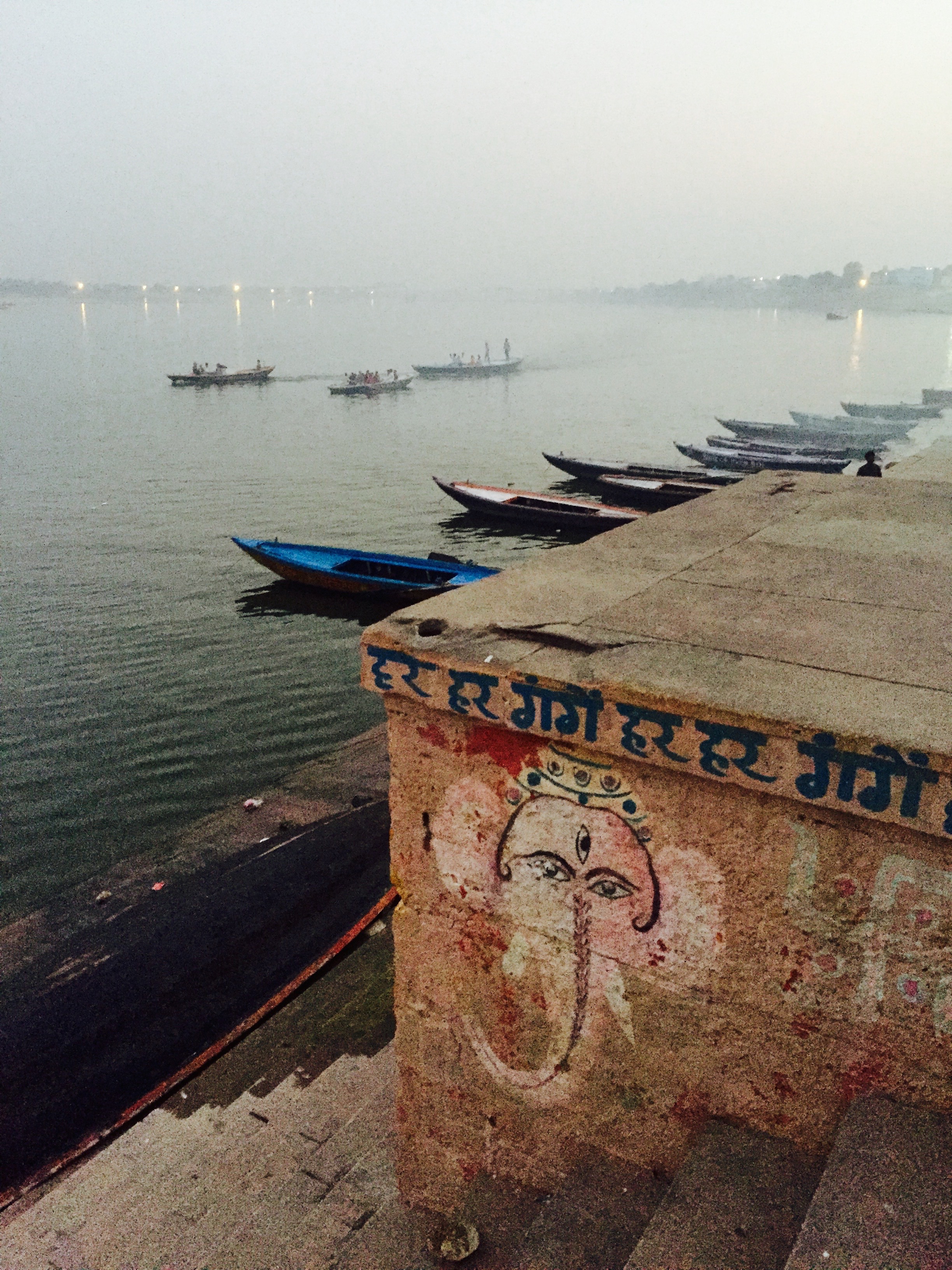
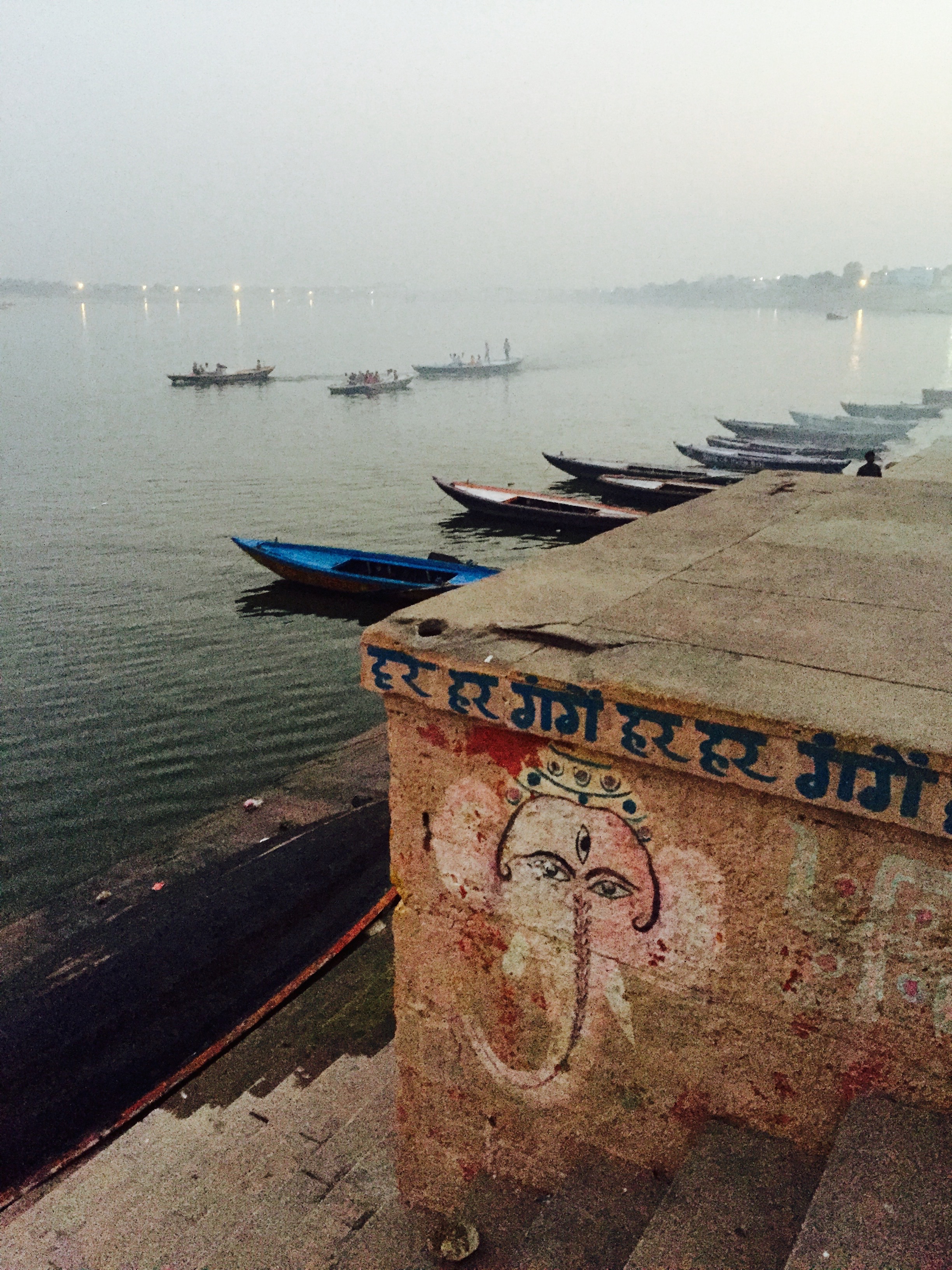
On some mild day in Banaras, India, specifically around Assi Ghat, I happened to find myself in a bookstore that had also been suggested by a friend. In a tiny, cramped space by the name of Harmony The Book Shop, navigating among tall shelves filled with plastic-wrapped texts to protect from them from humidity I stumbled upon Krakauer’s work. In need of new reading material, I purchased it without thinking twice.
As I sit in a café, drinking mate, which hardly seems Indian, I’m also met with another paradox: why and how does it even make sense to compare an American story of the trials and majesty of the Alaskan bush to the wonders, magic, and hardship India has brought within these past three months? What may illuminate this question, I found, is the quotation I opened with.
“Acha…acha!” On any given day it would be difficult to make out a single voice amid the hustle and bustle of Banaras street life–there’s a constant cacophony of clanging tin, honking autos, the subtle, repetitive click-clicking of cycles, startling accelerations of motorbikes, mooing cows, babbly conversations, hissing smoke. Yet on this particular day, all was quiet as I walked down a neighborhood gali, my feet side-stepping mud and manure. When I heard the voice cut through the calm, speaking much more Hindi in his call than the one word I picked up on, I looked down the corridor and saw a vegetable seller, pushing a rickety wooden cart filled with egglant, cauliflower, and green onions. His mouth opened to show red-stained teeth, his cheeks stuffed with pan, which then ballooned as he shot out a standing ovation worthy, vermillion colored spit stream.
The vendor and his impressive trajectory still sits firmly embedded in my mind’s eye as an image of my experience not just in Banaras, but my time in India as a whole. He simply sold vegetables, shouting out prices, roaming the winding streets in hopes of making a profit. It seems negligible, mundane even–it’s just a job being done. However, when I found myself wandering the neighborhoods of Banaras independently, or even with one other person, every single thing I encountered seemed to heighten all of my senses. The sour smell of rotting trash wafted up and into my nostrils, the splash of water onto stone was as clear as shattering glass, the swoop of fabric over a doorway like a watercolor brushstroke. These exaggerated images, smells, sights, sounds, and feelings are what I will miss most about India–the constant wonder of seeing something you never even imagined.
Into the Wild, discusses the haunting beauty of the Alaskan wilderness, an expansive white, mountainous landscape, and the incredible audacity of individuals to trek into it. India offers a similarly stirring scenic layout, but the difference is that it is enveloped with colors, faces, and voices inhabiting thick air as dense as a water buffalo’s wall of a body, or as delicate as water cascading over a worshiper bathing in the Ganga. I made a choice to come to India, and although I am part of an inspiring group of students who I can now call friends, companions along this trying and rewarding journey, I was (and still am) experiencing the country with my own soul.
What India has taught me, and what Krakauer brought to light with his statement, is to take time to harness the awe-inspiring, not taking for granted the uncomplicated way of living. Allow yourself to pause, let your routine be interrupted. By saving mental vignettes, slowly acquiring a cerebral archive of sensory perspectives, one realizes that beauty and significance resides in the mundane; there is always a capacity to see it, and always an opportunity for adventure.