
Mt. Fuji is often one of the first things that comes to mind when thinking of Japan. It has been a Japanese icon for centuries, ranging from being worshiped as a deity to being featured in everyday objects. It has become so popular that a walk through Tokyo’s many districts will result in seeing Fuji in all shapes and sizes. We spent an afternoon during this program doing just that and found a plenitude of Mt. Fuji imagery.
-
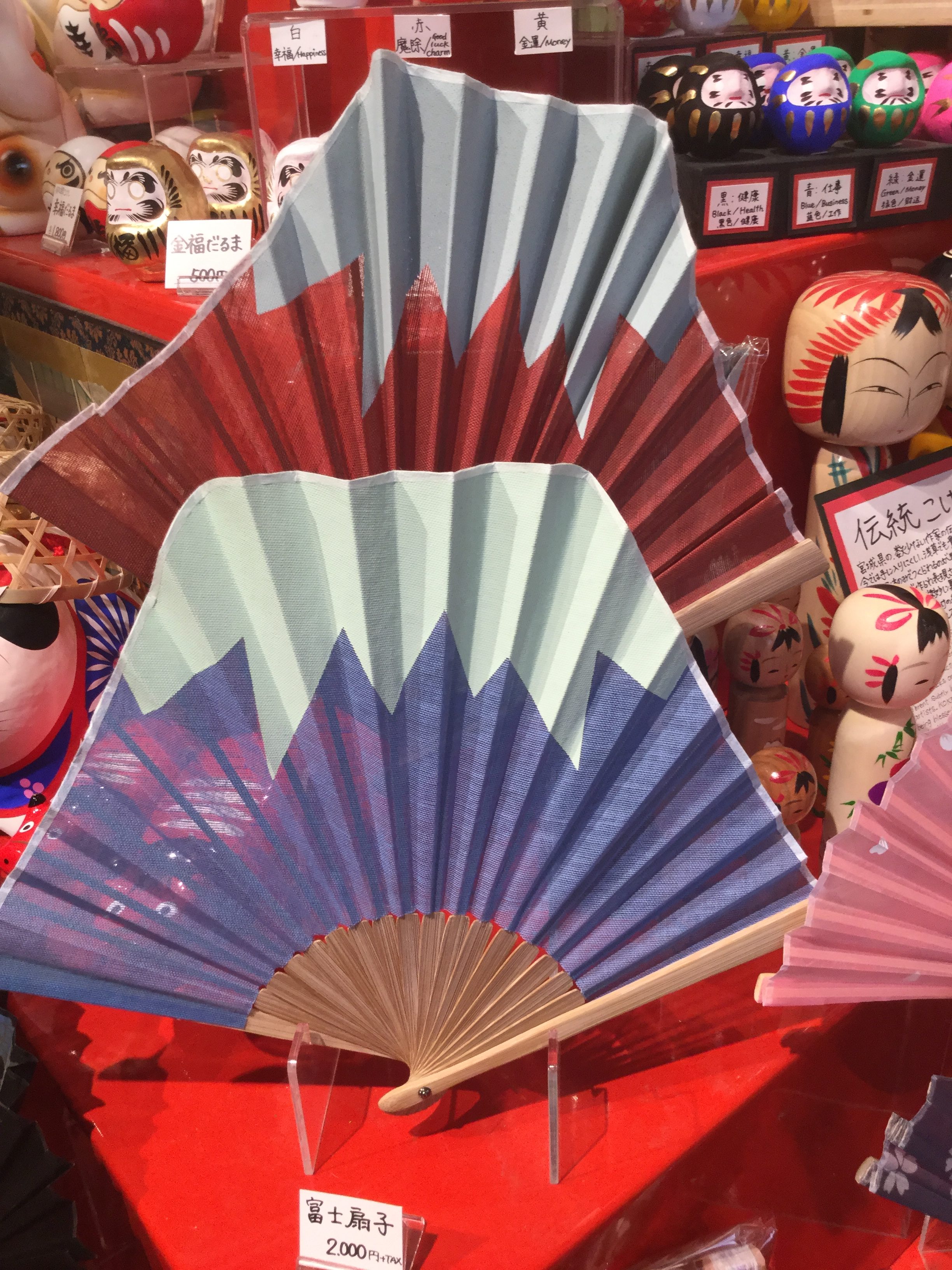
- Two Fuji shaped fans
-
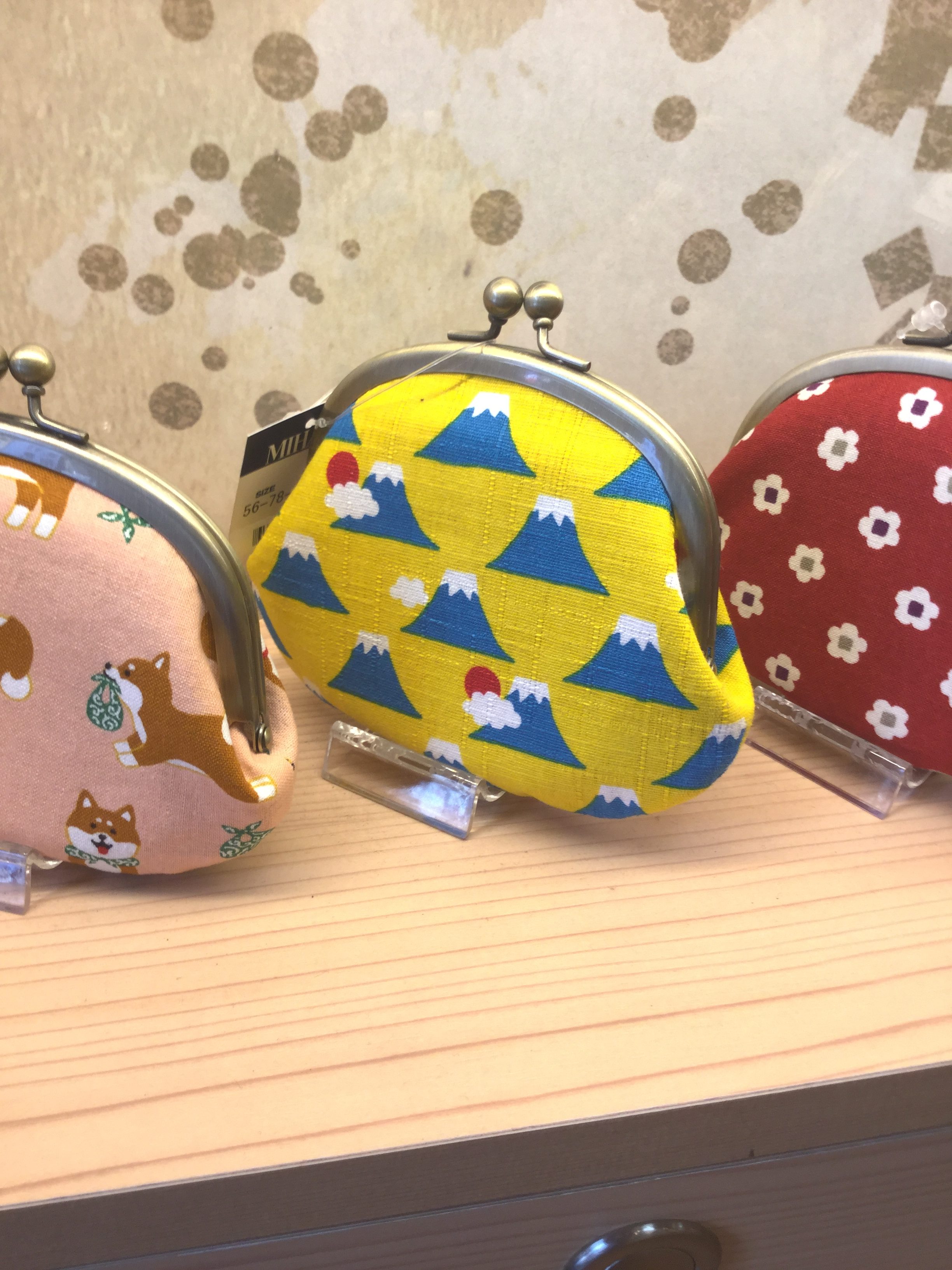
- Fuji and the rising sun ‘goraiko’
-
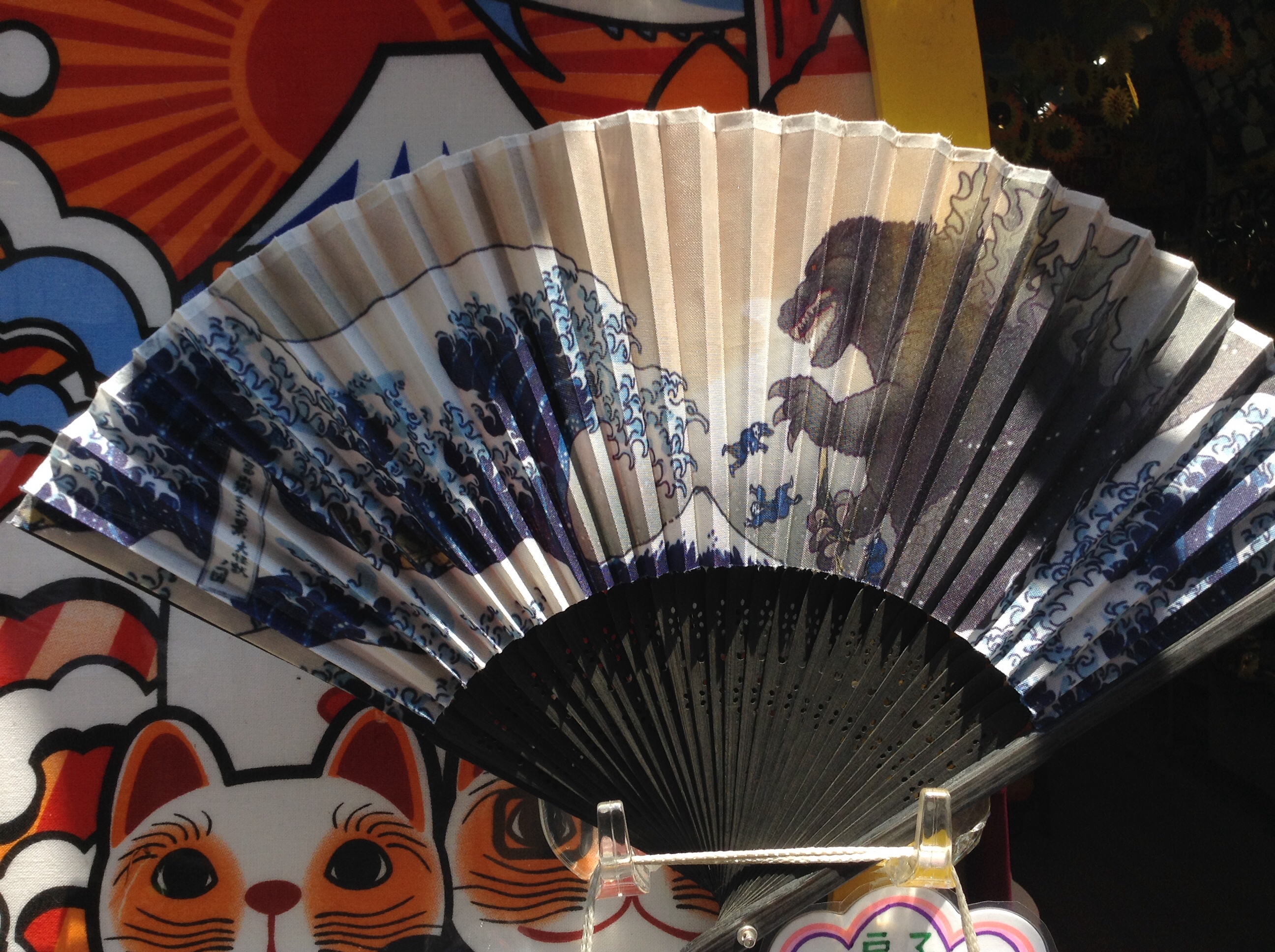
- Hokusai’s Great Wave and Godzilla on a Fan
-
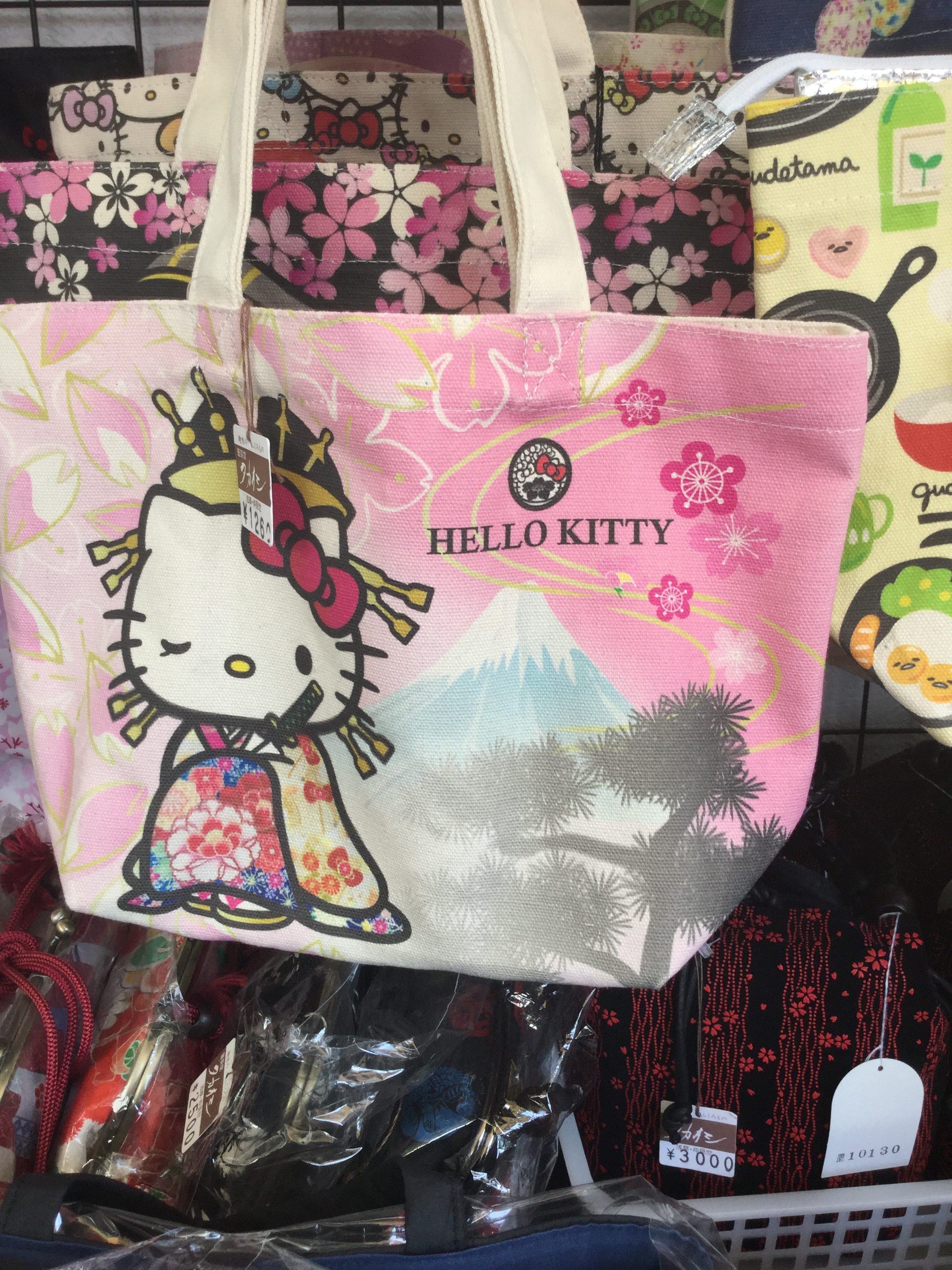
- Hello Kitty and Fuji
The first of four districts we examined, Asakusa, has the popular Buddhist temple Sensō-ji as well as lots of souvenir shops that attract many tourists. We found 24 different Fujis within four blocks of the temple, the majority being souvenir items. As you can see, Mt. Fuji is most often represented with other quintessential Japanese cultural icons, such as Hello Kitty or Godzilla, on typical Japanese items such as fans. Many of the representations are images by Hokusai, the Japanese artist who created the famous Great Wave and Red Fuji prints. By combining Mt. Fuji with these symbols of Japan, tourists receive two iconic images of Japan in one souvenir, a 2-for-1 deal.
-
- Odakyu Rail Ad
-
- Fuji on a beer can
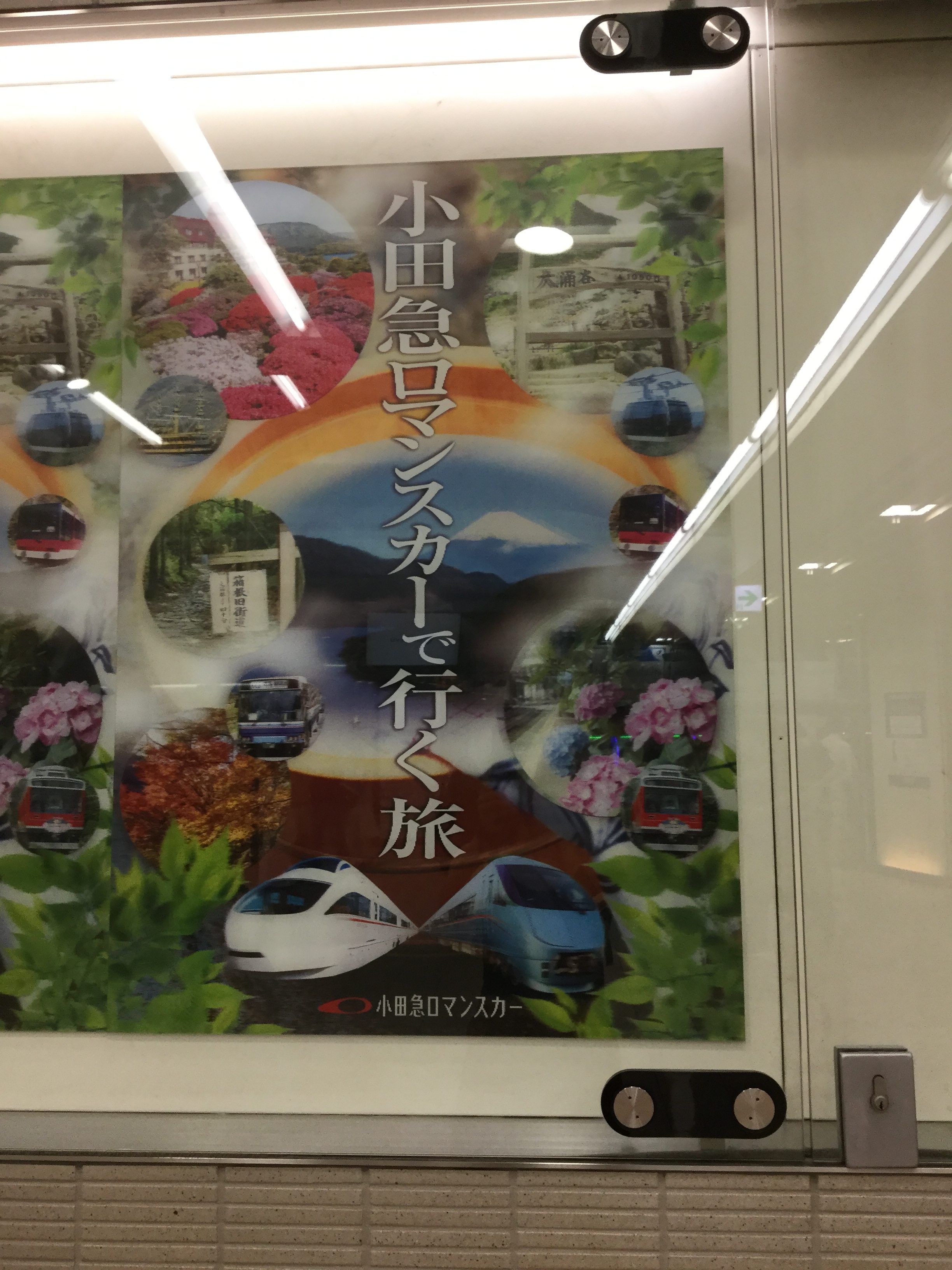
Another district we investigated was Shinjuku, which is a huge hub for transportation and people on the go that has lots of advertisements. Mt. Fuji is present in multiple advertisements and has become associated with many products and services. The first photo above is an advertisement for the Odakyu train line, which goes to many scenic destinations. Although it does not actually go to Fuji, the ad includes Mt. Fuji as a central image, drawing eyes to the ad, and using Fuji as a marketing tool. The second image is of a beer can with Fuji on it, again using the distinct image of Fuji to persuade locals and tourists to buy it.
-
- Mt. Fuji on a Yukata
-
- Fuji on a t-shirt
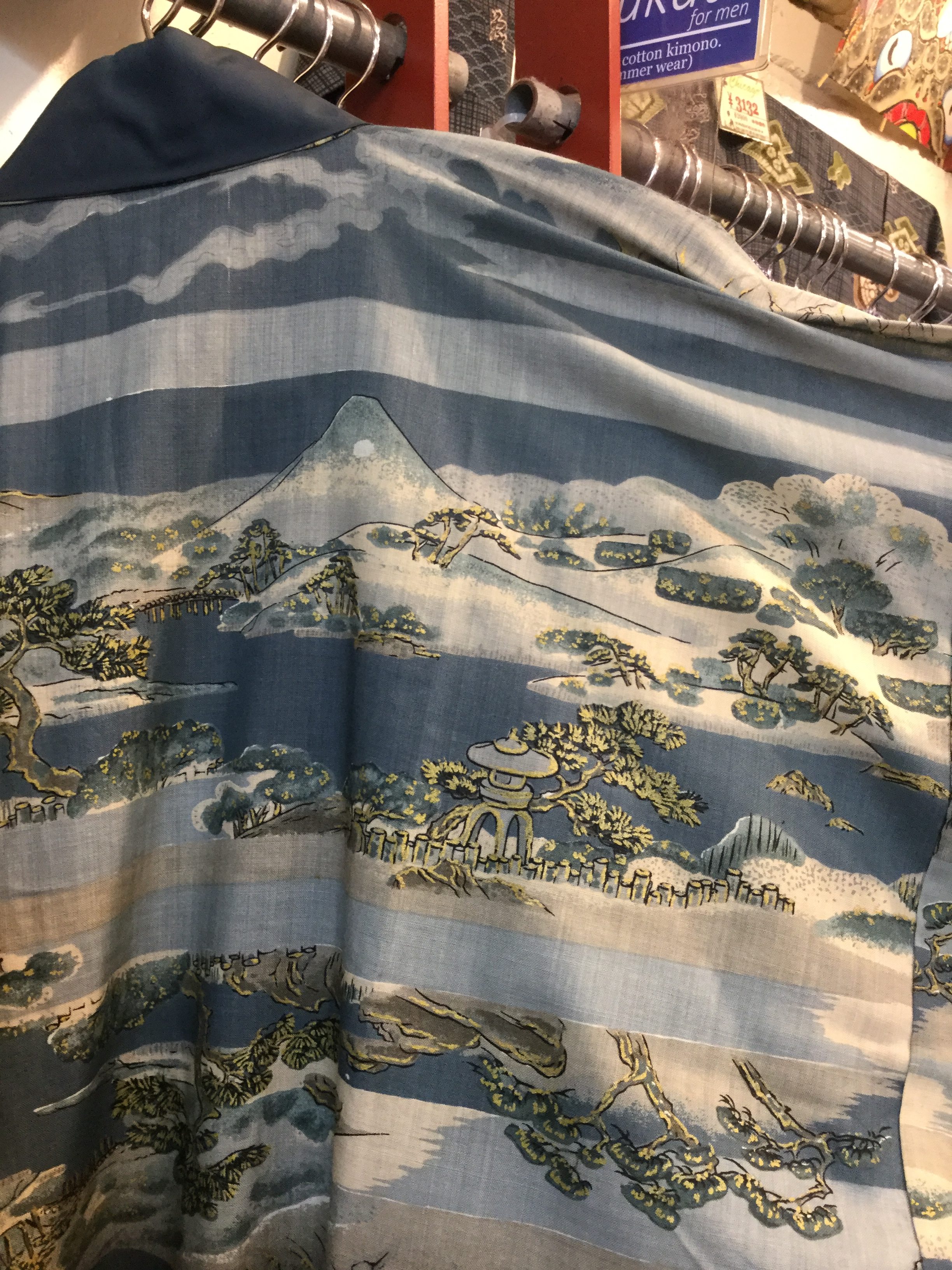
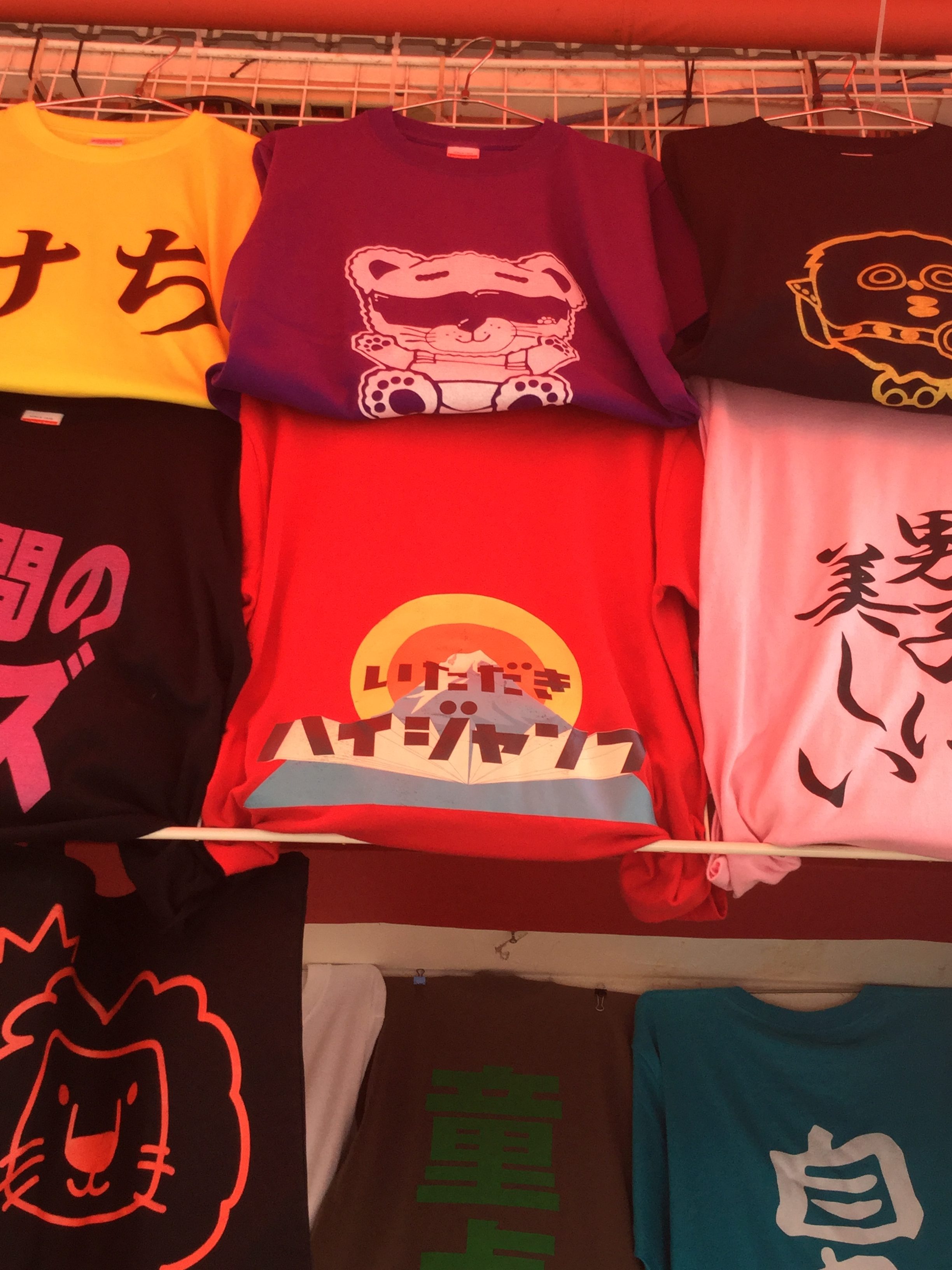
Shibuya and Harajuku, two more districts that we investigated, presented Fuji imagery in the form of apparel and accessories, as they are known as a center for youth culture and fashion. As you can see, Fuji appears on more traditional clothes, like the Yukata which is a casual summer kimono, to modern items, such as t-shirts. Fuji on apparel, much like on a brand label, draws people to it and marks it as a specifically Japanese vestment.
-
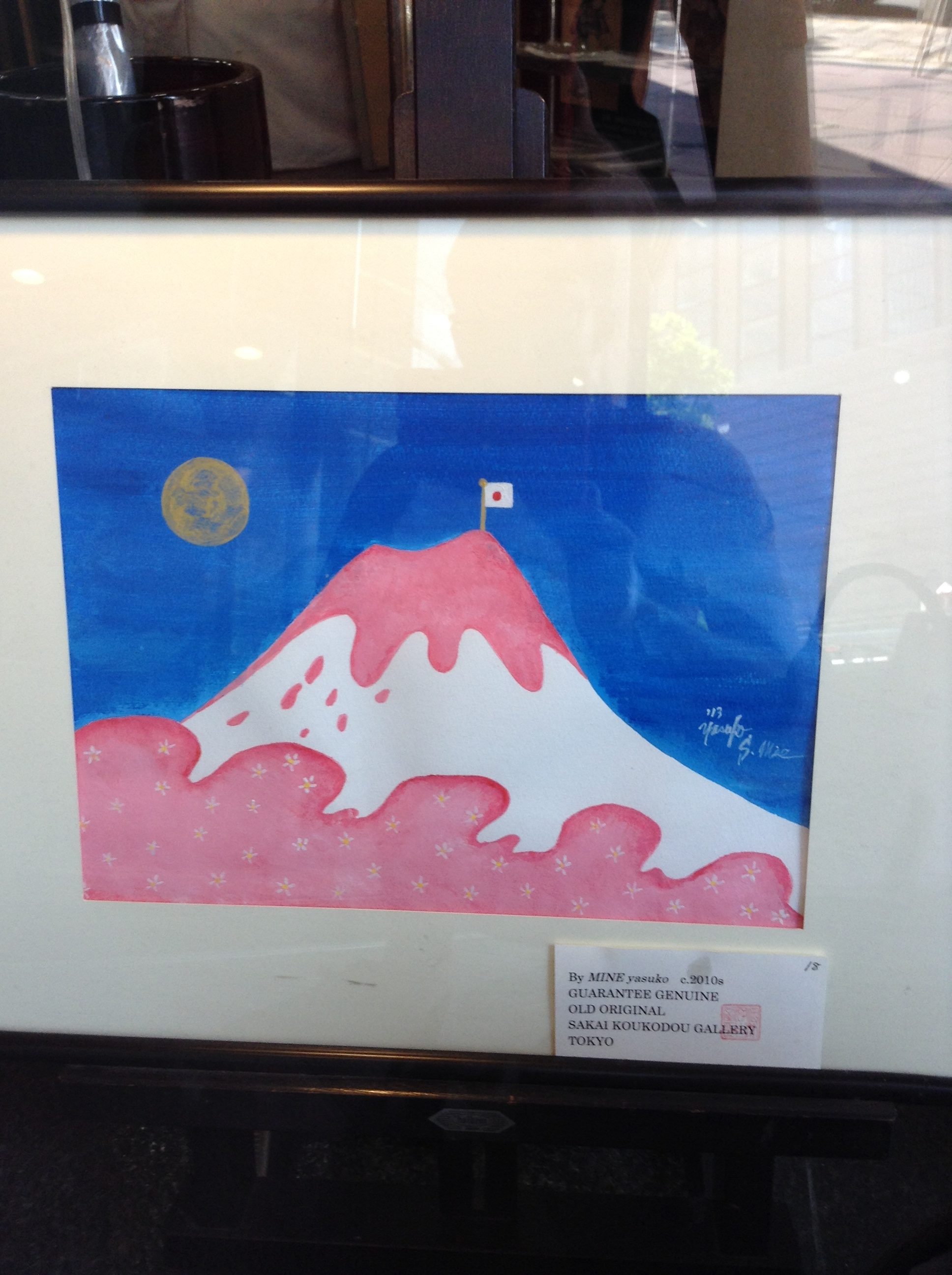
- Fuji art outside a gallery
-
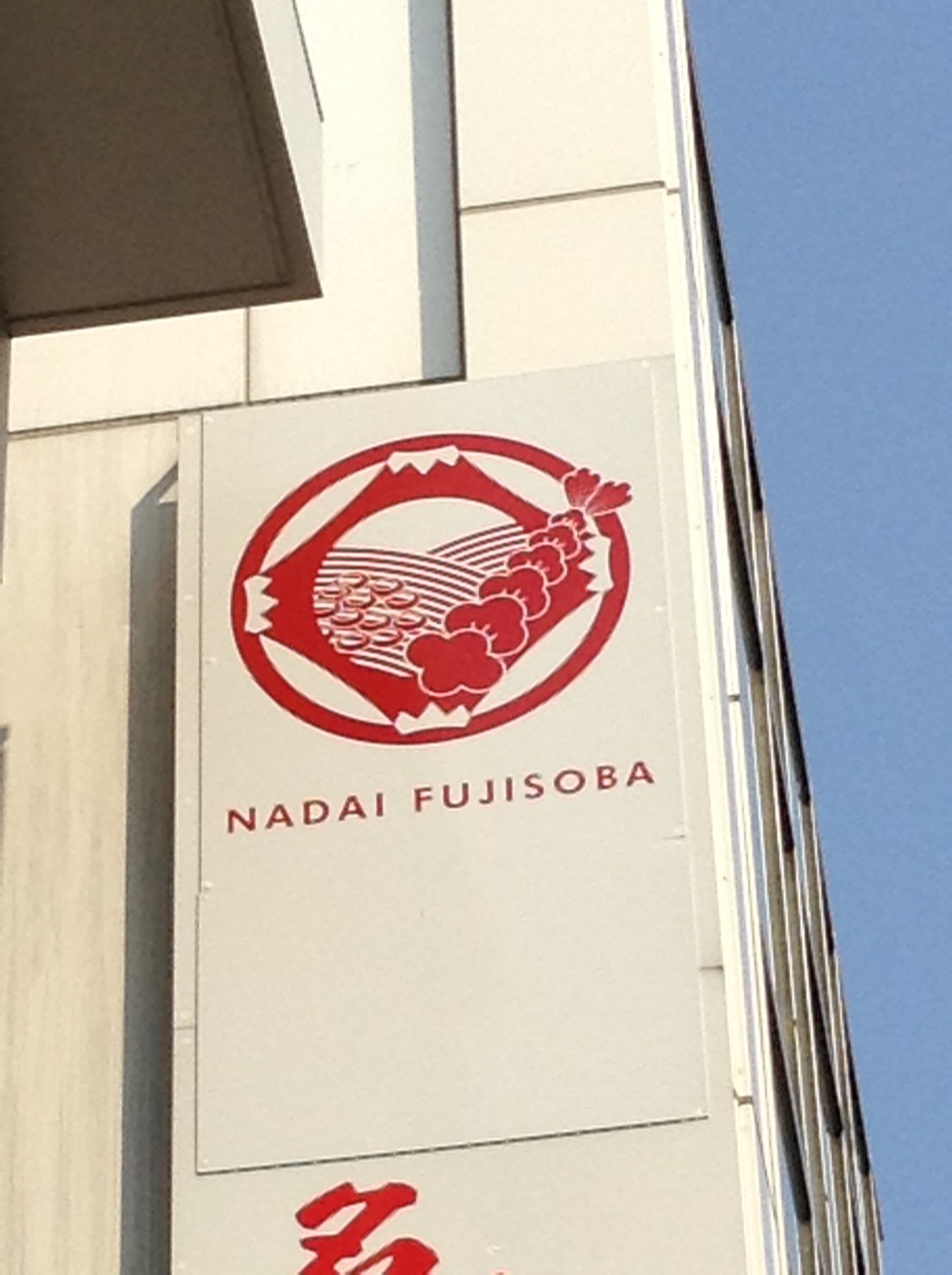
- Fuji on a Restaurant
Ginza, known for more upscale restaurants and shopping, also had a multitude of Mt. Fuji imagery. Mt. Fuji is displayed in the windows of art galleries, attracting visitors with the prospect of buying a piece that features the great mountain. Fuji is also found on the brand label of, and in the name of, a noodle restaurant, Nadai Fujisoba. Although the noodles are probably not from the Fuji area, it still caries the power of Fuji.
The iconic image of Mt. Fuji has become ingrained in almost every aspect of Japanese markets, from ads to brand labels and souvenirs. It has become tailored to fit the particular district where a given product is being sold. It’s a smart business move for companies to make, marking them as distinctly Japanese as well as adding the authority and fame of Mt. Fuji.