
I feel a bit homesick for my forests. I love strolling off the trail and sticking my nose in a flower or the dirt, running my hand over mossy tree trunks. This is no unique desire among many Americans. Some of us have had the privilege of growing up climbing trees and jumping into lakes. We tend to hold nature in lofty regard and we quarantine our presumably untouched wilderness with national parks. Yet, we often overlook the land’s long history of use and how we’ve forcefully displaced individuals to put up barriers around it. My time in Japan has made me reflect on how my conceptions of nature and wilderness are shaped by my culture, showing me firsthand what I take for granted. While we hold certain romanticized standards for the preservation of authentic wilderness, Japan has a very different approach towards molding nature into its ideal form. One of our first readings introduced us to the Japanese attitude towards nature. The results of Stephen Kellert’s (1993) surveys and interviews suggest the Japanese value nature mainly for its aesthetic purposes, especially in controlled settings. One of the interviewees described the Japanese attitude as a “willingness ‘to go to the edge of the forest, to view nature from across the river, to see natural beauty from a mountain top, but rarely to enter into or immerse oneself in wildness or the ecological understanding of natural settings’” (Kellert 1993, 63).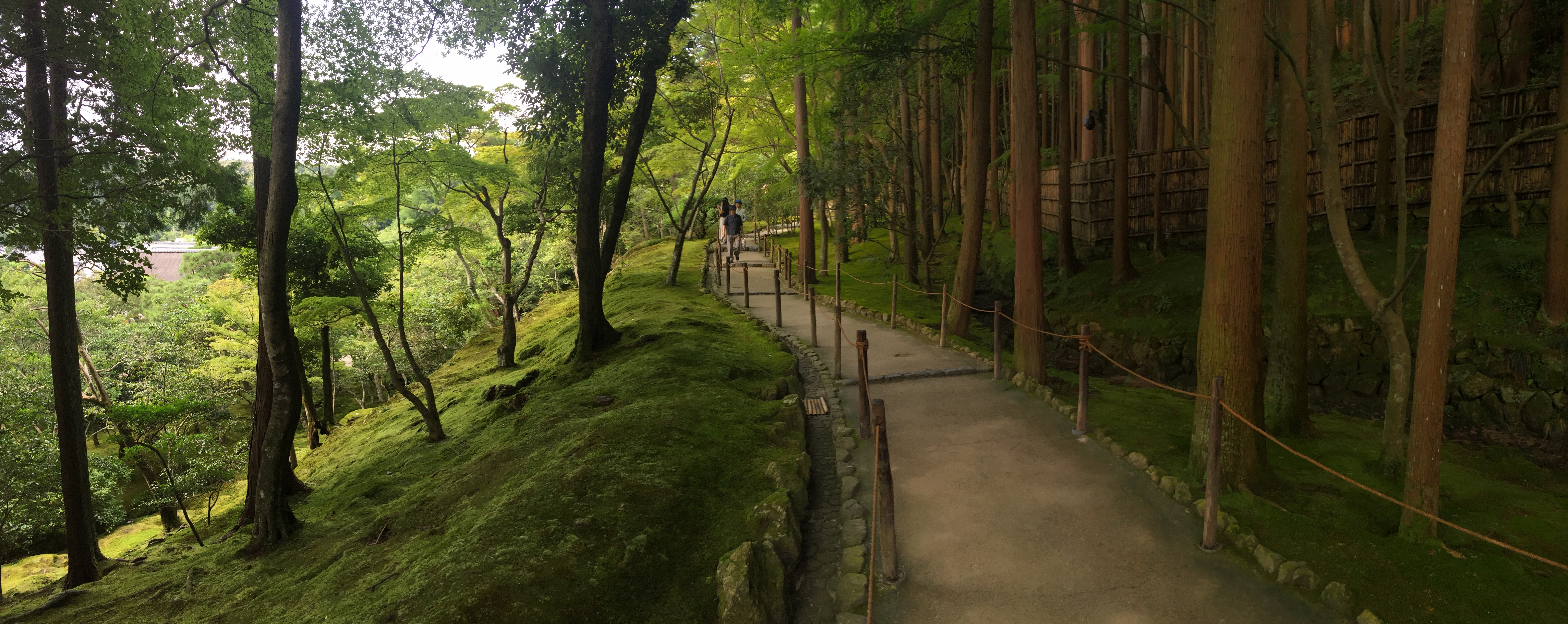 Since reading this, I’ve seen these conclusions manifested in the forestry industry and national parks system, reinforcing the idea that the Japanese favor controlled, aesthetic nature and eschew excessive interaction with wilderness.
I’ve had run-ins with the uncontrolled wilderness here. I’ve encountered boars, foxes, a Japanese serow, and even a bear. They’ve been the highlights of that trip that I write about in my post cards. Yet, Haruo Saito from the Fuji Iyashinomori Woodland Center voiced concern at the increased sightings of bears in the area. He went on to describe a problem, though it took me quite a while to understand just exactly what the problem was. He claimed the under use of forest in the area has created safety and economic hazards, while also appearing messy and aesthetically unappealing as plants compete for light in the tightly packed plantation forests. 40% of Japan’s plantation forests are falling into disuse and abandonment. Wilderness is encroaching. From my American perspective, I would just assume this land will eventually be reclaimed by a more “natural” forest ecosystem, and that’s good or neutral. However, the economy in this area which once relied on forestry must now turn to other means. The center’s research addresses this concern by creating “comfortable forests” through ecotourism programs. As Saito showed us some of the areas of forest they’re researching, we were required to wear hardhats because abandoned plantation forests tend to drop branches from their crowded canopies. 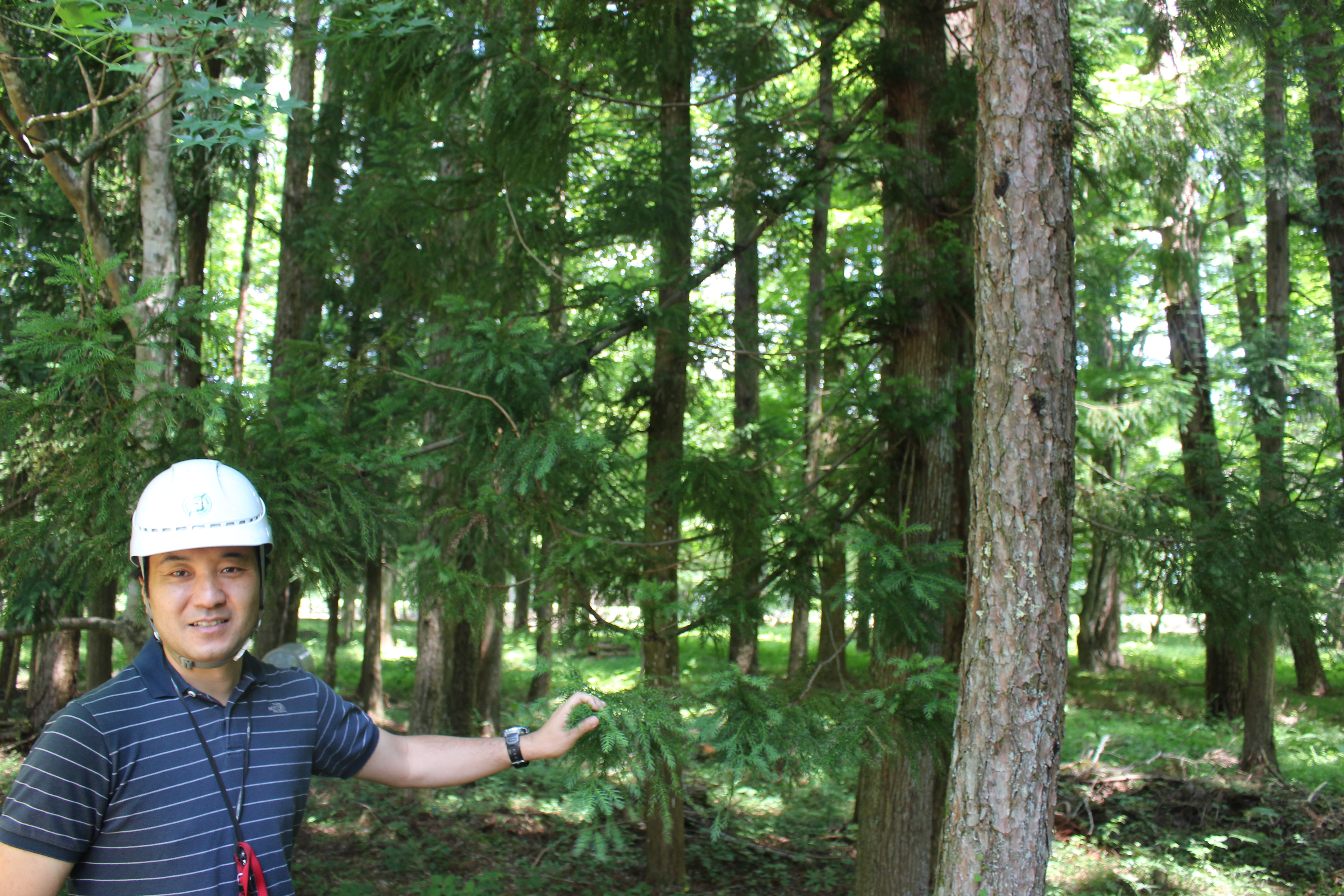 We chuckled at this to stifle the urge of saying “really?”. Further along our tour, Saito pointed to the forests on either side of the trail – the one to our left had been cleared of all underbrush, making the rod straight trees and mossy carpet easy to maneuver through. He also pointed out the less managed abandoned plantation forest. He asked us, “which forest do you like more?” Either seemed worth having a picnic in or taking a stroll through, though the mono-cultures of perfectly aligned larches looked unlike the forests I’d been used to spending time in. He told us plainly that the Japanese prefer the pristine, zen garden-like forest, but a number of us found the messy unmanaged forest just as appealing.
This idea of underuse of forests as a problem struck me as odd. But it is a problem that Japan’s forests have only been falling into disuse over the last fifty years. In the United States, we’re used to what we perceive as untouched land and throw fits when housing developers destroy whole forests and ecosystems. Yet Japanese celebrate their history of connection between humans and the landscape. This is evident in the Japanese concept satoyama, or the human influenced countryside. The land has always been used for forestry, agriculture, and grassland. These lands have historically seen constant human intervention and control.
These days, humans interact with the landscape less out of necessity and more for recreation. The underuse of increasingly wild areas once used for timber is matched by the overuse of certain national parks. However, the national parks system in Japan is struggling in many ways. While some parks are seeing more and more visitors each year, this problem of overuse is coupled with the fact that the system is struggling to find employees. Not only are they hard to come by, they’re also “trained only in landscape architecture or forestry” (Hiwasaki 2005, 759). This sentiment was echoed in a conversation with one of our lecturers. Shigeo Aramaki asked us how they could incentivize young people to be park rangers. Many of my friends think it’s cool to be a ranger. 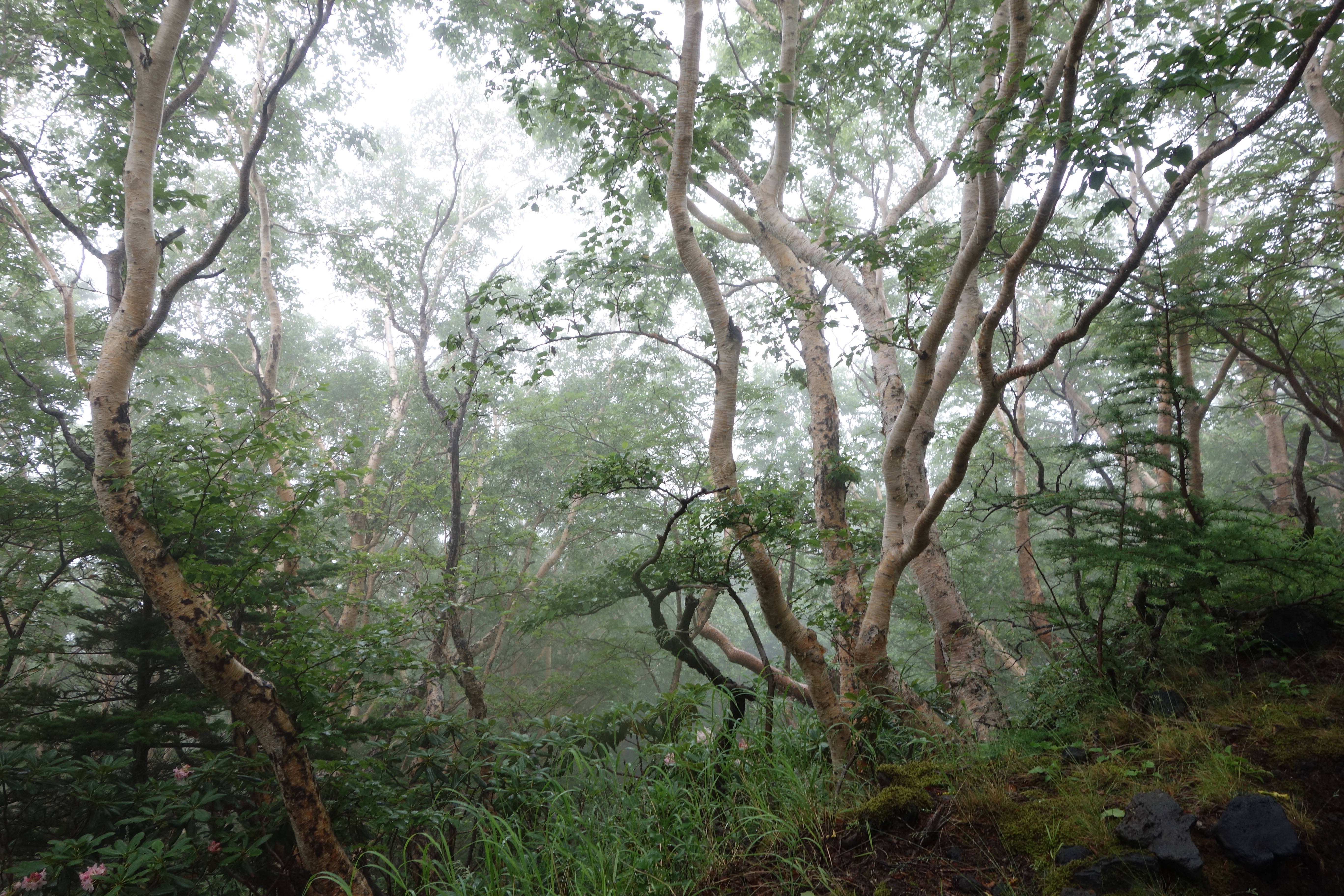 While they’re sticklers for the rules, we tend to deeply respect them and trust their vast pool of knowledge. The idea that being a park ranger is a reasonably attractive short term or long term career for Americans was met with confusion by our lecturer. Mt. Fuji sees hundreds of thousands of visitors a summer, yet the park services can only manage to muster up four rangers.
Clearly these distinct perceptions of nature are deeply ingrained in our culture, to the point that conversations must come to a halt because perspectives simply cannot be understood. We each seek some kind of control in the way we interact with nature for recreation and pleasure, and manifestations of these in our societies come with ecological and social costs. Regardless of our attitudes towards nature, both countries still face ecological crisis due to our actions, yet we continue to grapple with the delicate balance between sustainable controlled use and autonomy of our natural areas.
Works Cited