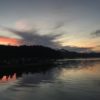
Over the final weeks of the program, we’ve seen more contemporary examples of how the volcano Mt. Fuji shapes lives. We’ve spent time at each side of the mountain, particularly noting the differences between the North, South, East and West flanks. The areas are distinct in their primary industries, susceptibility to natural disasters, and agriculture. […]
Channeling Destruction
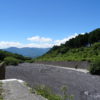
They are everywhere! I was floored by the series of immense dams we discovered on an afternoon hike into the canyons behind the village of Nemba. Rising like fortresses above the bone dry stream bed, each one stood larger and more formidable than the last. Gazing at all these towering walls of concrete packed into […]
Debris and Dams: The Science of Flows and Sabo Engineering
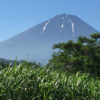
The greater Fuji region is no stranger to mudslides and yukishiro (slush flows), especially places near mountains. When we stayed in the town of Nemba by one of the five great lakes of Fuji, Lake Sai, I was awestruck by the rolling hills covered in thick forest. At first the town struck me as a […]
Red Fuji? Nope, Green Fuji
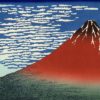
Katsushika Hokusai’s (1760-1849) Thirty-Six Views of Mount Fuji is a collection of woodblock prints that depict Japan’s iconic mountain from various angles and perspectives. In one of the more recognizable prints from the series, Fuji commands the entire piece and its steep profile is portrayed using an intense reddish color. This print, known more commonly […]
Messengers of the Gods
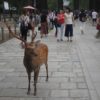
The sika deer of Japan, shinroku, are considered messengers of the gods in the Shinto Religion. They are regarded as sacred animals and are allowed to roam close to shrines and temples. Because of their religious importance, the deer have been protected by the government. Until 1937 killing one of the deer was punishable by […]