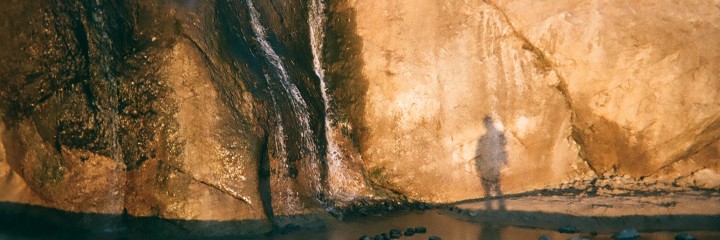
Taken from a blog post for the Lewis & Clark Environmental Studies Program Site
Friends With Benefits
I am not a scientist and I do not claim to be. Nor do I have any interest in claiming to be. What I want, more than anything, is to be friends with scientists.
This summer I was sponsored by the Lewis & Clark Miller Internship Award to work at the Oregon Water Science Center, the Portland branch of the U.S. Geological Survey. As an environmental studies major I have dabbled in science. I have taken hydrology, geology, and ecology courses and was even asked to be a teacher’s assistant for a few of these classes.
My friends outside of my major call me “sciency” and are always hearing about how I am going “out in the field” to “collect data.” It all sounds very prestigious and prodigious and I do not make any effort to inform anyone of anything otherwise.
At the USGS, it was my turn to be the non “sciency” friend and the women and men who work here adopted my old role. But this time, unlike me, they’re bona fide, Ph.D.-toting specialists.
My work at the Survey mainly consisted of two roles: videographer and helping hand. On trips to the field I took photos of people doing work (mapping stratigraphy, collecting core samples, tasting dirt) and sometimes even tried it out myself. While chewing on some particularly sandy soil my superiors may have remarked on the deposition of the sediment or speculated on whether or not it was from the quaternary or tertiary period. In the beginning I was stunned and silent and basked in their vast amounts of knowledge.
As the days passed, the number of my questions grew, the glow enveloping my supervisors faded, and I started to realize something curious. I was most amazed not by what these scientists know, but by the way that they go about knowing. Yes, these people know an extraordinary amount, but only an amount as extraordinary as one of Portland’s fine coffee connoisseurs or a gamer fanboy. Unlike most of the members of the aforementioned groups, instead of proclaiming they are absolutely sure about their discoveries, researchers question their findings and declare things softly. Scientists, or at least the good ones, gather and gather data until one day maybe they realize something looks off and start to ask questions about it. There are mistakes and missteps. Fumbles and failure. They don’t know all the answers, but most importantly, they don’t claim to. It takes luck, intuition, and courage and no, not everyone “gets accepted into the club” but supposedly anyone who really wants to can give it a shot. Insider tip: being humble and ready to accept lots of criticism sure helps.
I value the women and men that do this work but know that I do not want to be one of them. What is generally considered “good” science is cautious and careful and meticulous and not quick to judge. Yes, we need people to take on those roles in our society, but we also need people who connect the work that scientists do to the general public.
While scientists may be known for their methodical work, they are not known for their extroverted nature or conversational skills. I on the other hand am, and for that reason, my “expertise” is needed elsewhere. Public perception and interest in science is a crucial yet frequently overlooked role of the USGS. While researchers and scientists may produce provocative and important work, if the general public does not have the ability to understand and digest these findings, part of the goal of the organization remains unachieved.
So no, I do not want to be a scientist but yes, I want to achieve a scientific literacy that will allow me to translate their work into something that other non-scientists like me can understand.
And that way, we still get to be friends.
Leave a Reply