There are a number of different types of nuclear energy power plants, all with the same basic principal. The fundamental goal is to produce nuclear binding energy through fission. Heavy nucleus, from materials like uranium, create binding energy by breaking apart into smaller nuclei (McFarland et. al., 1994). Nuclear plants induce this fission in a number […]
Rethinking Japan’s Power Industry Through Resiliency
After a semester abroad in Japan and starting an independent study on nuclear power, I have been trying to connect Japan’s nuclear power industry to my concentration topic of resiliency. Resiliency, to a certain extent, focuses on the way that systems (both human and nonhuman) react to disaster or change. I think this makes the […]
Cascadia Subduction Zone Earthquake: implications of Portland hazard demographics
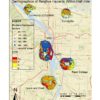
Introduction Natural phenomena, such as earthquakes, tsunamis, hurricanes, etc., are often referred to as “natural disasters.” This phrase combines two aspects of natural phenomena: hazardous physical earth processes combined with the social effects of the event on human populations. Wisner et. al., defines disaster as, “a situation involving a natural hazard which has consequences in […]
Goals Goals Goals
The first goal that I worked on was re-reading the cited articles of my proposed concentration. Do they still make sense? I started with the Benson and Craig (2014) The End of Sustainability, because it is the article that I felt had the most relevance when I wrote my proposal. Re-reading it, I remembered that […]
Demographics of Portland Hazard Zones: where NOT to be during the Big One
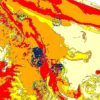
Now that I have mapped the distribution of renters around college campuses, it is time to look at the possible hazards that those communities will likely face in the event of a subduction zone earthquake. Using data collected about the geological state of Portland, a hazards map was created by the state of Oregon to determine […]
Earthquake Evictions: renting near Portland college campuses
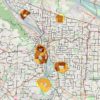
Whether or not you believe the subduction zone earthquake is going to hit the west coast, being vulnerable in a city during an earthquake is still a great concern, no matter where you are. With that in mind (and The Big One), our class is taking the time to look at communities surrounding college campuses […]
- « Previous Page
- 1
- …
- 3
- 4
- 5
- 6
- 7
- …
- 14
- Next Page »