• About
    • This Site & ENVS
    • ENVS Site Navigation
  • Communications
    • Communications Archives
      • ENVS Announcements Archive
      • ENVS Alum Email Archive
      • ENVX Newsletter Archive
    • Contact ENVS/DS SAAB Tutors
    • Instagram Feed
    • Make an Appointment
    • Nominate Your Post/Project/Site
    • Opportunities Posts
    • Poster Design
    • Share/Read/Display DS Site Post RSS Feeds
  • Major/Minor Info
    • The ENVS Major & Minor
    • ENVS Core Courses
    • ENVS 244/295/499
    • Future Courses
    • Your Student Record
    • Your Concentration
    • Your Projects
    • Your Senior Capstone
    • Related PSU/PCC Courses
  • Course Resources
    • Doing Situated Research
      • Situated Research Details
    • ENVS Course & Project Portfolio Templates
      • Course Portfolio Template
      • Project Portfolio Template
    • ENVS Records: Scoring Rubrics
    • Interdisciplinarity and Concept Mapping
    • Mapping Actors & Processes
    • Models of Environmental Communication
    • New York Times Environment Articles
    • Resources for ENVS Topics
      • ENVS Topics Glossary
    • Share Spatial Data
    • Style Reminders for ENVS Students
    • Styling Citations via Chicago Author-Date
  • Databases
    • About Student Databases
    • ENVS Students
    • ENVS Concentrations
    • Senior Capstones
    • Student Projects
    • Map of All Projects
  • Other Sites
    • ENVS LC Site ➤
      • Events
      • News
      • Symposium
    • Bridges (ENVS 295)
    • DS Multisite Home ➤
      • DS Help Site
      • DS Training Site
    • EcoTypes Site
    • Environmental Action LLC Site
    • ENVS 160 SP18 (Login Only)
    • ENVS Facebook Page
    • ENVX Site
    • Overseas Site

ENVS Program

Lewis & Clark Environmental Studies

September 16, 2014 12:24 pm

15th annual Johannah Sherrer Memorial Lecture

Johannah Sherrer Memorial Lecture

Andrew Asher
Assessment Librarian at Indiana University
“Discovering Information: Investigations Into How Students Search”

3 p.m. Friday, September 19, 2014
Gordon H. Smith Hall, Albany Quadrangle

Andrew Asher is the Assessment Librarian at Indiana University Bloomington, where he leads the libraries’ qualitative and quantitative assessment programs and conducts research on the information practices of students and faculty. Asher’s most recent projects have examined how “discovery” search tools influence undergraduates’ research processes, how students locate, evaluate, and utilize information on research assignments, and how university researchers manage and preserve their research data.

Prior to joining Indiana University, Asher was the Digital Initiatives Coordinator and Scholarly Communications Officer at Bucknell University, where he managed the library’s open access and scholarly communication initiatives, including the passage of an institutional open access mandate.

From 2008-2010, Asher was the Lead Research Anthropologist for the Ethnographic Research in Illinois Academic Libraries (ERIAL) project, a two-year study of student research processes at five Illinois universities and the largest ethnographic study of libraries undertaken to date.

An ethnographer and anthropologist by vocation, Asher holds a PhD in sociocultural anthropology from the University of Illinois at Urbana-Champaign, and has written and presented widely on using ethnography in academic libraries, including the co-edited volume, College Libraries and Student Cultures (ALA Editions, 2012). He also currently writing a methodological handbook for librarians on developing and implementing anthropological and other qualitative research methods in libraries.

In addition to his work in academic libraries, Asher conducts research on the meanings and practices of citizenship in Poland, Germany and the European Union.

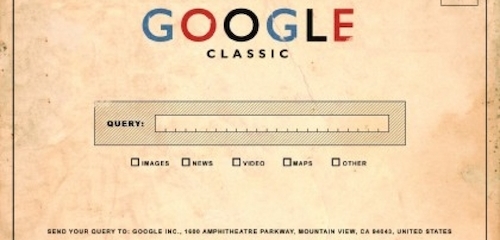
In today’s networked information environment, effectively searching for and locating information are critical digital literacy skills. Unfortunately, while university students have a variety of powerful search tools at their disposal, they often lack a sufficient understanding how these tools work, as well as their strengths and limitations. Using qualitative and quantitative data collected from students at several universities, this presentation will examine the practices and processes of students as they locate information across a variety of search platforms, and will critically evaluate the potential for bias to be introduced into these processes. This presentation will describe how students’ expectations engender search behaviors that privilege the role of the search tool itself in evaluating information quality, making students vulnerable to biases embedded within search systems. Working under the assumption that a truly “neutral” search system is a logical and technical impossibility, this presentation will then examine the types of social values tacitly embedded within search tools, and will evaluate how these values affect the experience of student researchers and how they may be subtlety structuring students’ knowledge acquisition.

Related

Filed Under: On-campus, Opportunities

Opportunities Post Categories

  • Opportunities (520)
    • Education Opportunities (205)
    • Funding Opportunities (54)
    • Internship Opportunities (91)
    • Job Opportunities (114)
    • Off-campus (245)
    • On-campus (99)
    • Study Abroad Opportunities (25)
    • Volunteer Opportunities (53)
  • Post (23)

Recent ENVS Posts

Who is she?: Gaia and other Big Words
16th May 18By KT Kelly
Prioritization of Conservation: Intersections of the Peruvian Amazon and the Andean Mountain Range
8th May 18By Jon Hosch
Capstone 3
5th May 18By Alannah Balfour
Capstone #2
5th May 18By Alannah Balfour
Capstone #1
5th May 18By Alannah Balfour
Kokuritsukouen: The Past and Future of Japan’s National Parks
4th May 18By Rachel Aragaki
Investigating Climate Change: Understanding the Effects of Increasing Sea Surface Temperature (SST) on Arctic Fish Populations
3rd May 18By Marissa Weileder
Analyzing Anthropogenic Influence: A Look into How Humans Have Shaped the Perceptions of Climate Change
3rd May 18By Marissa Weileder
Freshwater & Fish: A Case Study of the Effects of Melting Permafrost on Arctic Freshwater Species
3rd May 18By Marissa Weileder
If You Die in the Game, You Die in Real Life: Video Game Environments and Disaster Preparedness
3rd May 18By Rachel Aragaki
Knickpoint Retreat and Stream Channel Morphology in the Columbia River Gorge
3rd May 18By Shawn Bolker
Barriers to Justice: Environmental Litigation in Hawaii
3rd May 18By Kassie Kometani
Satoyama Services: Historical versus Modern Roles of Japan’s Hybridized Landscapes
3rd May 18By Rachel Aragaki
Development Indicators for Fostering Development in Cambodia
3rd May 18By Nick Sievers
Building Flood Resilience in Urban Australia
3rd May 18By Curtis Hall
Choosing Direct Trade: Combating Vulnerability of Smallholding Coffee Farmers
3rd May 18By Evan Howell
Home-Based Water Recycling in Urban Australia
3rd May 18By Curtis Hall
The Sinking of Christchurch: Increased Flood Vulnerability after the 2011 Christchurch Earthquake
3rd May 18By Curtis Hall
Implications of a Growing Middle Class and Increased Consumption Patterns in India
3rd May 18By Nick Sievers
Alleviating Marginalization with Your Wallet: Investigating Fair Trade Coffee Consumer Behavior in Portland, Oregon
3rd May 18By Evan Howell
Religious Pilgrimage and Tourism on Mt. Fuji, Japan
3rd May 18By Shawn Bolker
Situating National Environmental Policies Within a Global Market (Proposal 3)
3rd May 18By Jonas Miller-Stockie
Using Trees to Alleviate the Coffee Crisis: Investigating Farmers’ Knowledge of Ecosystem Services in Veracruz, Mexico
3rd May 18By Evan Howell
Energy Security in South Korea: Methods of Reducing Foreign Fossil-Fuel Dependency
3rd May 18By Nick Sievers
Capstone Proposal #3: The Role Of Environmental Lobbying Firms Towards Progress In Environmental Policy In the U.S.
3rd May 18By Sabrina Cerquera
How the American People Conserve Energy: Can they Do Better?
3rd May 18By Jack Kamysz
Mediation of Climate Change in the U.S.
3rd May 18By Jack Kamysz
Assessing the Impacts of Waterfall Tourism in the Columbia River Gorge
3rd May 18By Shawn Bolker
Violence in Colombia: Illegal Gold Mining Leaves Indigenous Colombians at Risk
3rd May 18By Grace Boyd
The Interactions between hard and soft law in the Comprehensive Nuclear Test Ban Treaty
3rd May 18By Jack Kamysz

Digital Scholarship Multisite © 2018 · Lewis & Clark College · Environmental Studies Program · Log in