Greetings from the Cary Institute!
We are pleased to offer our Research Experiences for Undergraduates (REU) program for the 29th year in 2016. The theme of the program is Translational Ecology for Undergraduates. See: www.caryinstitute.org/reu.html.
Alan Berkowitz, Ph.D.
Head of Education and Cary REU Program Director
Translational Ecology: Independent Research in Ecology for Undergraduates
Cary Institute of Ecosystem Studies, Millbrook, New York
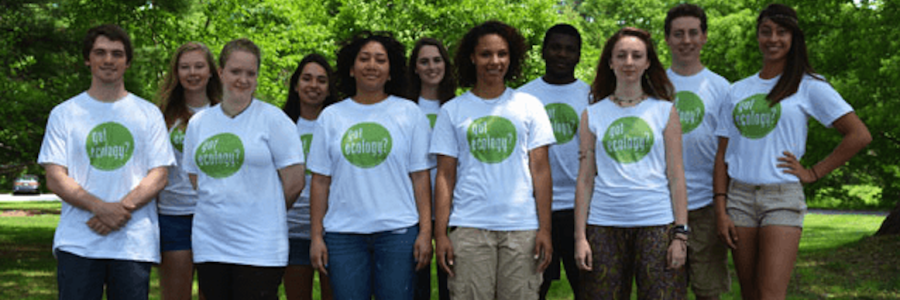
Ten undergraduate students will join the Cary Institute research community in 2016 to:
- Be a part of an exciting research community, working closely with leading ecologists
- Design and complete a research project using state-of-the-art facilities
- Exchange ideas with a diverse group of students and scientists
- Learn how to translate ecology for policy, management and the public
- Publish results in our online Cary Institute Undergraduate Research Report
- Explore how ecological research impacts society
The program emphasizes the community nature of the scientific enterprise, fosters reflection and builds self confidence and skills. To complement their mentored research, students have many chances to interact, give and receive feedback and support, and participate in a rich assortment of enrichment activities, workshops and field trips around the theme of translational ecology.
Dates: May 23 to August 12, 2016 (12 weeks)
Eligibility: Undergraduate freshmen, sophomores, juniors or first semester seniors. Must be citizens or permanent residents of the U.S. or its possessions.
Stipend: $6,300 stipend, plus a $900 food allowance and free housing in Bacon Flats Lodge.
Other support: Assistance is available for travel to and from the program as well.
Projects for 2016:
- Hudson River habitats in a changing world
- Drivers of mammal patch occupancy in a temperate northeastern forest
- Ecosystem regulation of mosquitoes and disease risk
- What, if anything, controls tick populations and tick-borne disease?
- Lakes in a changing global environment
- The effects of contaminants on stream ecosystem structure and function
- Ecological patterns of an infectious fungal pathogen of amphibians
- Songbird behavioral ecology: How do veeries use their songs to communicate?
- Eavesdropping behavior and social information use in songbirds
- Investigating people’s ideas about ecosystems
- Identifying indirect effects and interactions of invasive forest pests
To apply: See our website at: www.caryinstitute.org/reu.html. Online application only.
Applications must be submitted by midnight, Friday February 12, 2016.
For more information, contact:
Dr. Alan R. Berkowitz
Cary Institute of Ecosystem Studies
PO Box AB, 2801 Sharon Turnpike, Millbrook, NY 12545
Fax: (845) 677-5976
E-mail: caryreu@caryinstitute.org